Building Mangrove restoration community in Indonesia
Location: Samarinda, Indonesia
Dates: 15th – 18th October 2025
Goal: To build a community of practice of mangrove restoration experts drawn from community groups, NGOs and other key institutions in Samarinda, Indonesia
Partners
Planet Urgence
yayasan Planet Urgensi Indonesia
Jonas Philantropy


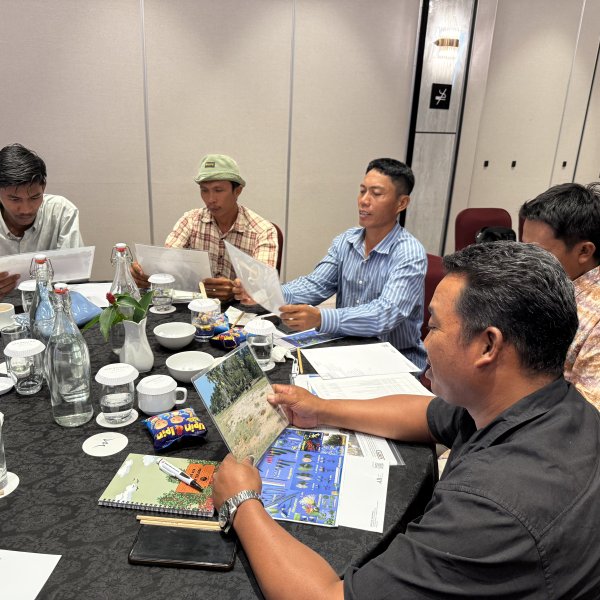
Presentations of shared lessons learned in mangrove restoration and the key challenges

Theoretical and practical training for restoration site research based on the CBERM approach

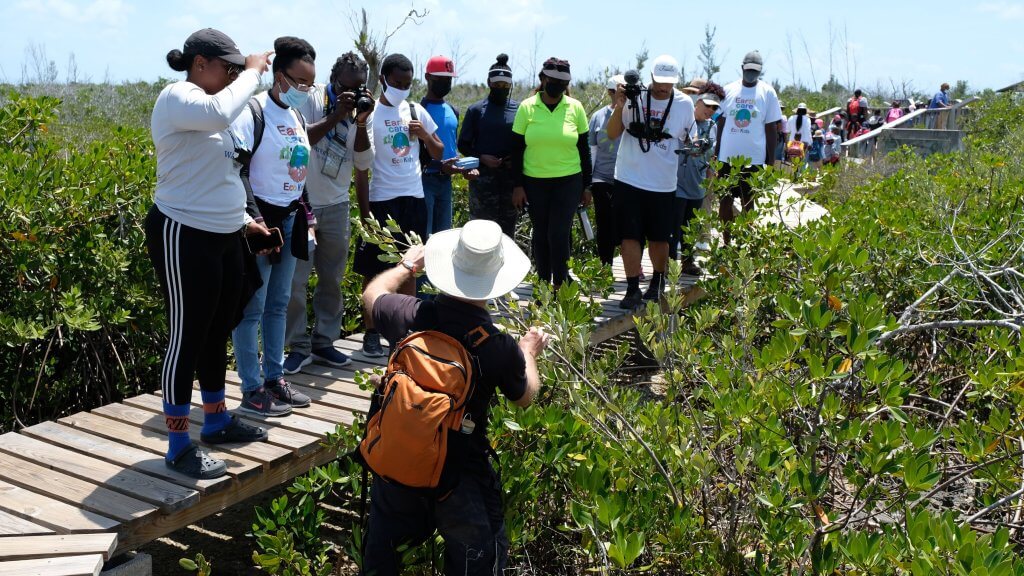
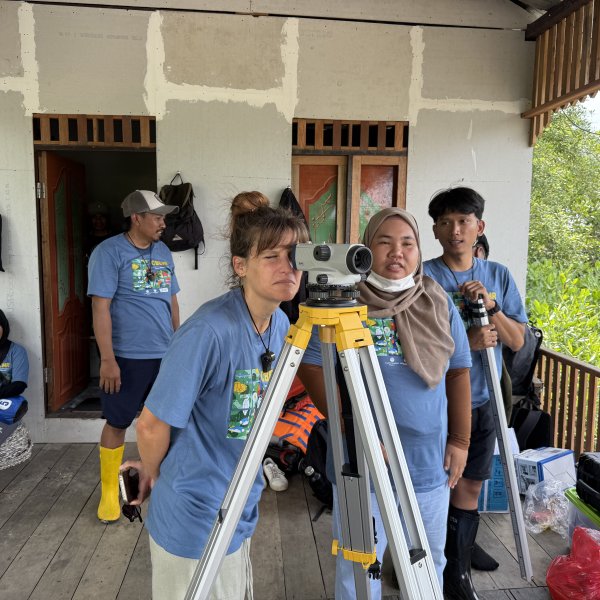
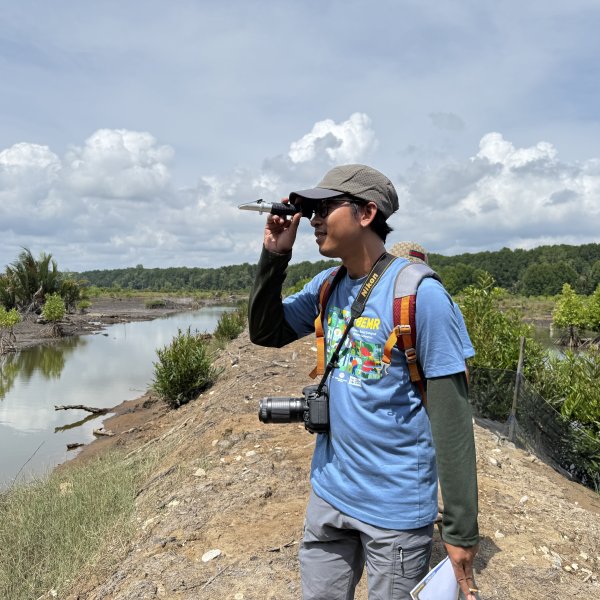
Participants conducted on-site assessments to understand how ecological and social factors shape restoration success
What we did
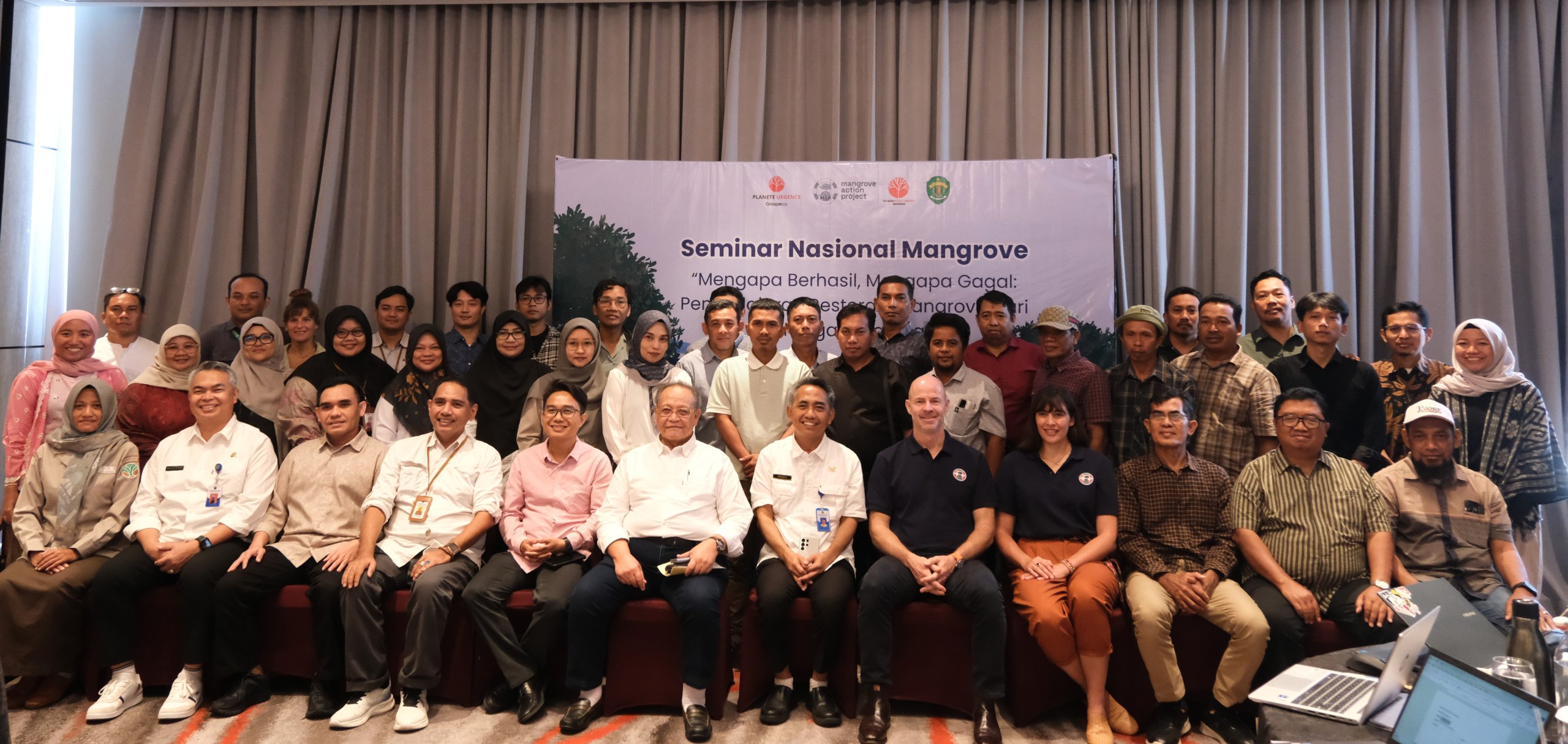
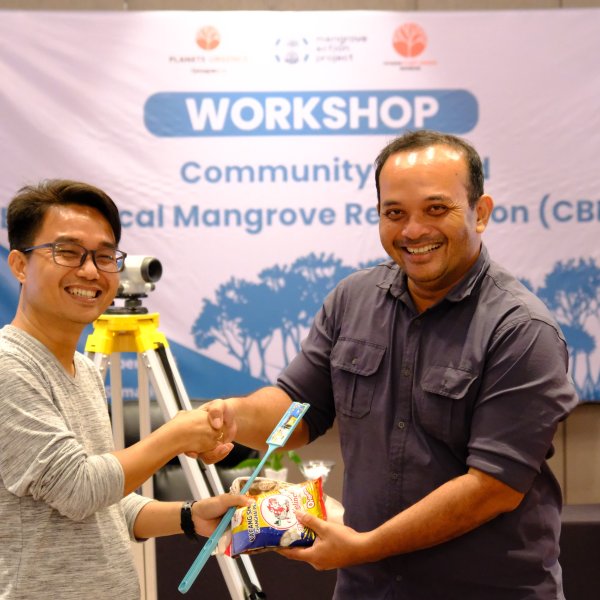
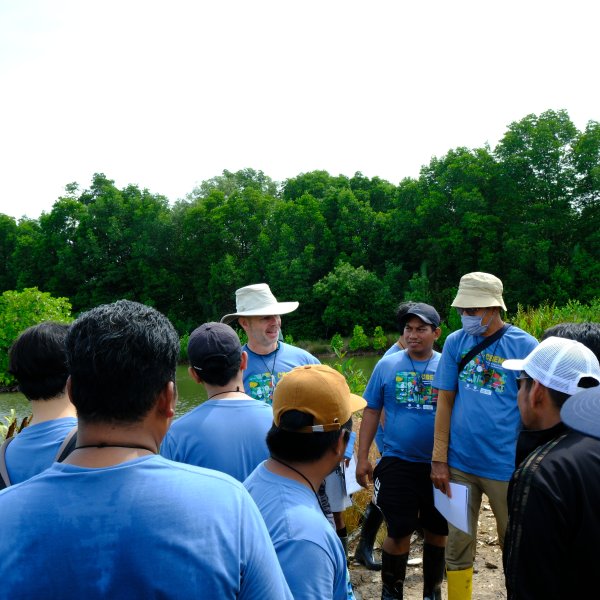
Planète Urgence works in Indonesia through its local foundation, Yayasan Planet Urgensi Indonesia (YPUI), on projects focused on restoring mangrove and forest ecosystems and conserving biodiversity, particularly in West Java and East Kalimantan. Their work includes reforestation, community engagement on climate change adaptation, and increasing environmental awareness. In partnership with Mangrove Action Project, a comprehensive training workshop on Community-Based Ecological Mangrove Restoration (CBEMR) was organized. The training included a four-day theoretical and field workshop for 20 participants from government agencies, NGOs, CSOs, and Fish farmers.
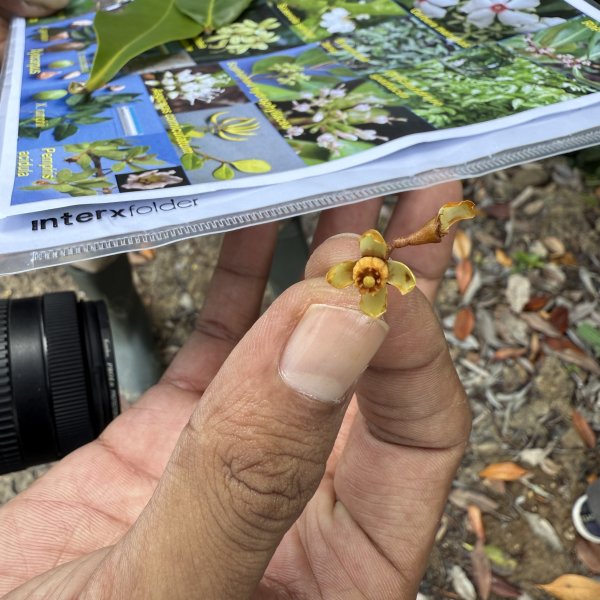
The first two days of the workshop featured photo-based presentations, small-group discussions, interactive exercises, and videos to understand mangrove biology and ecology. Also include guest lectures from Pokja Pesisr, M4CR, GMA Chapter of learned lessons and key challenges in Mangrove restoration at local, national, and global levels. On the third day, it was carried out a field trip to the Mahakam Delta to understand how ecological and social factors shape restoration success.
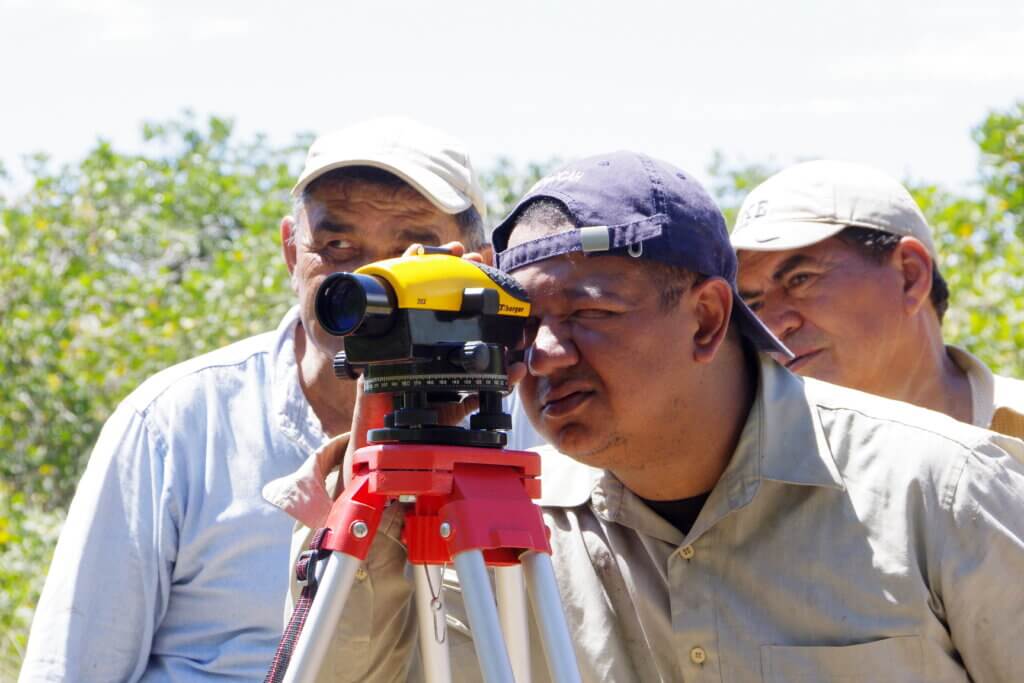
In the field, participants learned the use of autolevel to measure ground elevation relative to sea level and discussed differences between natural and planted mangroves. The day concluded with an analysis of social research and the importance of community involvement in restoration projects. Last day focused on mapping, implementation, and monitoring, key components of the CBERM process. Participants acknowledged challenges in convincing communities and pond owners of the value of restoration. By integrating scientific knowledge with community engagement, the training helped participants design practical, site-specific restoration strategies.
“Thank you MAP, it gave me a new perspective on ecologically based mangrove restoration”- Anonymous participant
“I hope this training provides a new perspective on ecologically-based restoration for all institutions and governments with mangrove restoration programs. Mangrove ecosystem restoration is not about numbers, but about tangible benefits.” - Anonymous participant
“Our group understands that restoration is not about the number of trees planted but ratherunderstanding the ecology”- Anonymous participant
Interested in working with us?
Get in touch with us at dominic@mangroveactionproject.org
Related work
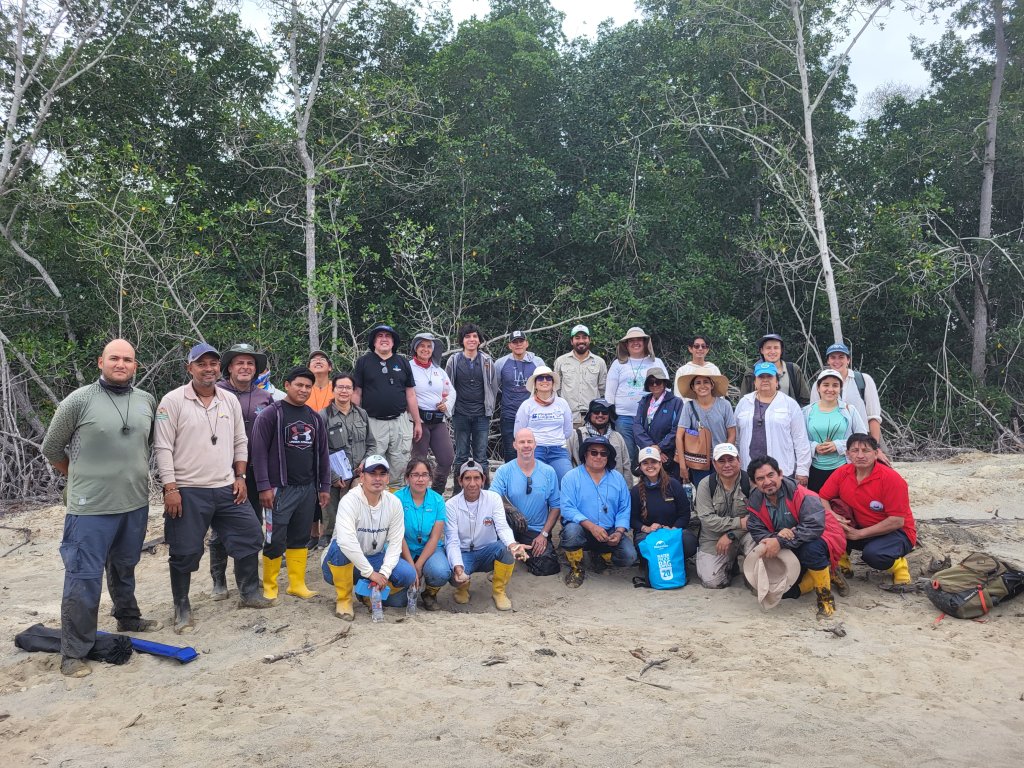
- Read more about Enhancing Community-Led Restoration in the Gulf of Guayaquil
Enhancing Community-Led Restoration in the Gulf of Guayaquil
Location: Guayaquil, Ecuador Date: August 2023 Goal: Train participants in the CBEMR approach to enhance mangrove restoration efforts in Guayaquil…
- Read more about From Theory to Practice: Enhancing Restoration through CBEMR
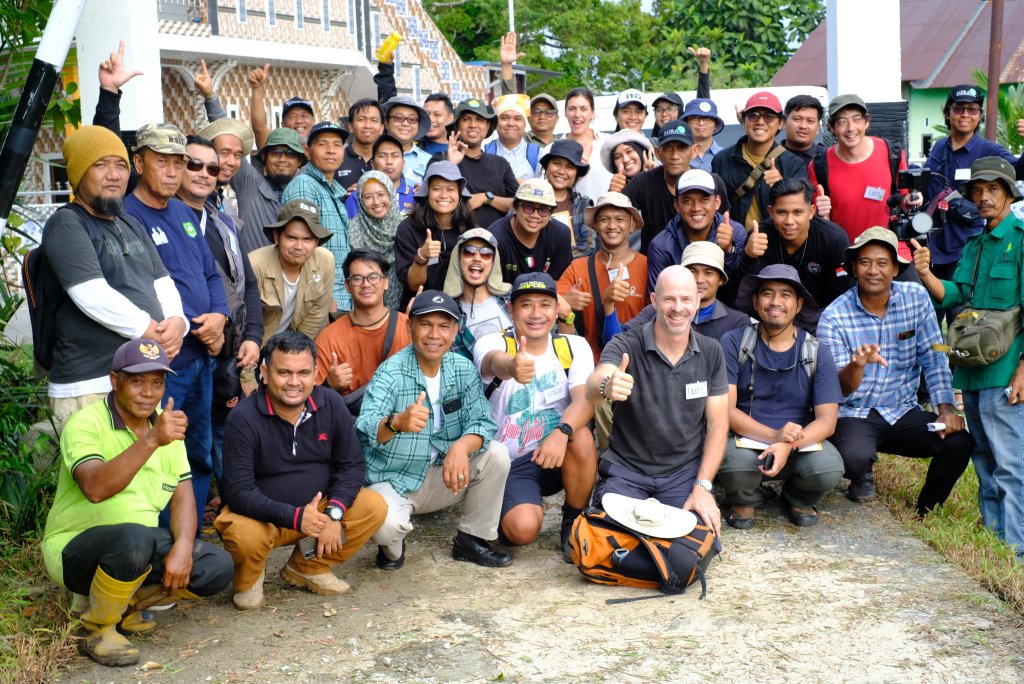
From Theory to Practice: Enhancing Restoration through CBEMR
Location: Bengkalis Island, Indonesia Timeline: October 2023 Goal: The training aimed to enhance participants’ knowledge and skills in Community-Based Ecological…
- Read more about Restoring vital ecosystems in Kenya
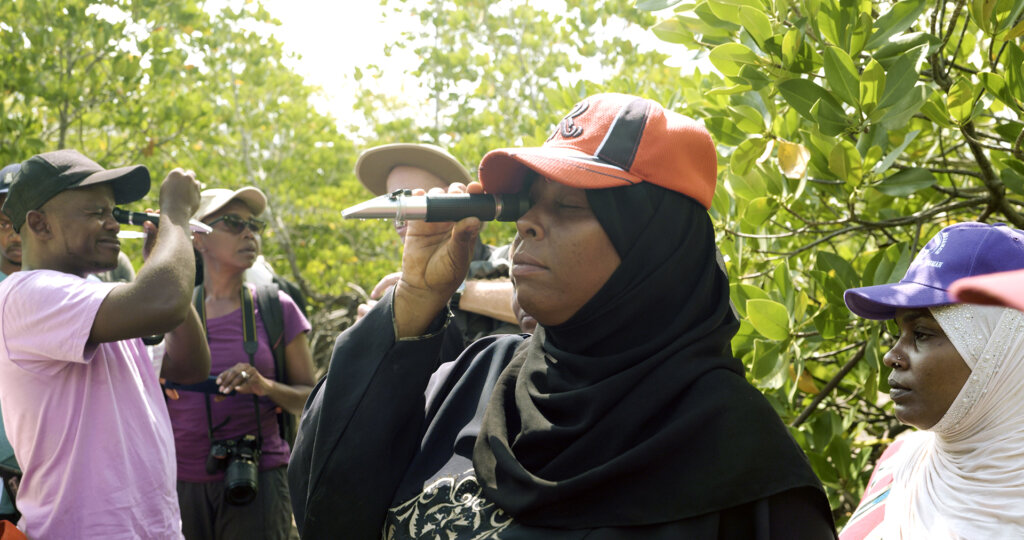
Restoring vital ecosystems in Kenya
Location: Kenya Timeline: 28th Feb - 21st March 2022 Goal: To share the knowledge and tools for restoring mangroves: a vital…
- Read more about Delivering mangrove restoration best practices in the Bahamas
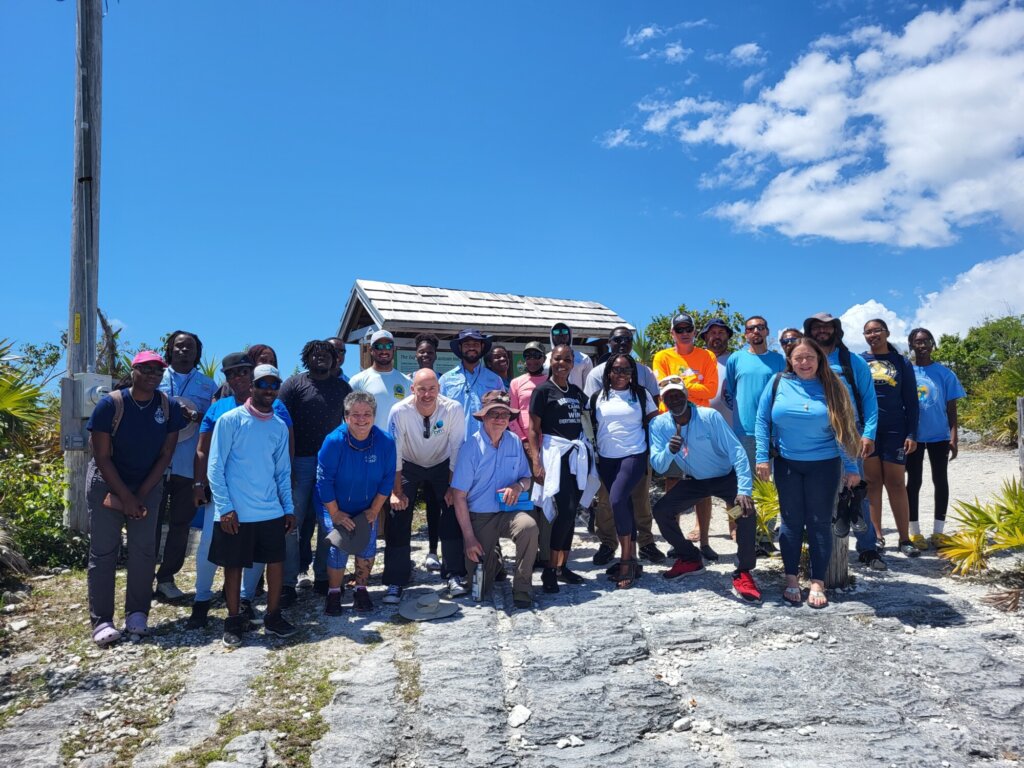
Delivering mangrove restoration best practices in the Bahamas
Location: Bahamas Timeline: March - April 2023 Goal: To support local mangroves restoration efforts and implement best practices for future…
- Read more about Fostering a sustainable network in Honduras
Fostering a sustainable network in Honduras
Location: Honduras Timeline: February 2015 Goal: To work collaboratively with local officials to persuade local villagers and village leaders to reduce…
- Read more about Empowering Communities for Mangrove Restoration
Empowering Communities for Mangrove Restoration
Location: Si Kao, Trang, Thailand Date: January 2013 Goal: Two local communities had a shared goal to convert and restore…
- Read more about Restoring Hope: CBEMR’s Role in Post-Hurricane Recovery
Restoring Hope: CBEMR’s Role in Post-Hurricane Recovery
Location: Bahamas Timeline: April 2022 Goal: The workshop aimed to enhance participants' skills and knowledge in mangrove management and restoration…