Facing Mangrove Degradation through CBEMR approach
Location: Hmawbi, Yangon, Myanmar.
Timeline: 26th Aug to 4th September 2019
Goal: To equip local communities with the knowledge and skills needed for effective, community-led mangrove restoration through CBEMR (Community-Based Ecological Mangrove Restoration) training, to address widespread mangrove degradation in Rakhine State, Myanmar
Partners
DANIDA

Mangrove Service Network
Myanmar Forest Department

Training covered mangrove ecology, hydrology, species zonation, and community-based planning

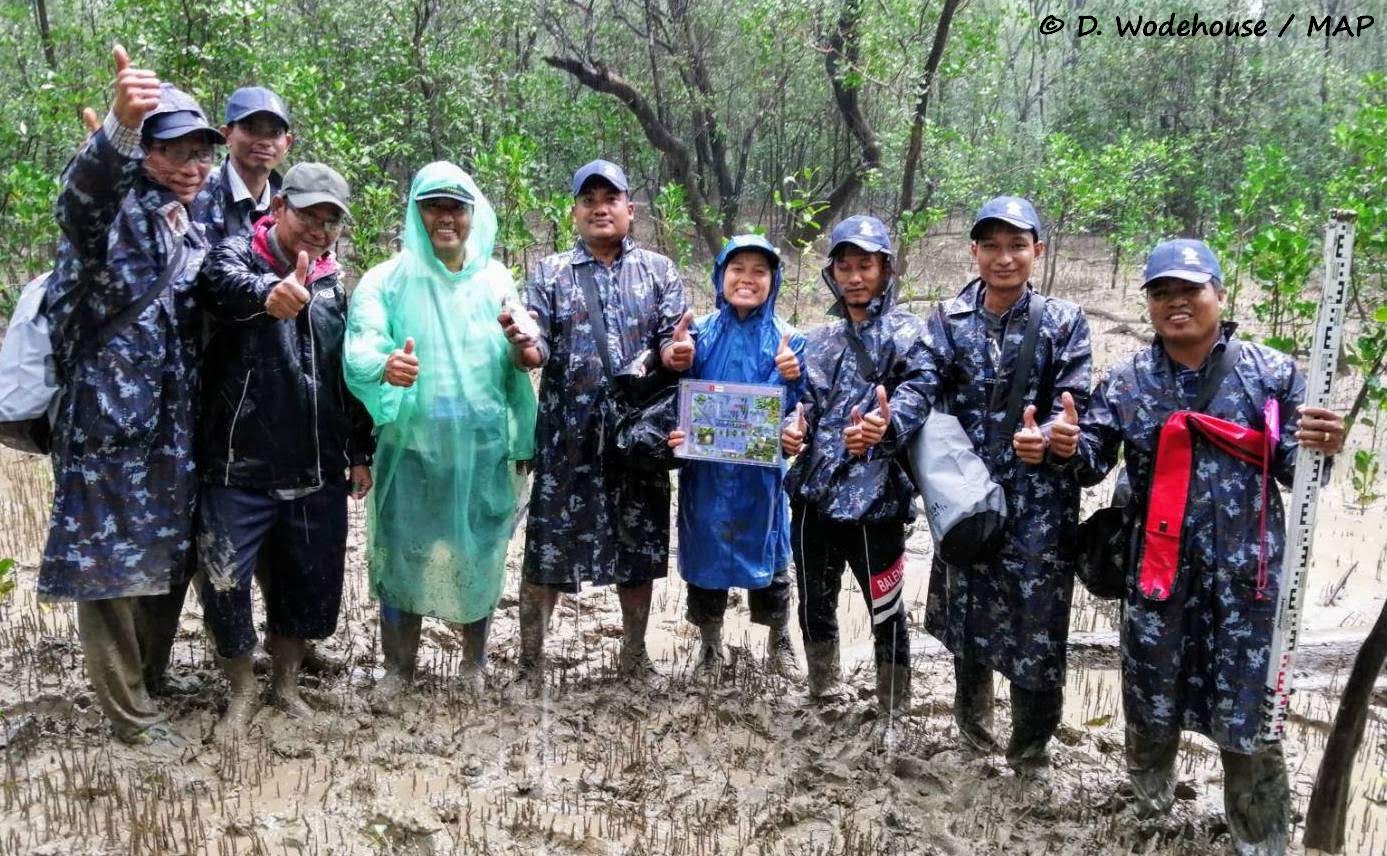
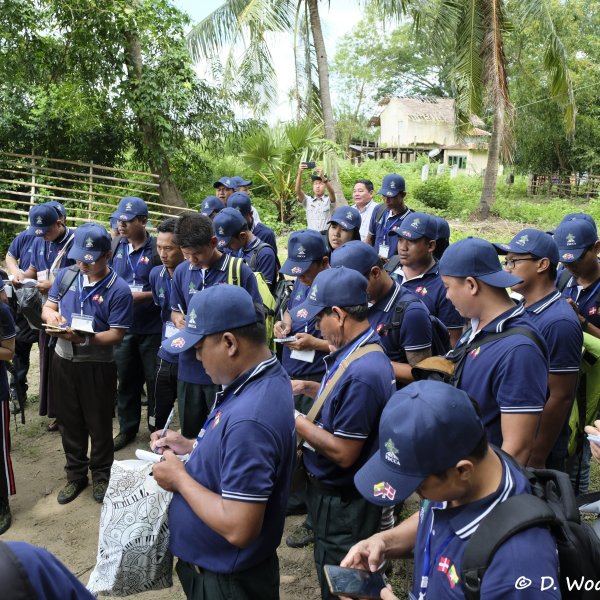
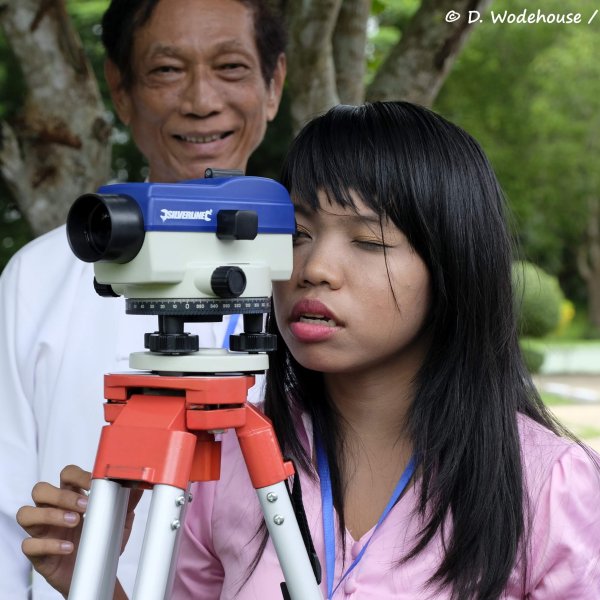
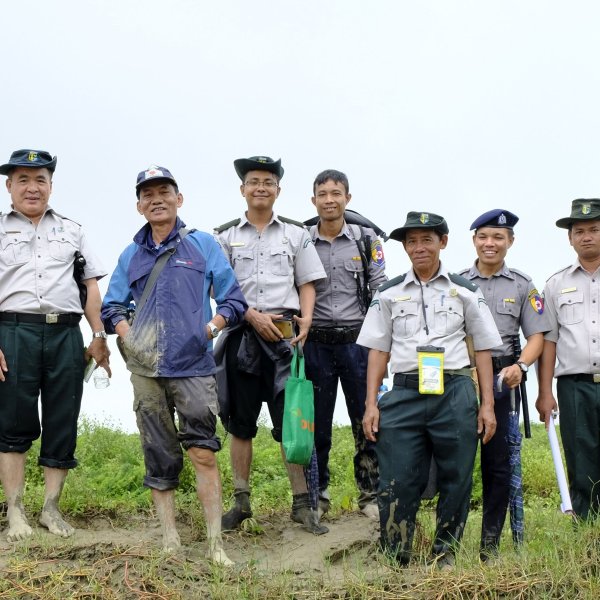
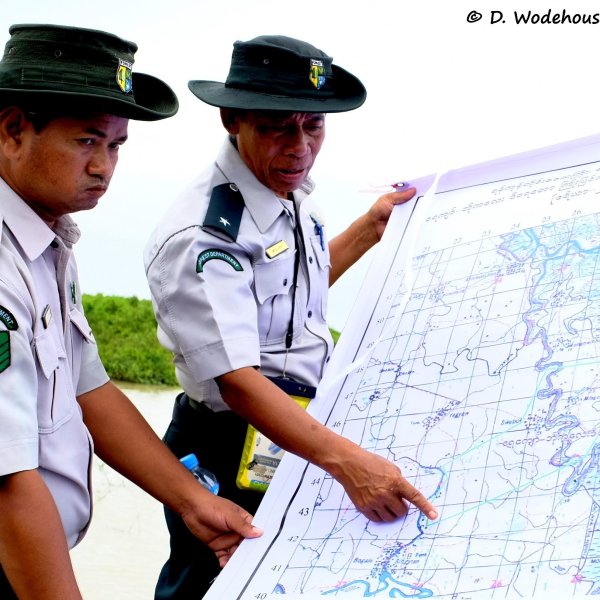
Practical fieldwork, including transects and site assessments, strengthened participants’ technical skills and local engagement

The CBEMR approach demonstrated a scalable, low-cost restoration model that supports long-term ecosystem recovery and community resilience
What we did
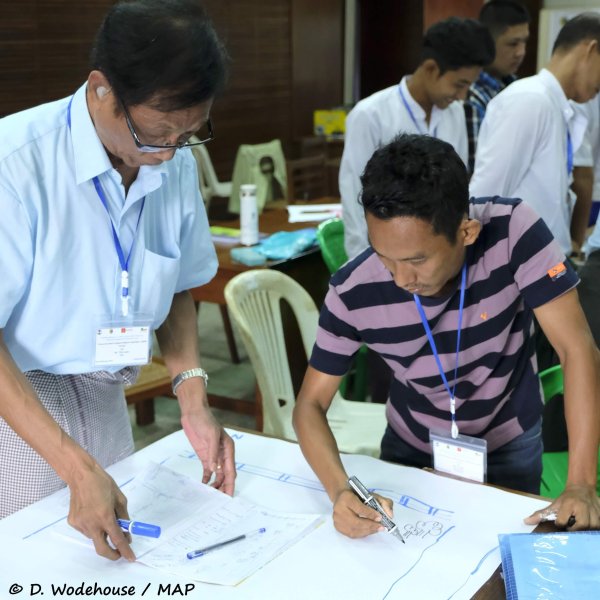
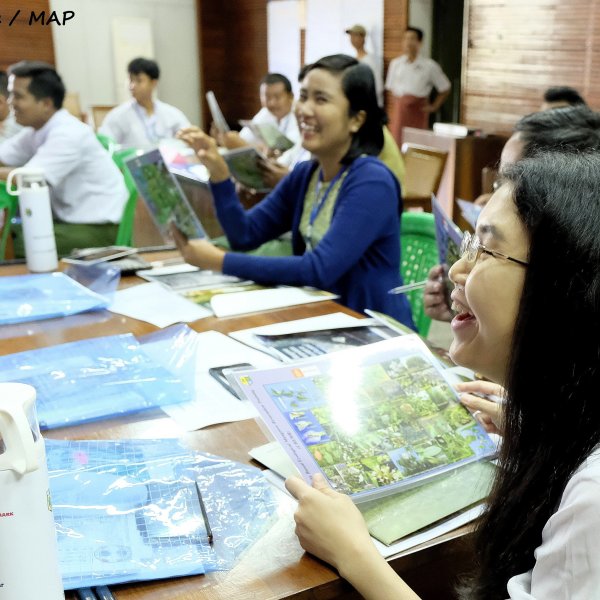
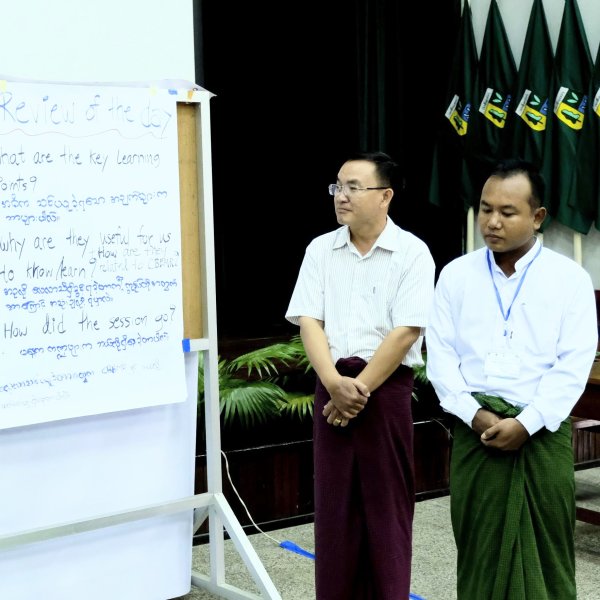
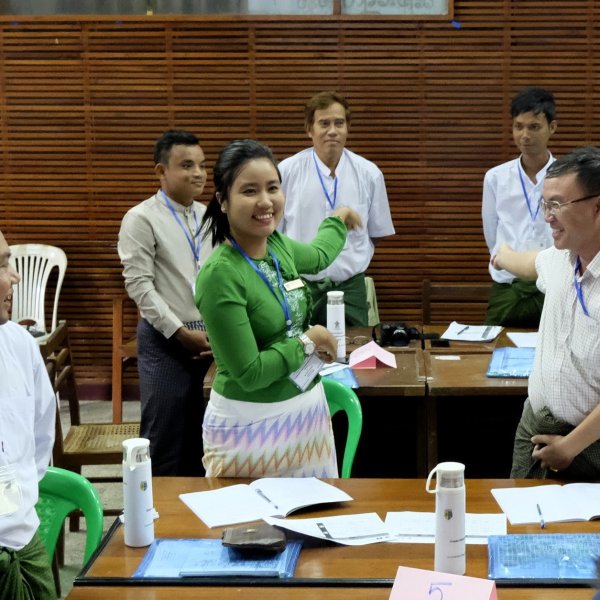
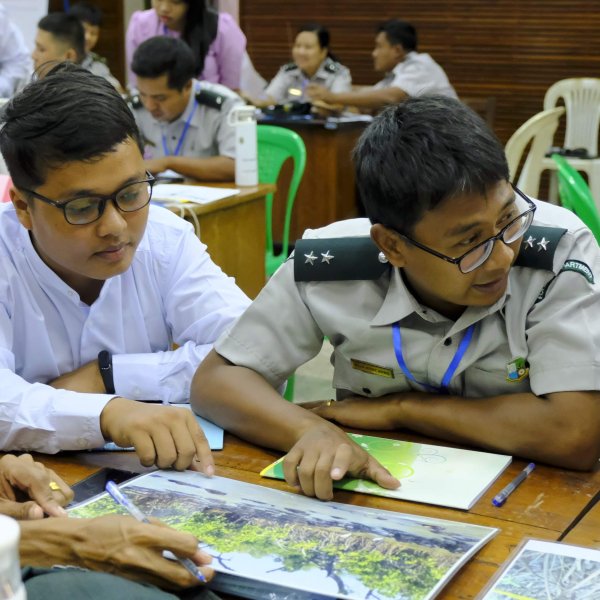
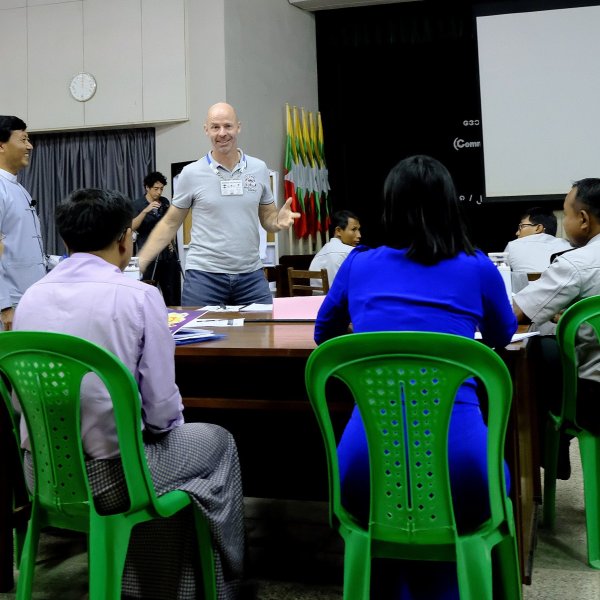
On behalf of DANIDA, the overseas funding agency of the government of Denmark, the Mangrove Action Project (MAP) and Mangrove Service Network (MSN) undertook a two-part training on Community-Based Ecological Mangrove Restoration (CBEMR) for 39 participants at the Central Forestry Development Training Centre in Hmawbi, Yangon, Myanmar. This involved a five-day theory workshop, followed by three days of practical field training in Myeik, southern Myanmar. The participants were mainly forest officers but also NGO staff and academics from two universities. The training was part of the capacity building element of DANIDA’s ‘Climate Adaptation in Coastal Communities of Myanmar (2018-2023)’ program.
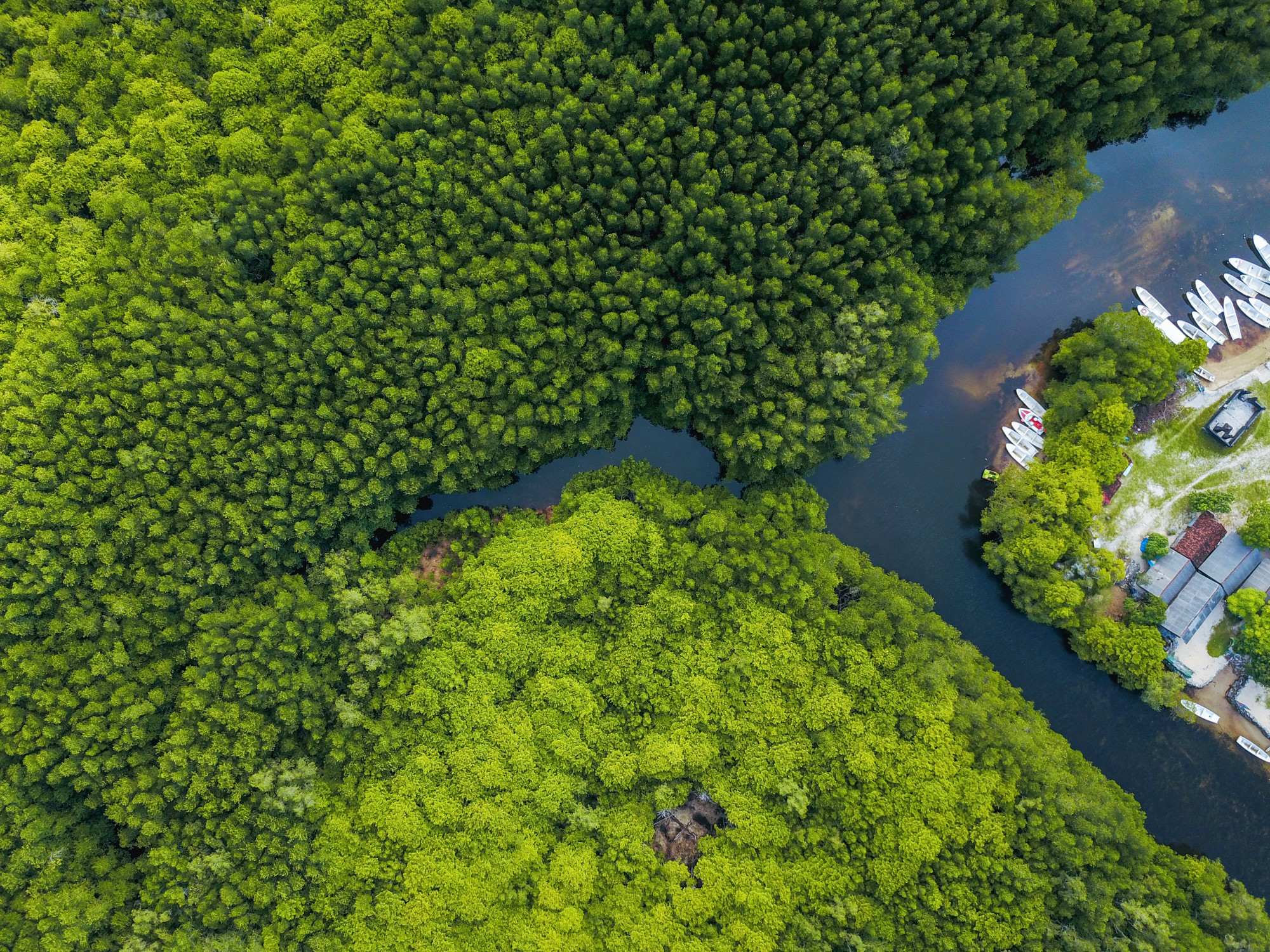
The Ecological Mangrove Restoration training workshop was conducted to address widespread mangrove degradation in Rakhine State, Myanmar, and to introduce CBEMR as a science-based alternative to traditional planting approaches. Through presentations, discussions, and participatory learning, the training provided a comprehensive overview of mangrove ecosystem values, causes of degradation, and the ecological principles underpinning successful restoration, with a strong focus on understanding hydrology, species ecology, and site history.
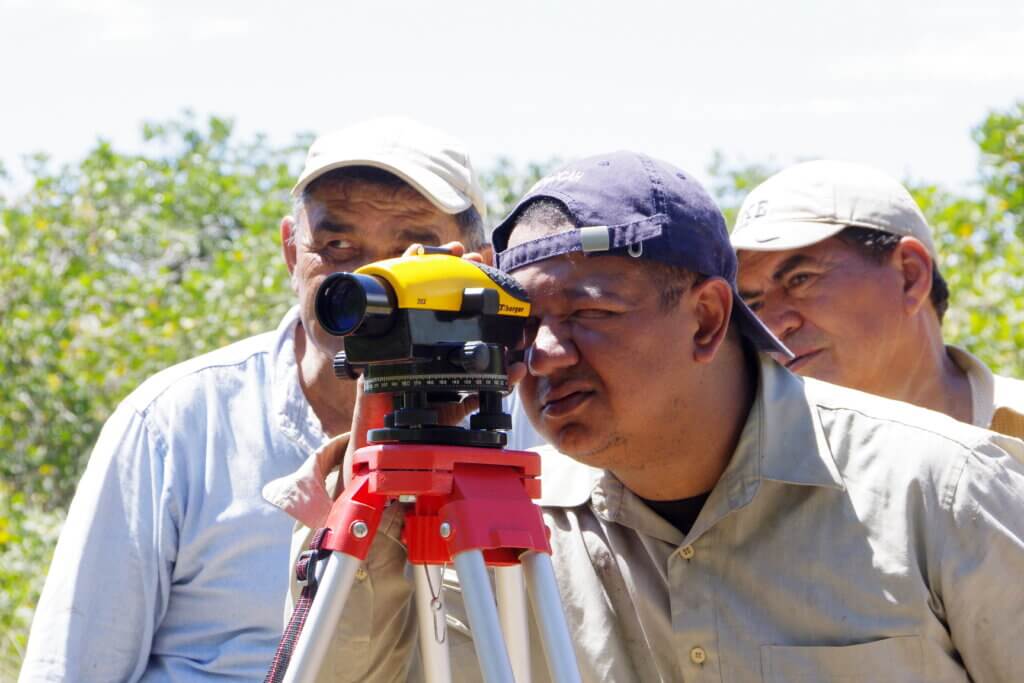
Throughout the workshop, participants engaged in practical field activities, including site assessments, transect surveys, hydrological observations, and mapping exercises, which were consistently identified as the most valuable components of the training. Case studies from Thailand illustrated real-world CBEMR applications and reinforced the feasibility of natural regeneration when site conditions are properly restored. Overall, the workshop concluded that CBEMR offers a cost-effective, ecologically sound, and community-driven approach to mangrove restoration. Participants demonstrated improved knowledge, skills, and attitudes toward mangrove conservation, highlighting the training’s success and the need to expand similar capacity-building initiatives to other mangrove regions in Myanmar.
Interested in working with us?
Get in touch with us at dominic@mangroveactionproject.org
Related work
- Read more about Enhancing Community-Led Restoration in the Gulf of Guayaquil
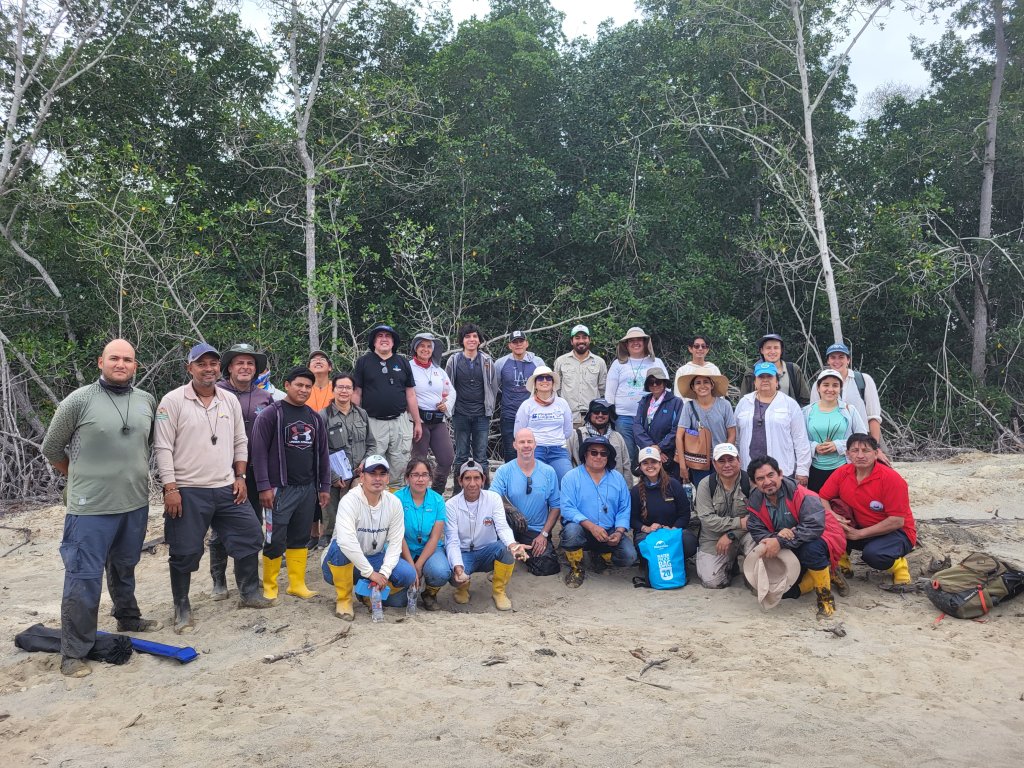
Enhancing Community-Led Restoration in the Gulf of Guayaquil
Location: Guayaquil, Ecuador Date: August 2023 Goal: Train participants in the CBEMR approach to enhance mangrove restoration efforts in Guayaquil…
- Read more about From Theory to Practice: Enhancing Restoration through CBEMR
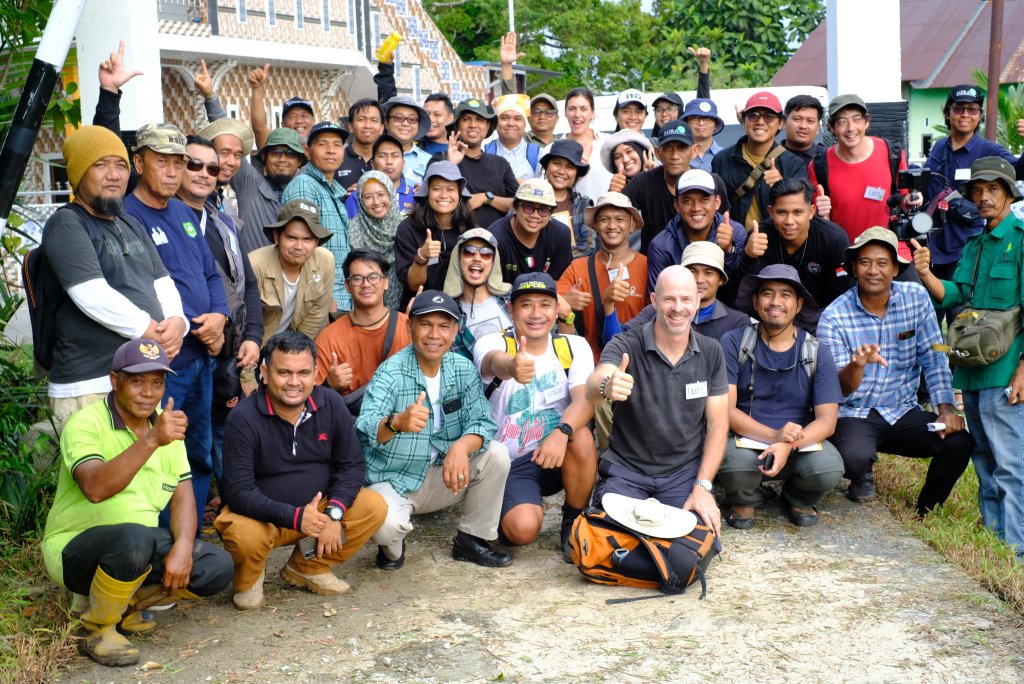
From Theory to Practice: Enhancing Restoration through CBEMR
Location: Bengkalis Island, Indonesia Timeline: October 2023 Goal: The training aimed to enhance participants’ knowledge and skills in Community-Based Ecological…
- Read more about Restoring vital ecosystems in Kenya
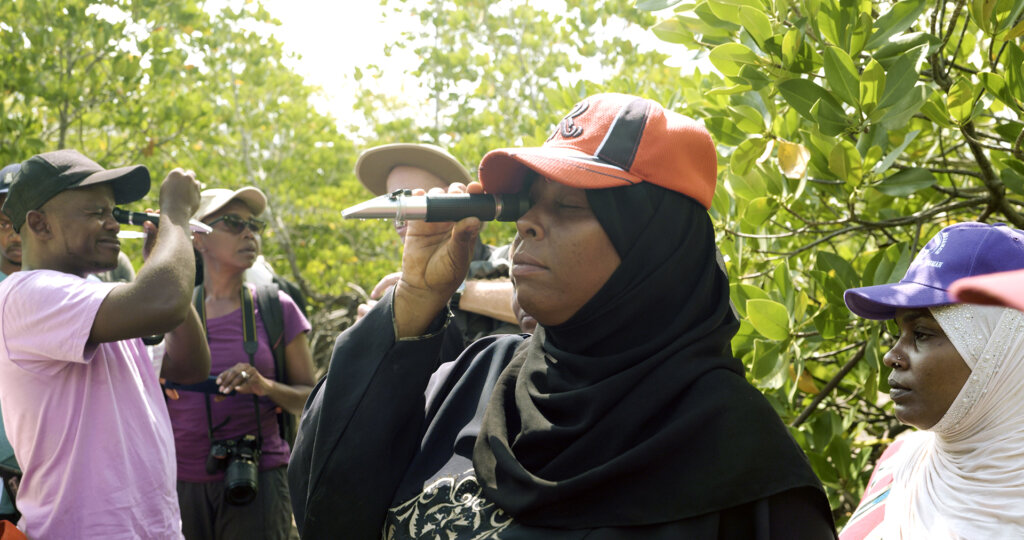
Restoring vital ecosystems in Kenya
Location: Kenya Timeline: 28th Feb - 21st March 2022 Goal: To share the knowledge and tools for restoring mangroves: a vital…
- Read more about Delivering mangrove restoration best practices in the Bahamas
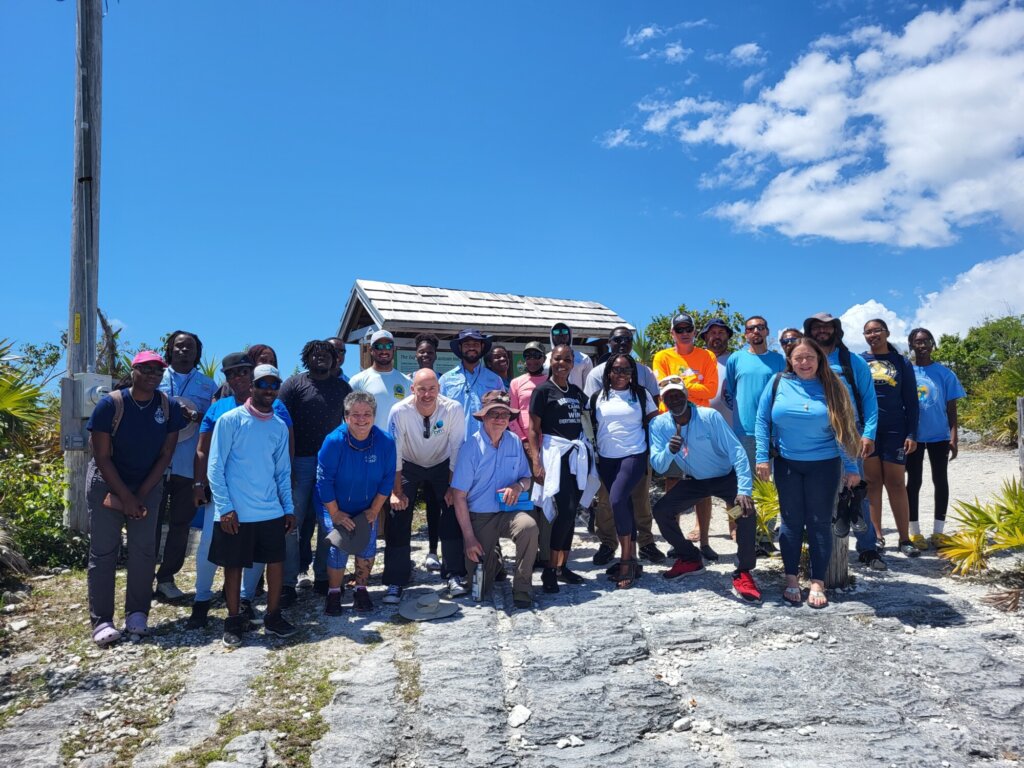
Delivering mangrove restoration best practices in the Bahamas
Location: Bahamas Timeline: March - April 2023 Goal: To support local mangroves restoration efforts and implement best practices for future…
- Read more about Fostering a sustainable network in Honduras
Fostering a sustainable network in Honduras
Location: Honduras Timeline: February 2015 Goal: To work collaboratively with local officials to persuade local villagers and village leaders to reduce…
- Read more about Empowering Communities for Mangrove Restoration
Empowering Communities for Mangrove Restoration
Location: Si Kao, Trang, Thailand Date: January 2013 Goal: Two local communities had a shared goal to convert and restore…
- Read more about Restoring Hope: CBEMR’s Role in Post-Hurricane Recovery
Restoring Hope: CBEMR’s Role in Post-Hurricane Recovery
Location: Bahamas Timeline: April 2022 Goal: The workshop aimed to enhance participants' skills and knowledge in mangrove management and restoration…