Working Together for Mangrove Restoration in Kenya
Location: Mombasa, Kenya
Dates: 11th – 15th September 2023
Goal: The workshop aimed to strengthen participants’ technical capacity in mangrove conservation and restoration by updating their knowledge base, introducing best-practice CBEMR approaches, promoting knowledge exchange, and enhancing coordination and communication among government agencies, academics, and conservation partners to support effective, long-term mangrove management in Kenya.
Partners
WWF

Federal Ministry for Economic Cooperation and Development
Kenya Forest department
IUCN

Wetlands International
Save Our Mangroves Now!

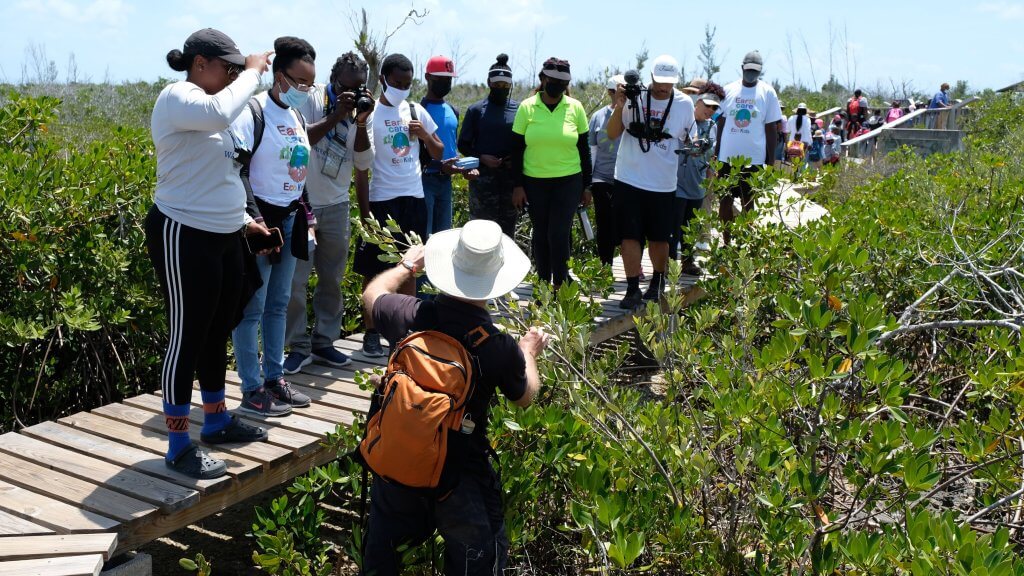
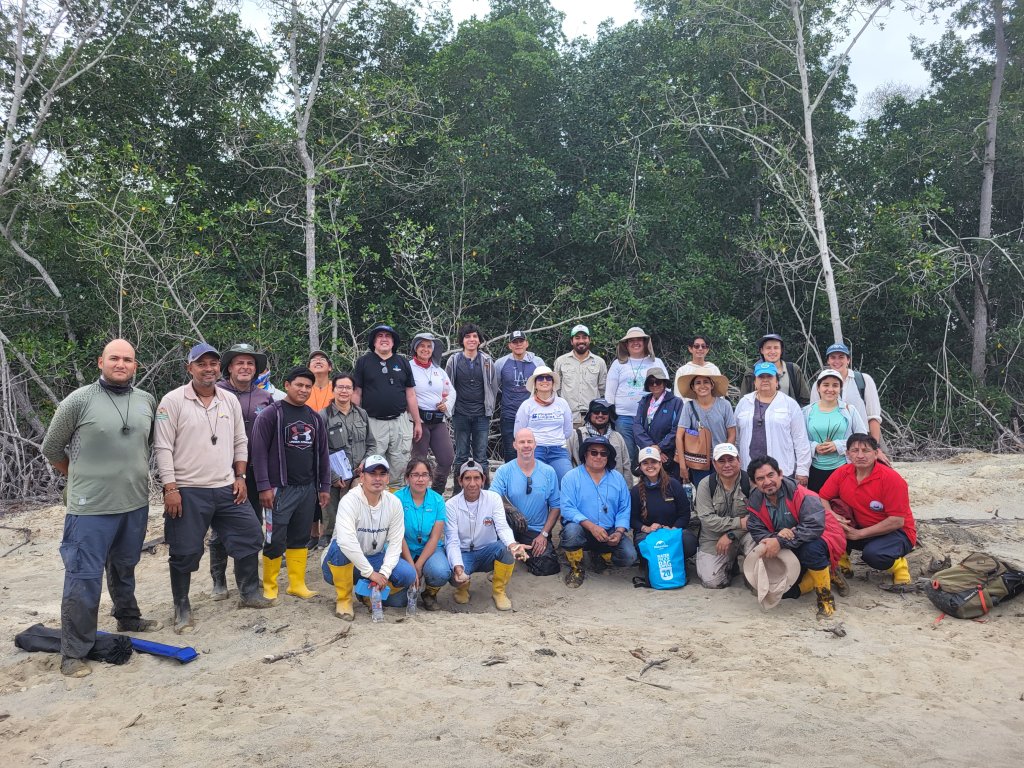
Field-based CBEMR training combined ecological theory with applied site analysis across diverse mangrove conditions in coastal Kenya

Practical assessments at community-managed and degraded mangrove sites strengthened participants’ ability to diagnose restoration feasibility and failure

Cross-sector participation reinforced coordinated, landscape-level approaches to mangrove conservation and restoration
What we did
Kenya is a region where mangrove ecosystems face ongoing pressure from urban expansion, altered hydrology, wood extraction, sedimentation, and declining water quality. Mangroves along the Kenyan coast are critical for fisheries, shoreline stabilization, and climate resilience, yet have experienced significant losses over recent decades. The five-day workshop convened 42 participants, who belonged to senior officers from the Kenya Forest Service, county-level environment directors, representatives from Wetlands International, WWF, IUCN, research institutions such as KMFRI and KEFRI, university academics, and members of the media, creating a multidisciplinary forum for shared learning and exchange grounded in national mangrove management challenges.
The training combined classroom-based sessions with two major field visits to restoration and conservation sites around Mombasa. Practical field exercises were conducted at the Mkupe Conservation site near Port Reitz, adjacent to the Dongo Kundu Bypass, where participants carried out zonation transects and examined changes in soil conditions, salinity, hydrology, and species distribution from the mangrove fringe to inland sand blanks. A second field visit was conducted in the upper reaches of Tudor Creek, including sites managed by the Bidii Creek Conservancy and Ceriops, where participants assessed both successful community-led restoration efforts and areas where mangrove loss had led to severe site degradation. Across these sites, participants analyzed biophysical and social factors influencing restoration outcomes, practiced sea-level elevation assessments, and discussed community engagement, land-use pressures, and livelihood interactions. Overall, the workshop strengthened participants’ applied understanding of CBEMR principles, reinforced the importance of conserving existing mangroves, and highlighted the need for careful site selection, long-term monitoring, and inclusive stakeholder involvement in sustainable mangrove restoration efforts.
Interested in working with us?
Get in touch with us at dominic@mangroveactionproject.org
Related work
- Read more about Enhancing Community-Led Restoration in the Gulf of Guayaquil
Enhancing Community-Led Restoration in the Gulf of Guayaquil
Location: Guayaquil, Ecuador Date: August 2023 Goal: Train participants in the CBEMR approach to enhance mangrove restoration efforts in Guayaquil…
- Read more about From Theory to Practice: Enhancing Restoration through CBEMR
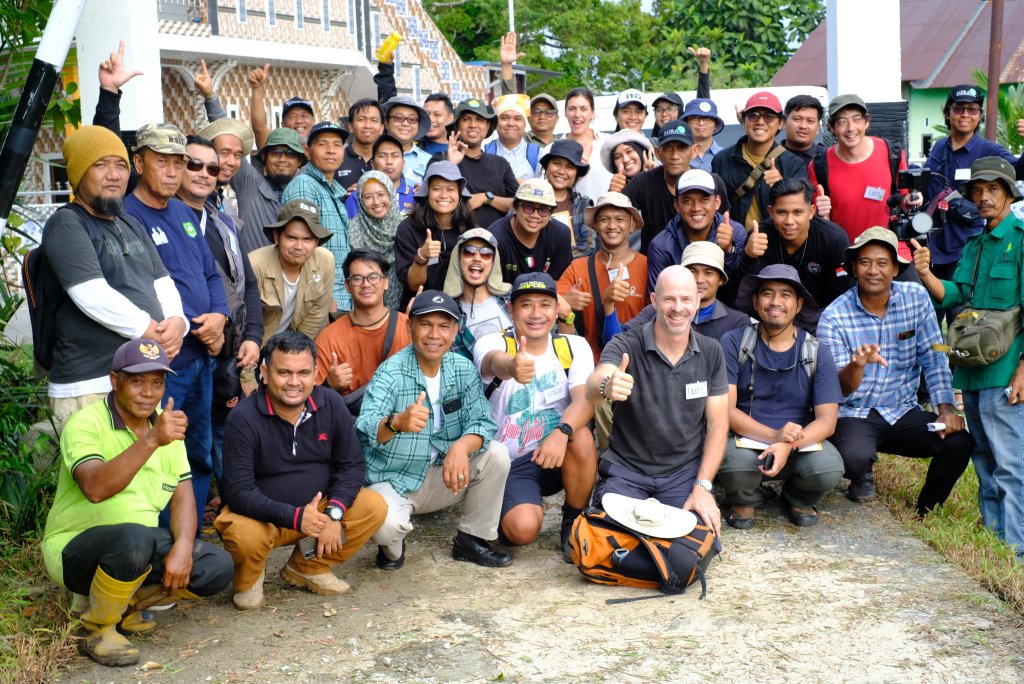
From Theory to Practice: Enhancing Restoration through CBEMR
Location: Bengkalis Island, Indonesia Timeline: October 2023 Goal: The training aimed to enhance participants’ knowledge and skills in Community-Based Ecological…
- Read more about Restoring vital ecosystems in Kenya
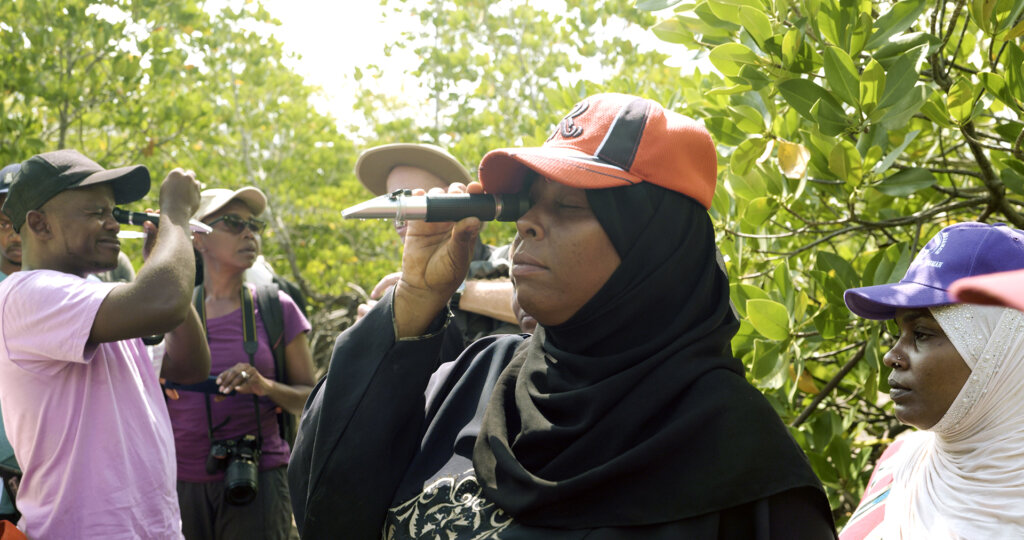
Restoring vital ecosystems in Kenya
Location: Kenya Timeline: 28th Feb - 21st March 2022 Goal: To share the knowledge and tools for restoring mangroves: a vital…
- Read more about Delivering mangrove restoration best practices in the Bahamas
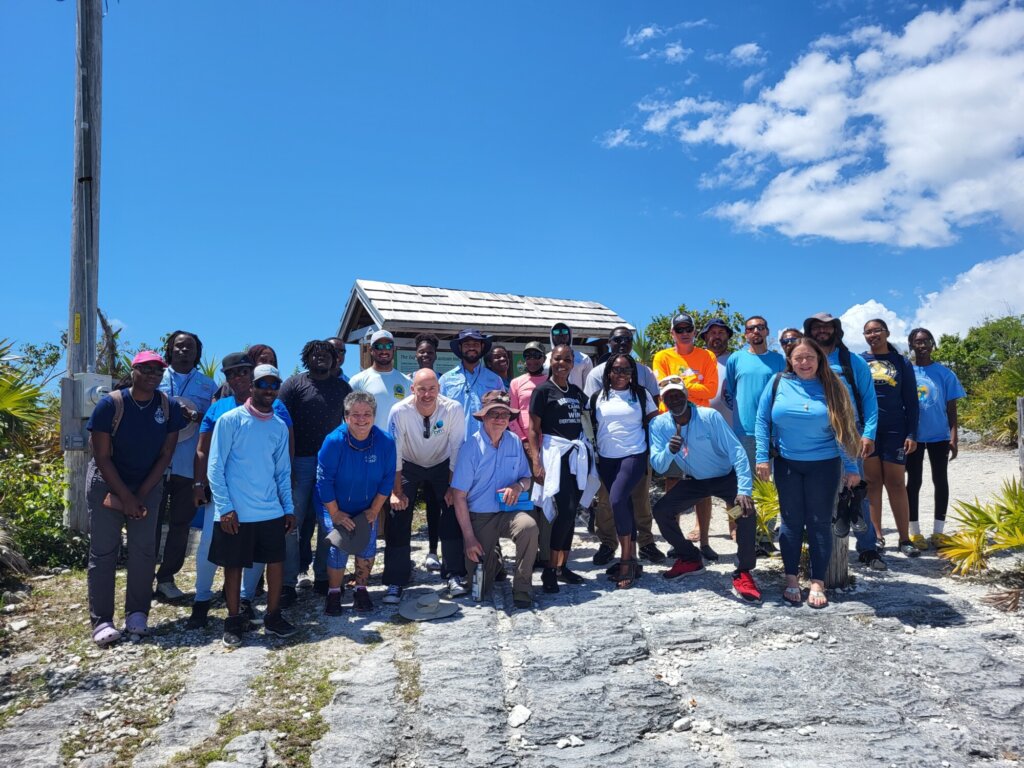
Delivering mangrove restoration best practices in the Bahamas
Location: Bahamas Timeline: March - April 2023 Goal: To support local mangroves restoration efforts and implement best practices for future…
- Read more about Fostering a sustainable network in Honduras
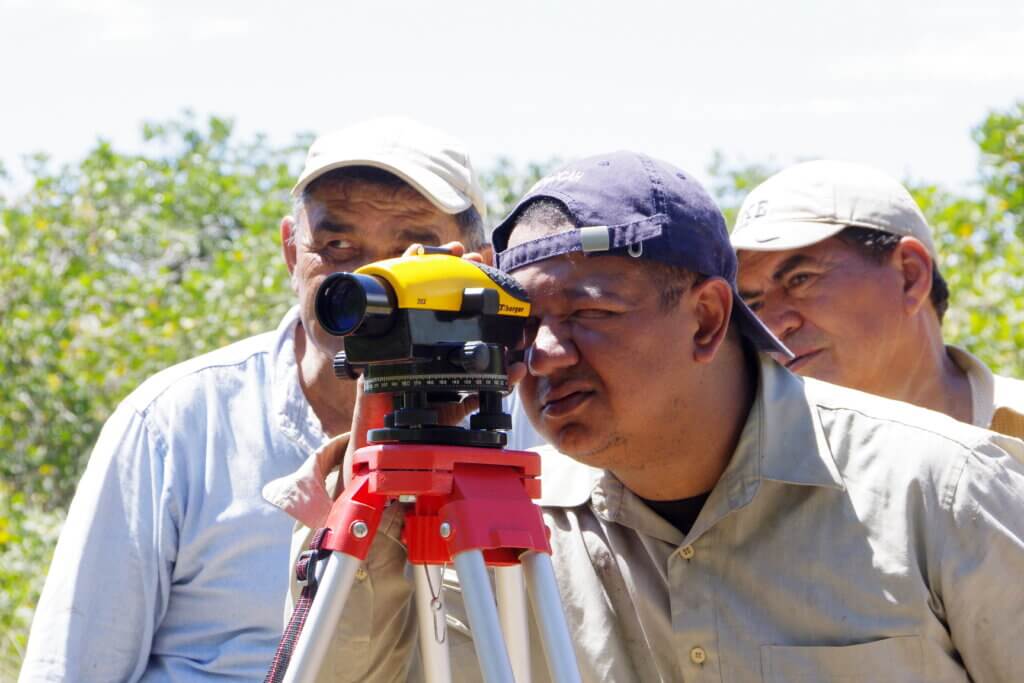
Fostering a sustainable network in Honduras
Location: Honduras Timeline: February 2015 Goal: To work collaboratively with local officials to persuade local villagers and village leaders to reduce…
- Read more about Empowering Communities for Mangrove Restoration
Empowering Communities for Mangrove Restoration
Location: Si Kao, Trang, Thailand Date: January 2013 Goal: Two local communities had a shared goal to convert and restore…
- Read more about Restoring Hope: CBEMR’s Role in Post-Hurricane Recovery
Restoring Hope: CBEMR’s Role in Post-Hurricane Recovery
Location: Bahamas Timeline: April 2022 Goal: The workshop aimed to enhance participants' skills and knowledge in mangrove management and restoration…