Nature-Based Disaster Risk Reduction: CBEMR Training
Location: Sittwe, Rakhine State, Myanmar
Dates: 16th -29th January 2017
Goal: To deliver restoration training to help reverse loss of mangrove forest coverage in northern Rakhine State and meet Disaster Risk Reduction goals to re-establish coastal green belts.
Partners
Program for Increased Disaster Management and Resilience Against Natural Disaster
United States Agency for International development

Synchronicity Earth

Ministry of Natural Resources and Environmental Conservation Myanmar.
Act for Change, Invest in Potential


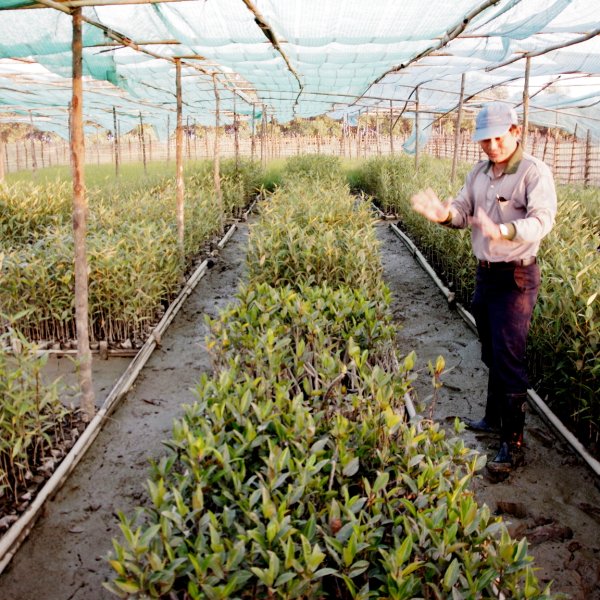
Mangrove restoration plans were developed for demonstration sites in three villages

Village leaders were involved in developing socially acceptable restoration strategies, reinforcing the importance of local buy-in.

Practical sessions covered preparing budgets for restoration grants, site monitoring, and long-term maintenance plannings
What we did
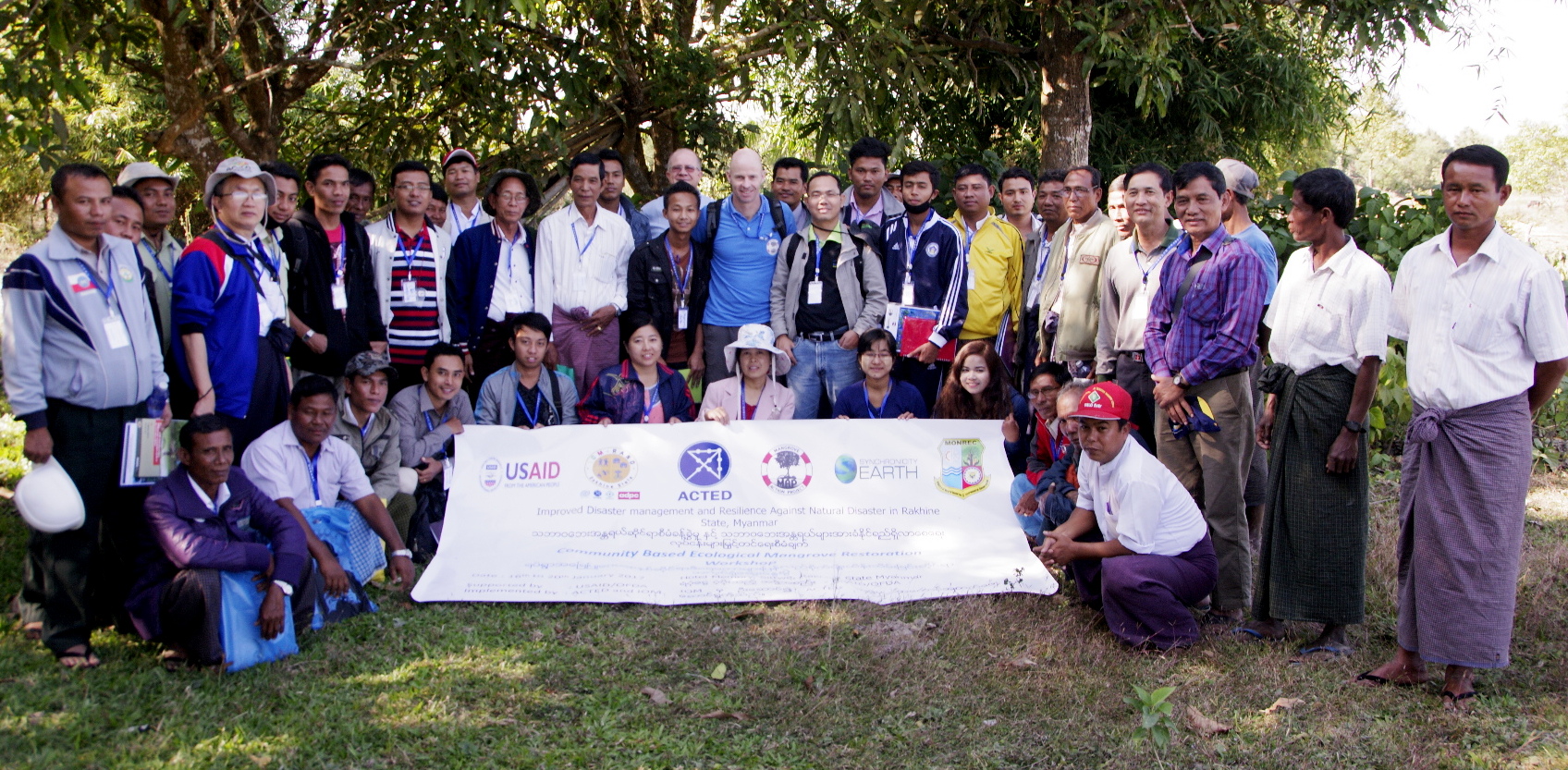
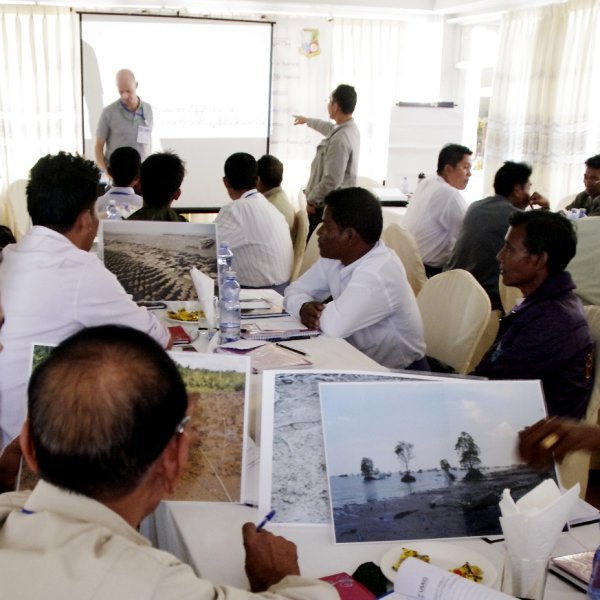
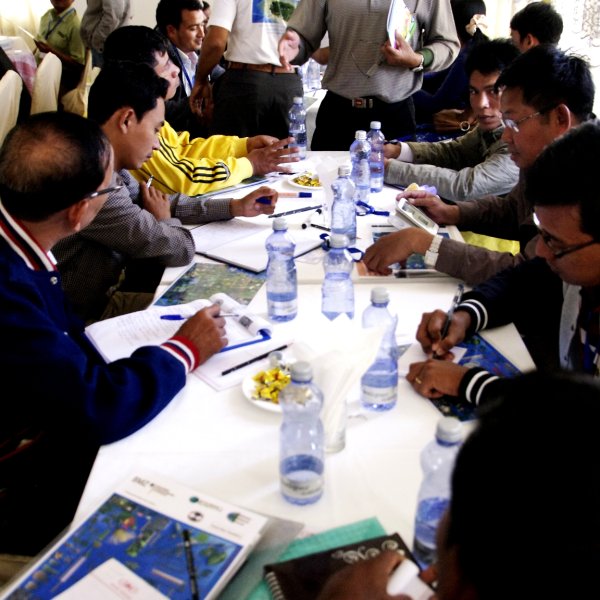
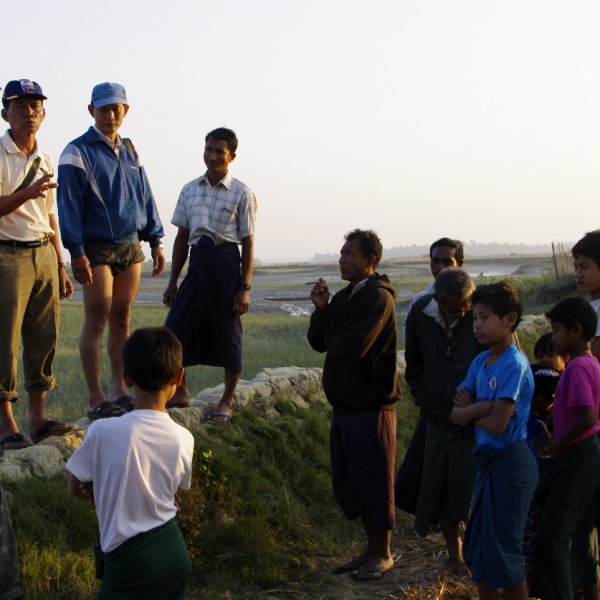
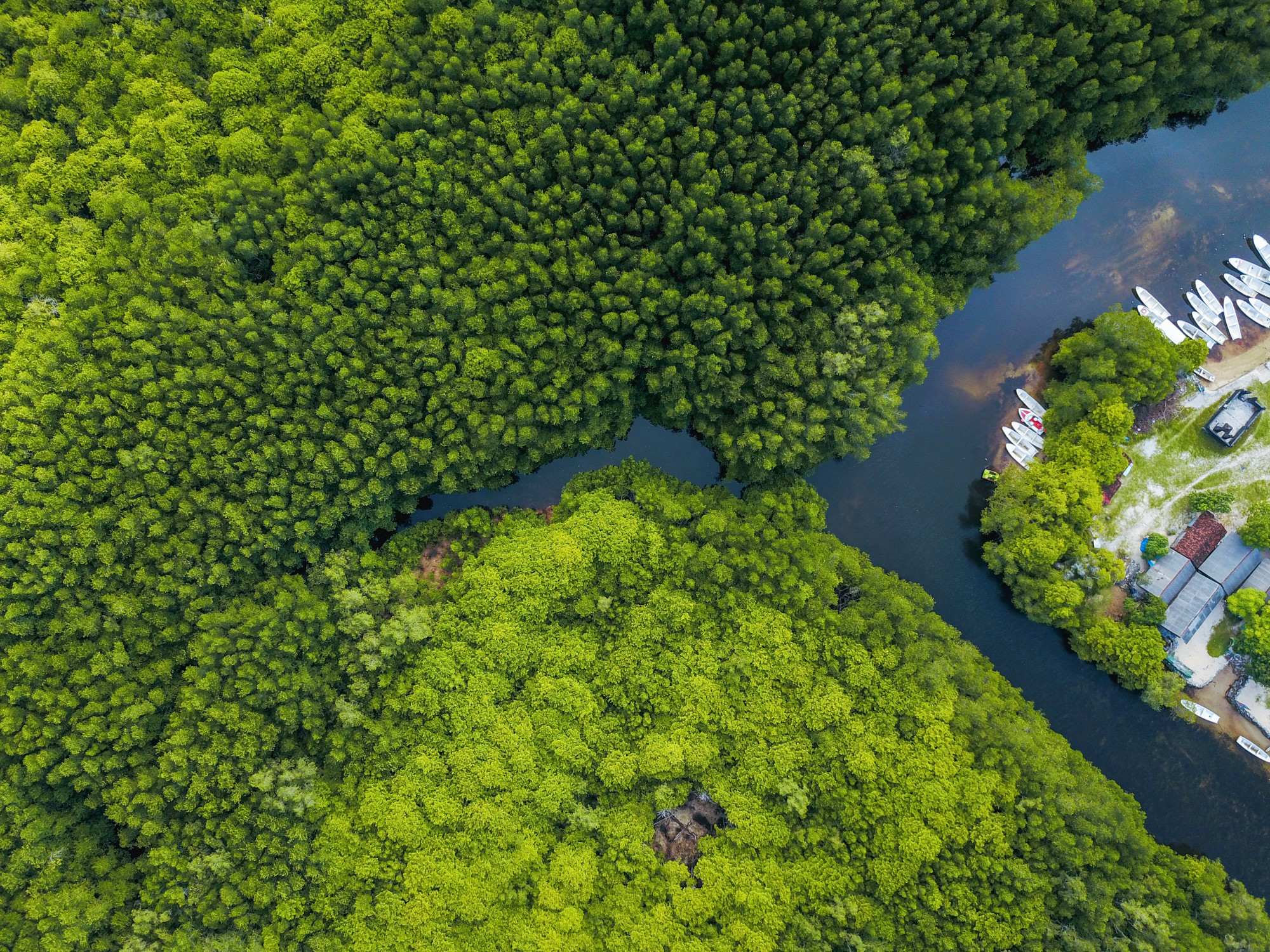
In response to the rapid loss of mangroves in northern Rakhine State – where 23% of mangrove coverage was lost between 2000 and 2015 – a two-part training on Community-Based Ecological Mangrove Restoration (CBEMR) was held in Sittwe. The training included a five-day theory workshop for 36 participants from government agencies, NGOs, CSOs, and CBOs, followed by a seven-day field component for 12 participants, reinforcing concepts through hands-on experience.
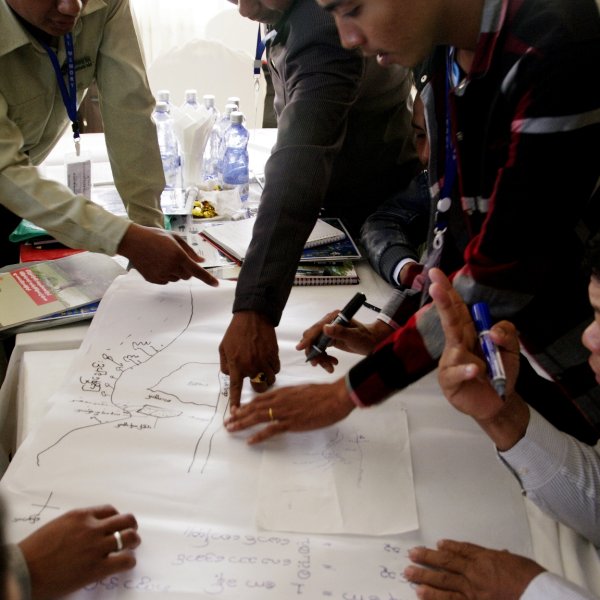
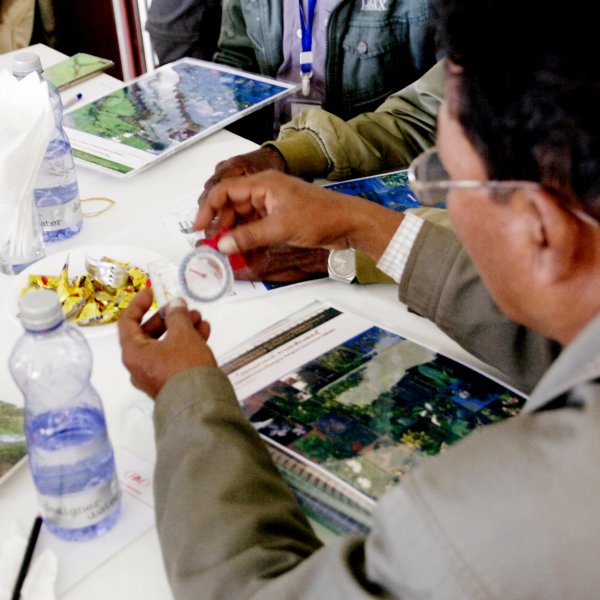
The first part of the workshop featured photo-based presentations, guest lectures from Myanmar experts, small group discussions, interactive exercises, videos, field visits, and participant-led presentations. Topics included CBEMR principles, site selection, and the socio-environmental challenges of mangrove restoration. One key challenge identified in the Sittwe area was the dual threat of firewood harvesting and free-ranging livestock, which inhibited natural mangrove regeneration.
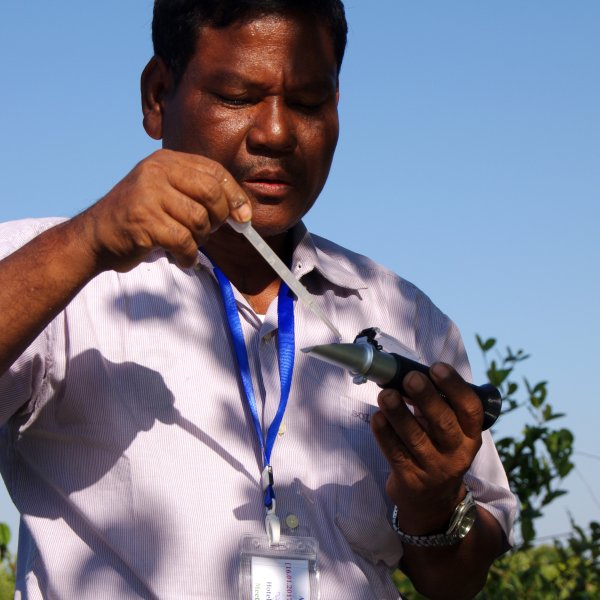
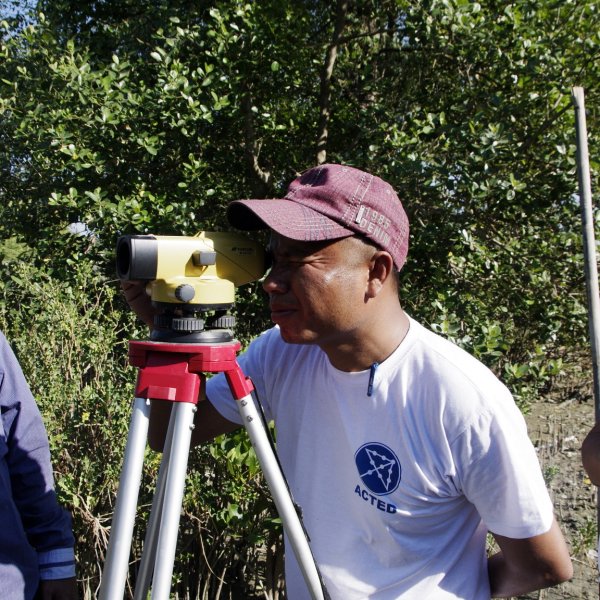
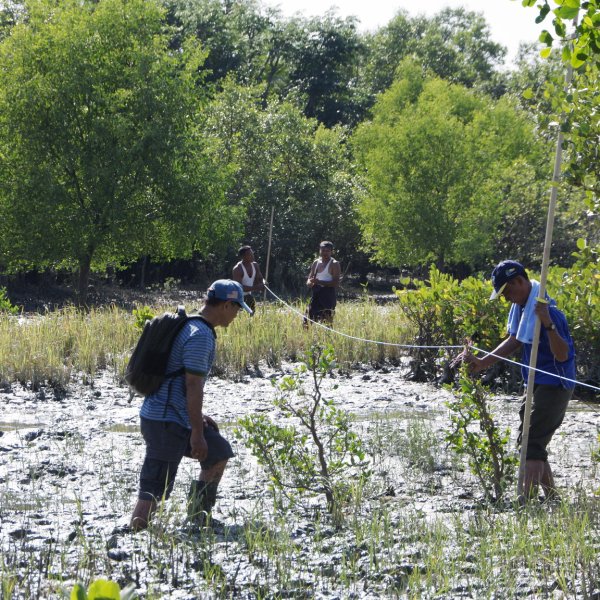
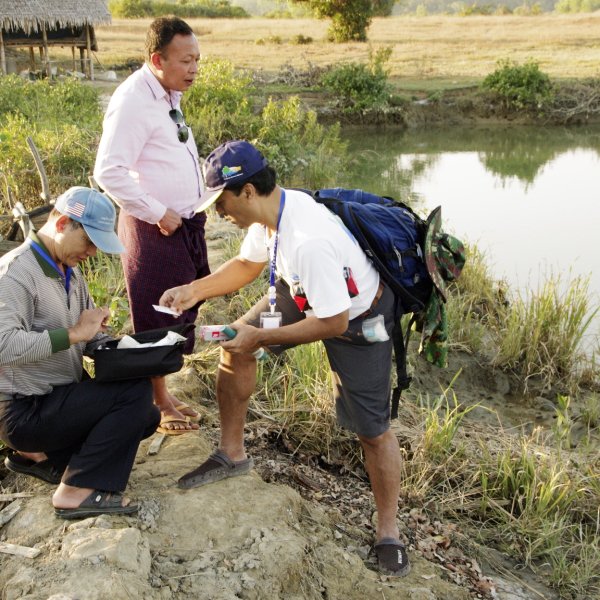
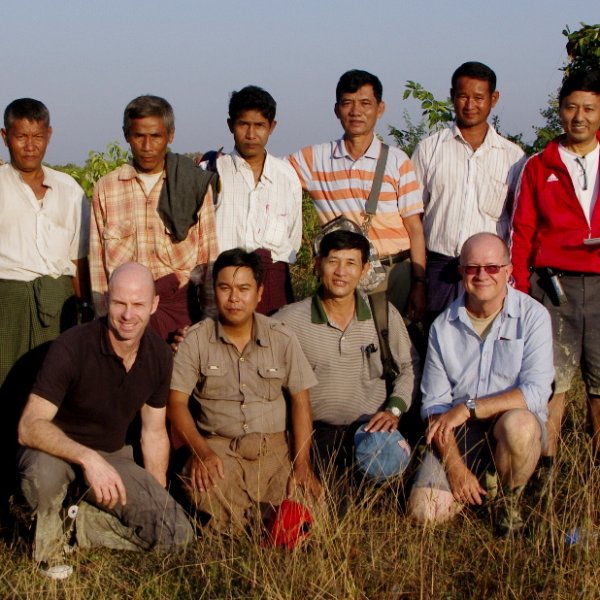
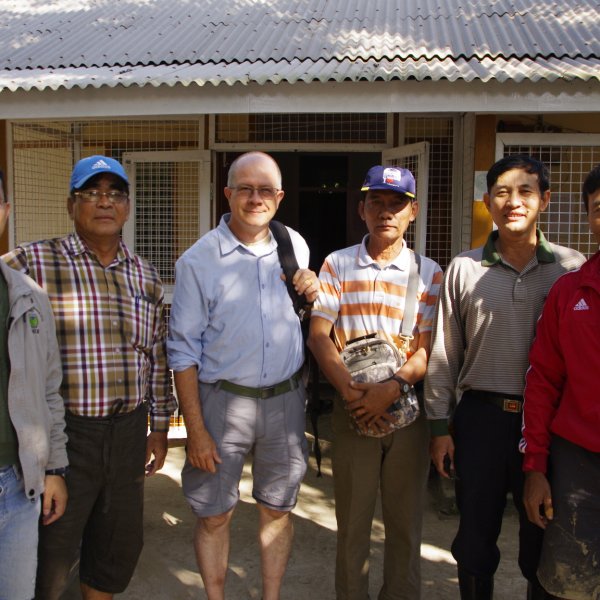
The field component focused on site assessments and restoration planning across three villages. Participants conducted transect surveys, measuring elevation changes, species composition, and site features using GPS mapping. Discussions with village leaders helped develop socially acceptable restoration plans, including fencing strategies to protect young mangroves from grazing and fishing activities. Practical sessions also covered budgeting for restoration grants and planning for long-term site monitoring and maintenance.
By integrating scientific knowledge with community engagement, the training helped participants design practical, site-specific restoration strategies. The emphasis on social agreements, exclusion measures, and participatory planning highlighted the importance of local collaboration in successful mangrove rehabilitation. The workshop laid the groundwork for future restoration efforts, equipping participants with the tools needed to implement and sustain mangrove restoration projects in Rakhine State.
Interested in working with us?
Get in touch with us at dominic@mangroveactionproject.org
Related work
- Read more about Enhancing Community-Led Restoration in the Gulf of Guayaquil
Enhancing Community-Led Restoration in the Gulf of Guayaquil
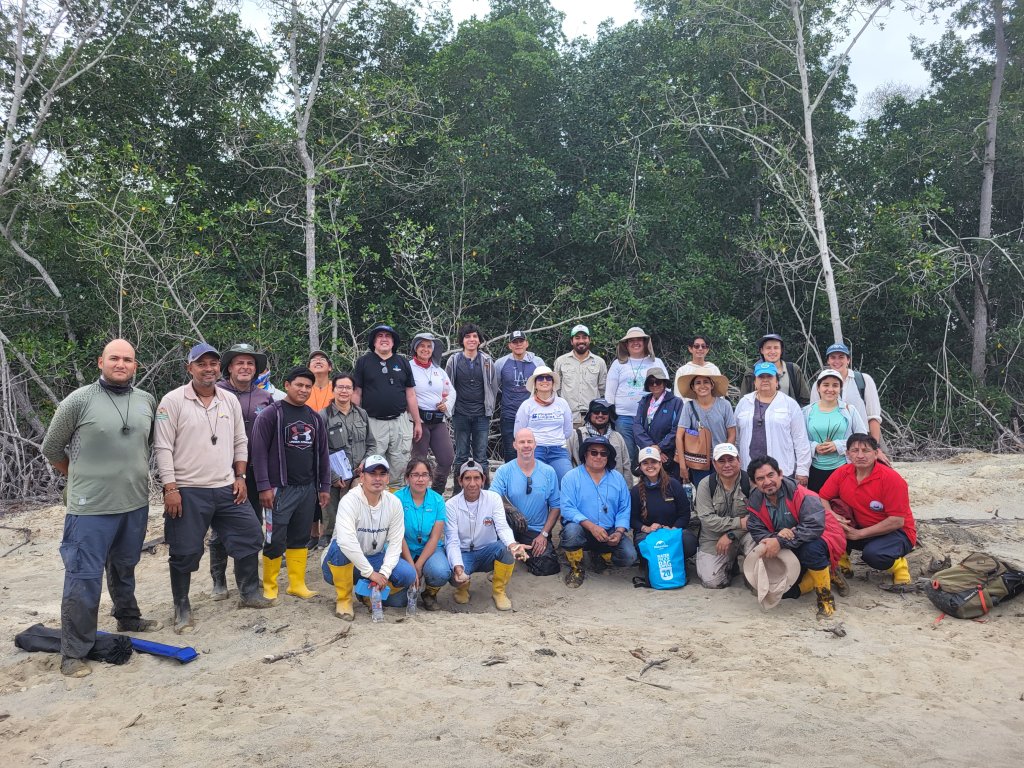
Location: Guayaquil, Ecuador Date: August 2023 Goal: Train participants in the CBEMR approach to enhance mangrove restoration efforts in Guayaquil…
- Read more about From Theory to Practice: Enhancing Restoration through CBEMR
From Theory to Practice: Enhancing Restoration through CBEMR
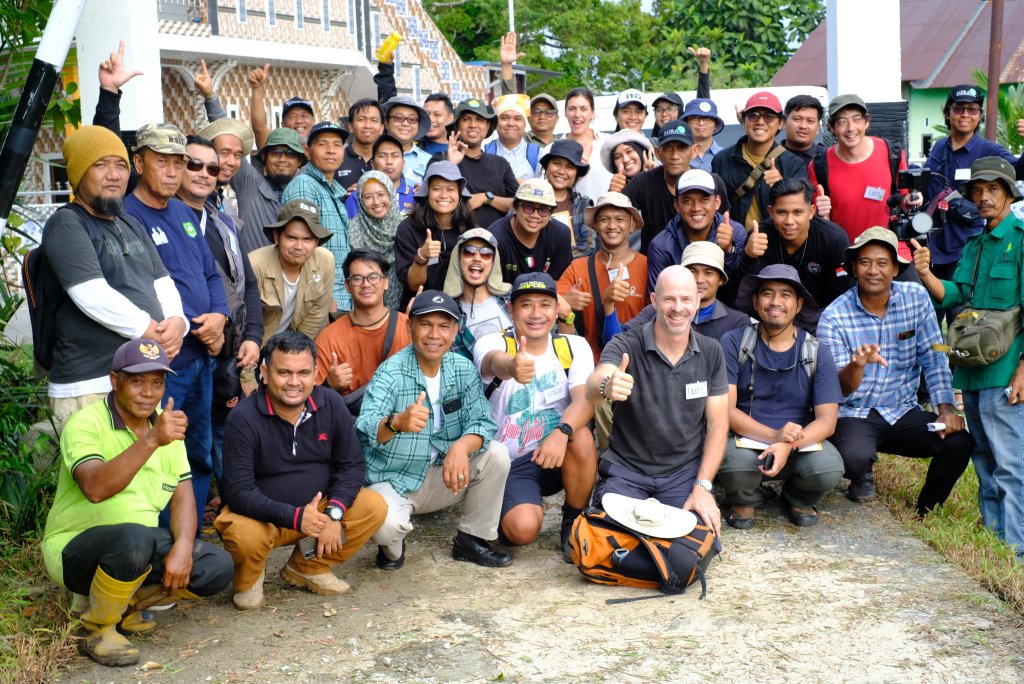
Location: Bengkalis Island, Indonesia Timeline: October 2023 Goal: The training aimed to enhance participants’ knowledge and skills in Community-Based Ecological…
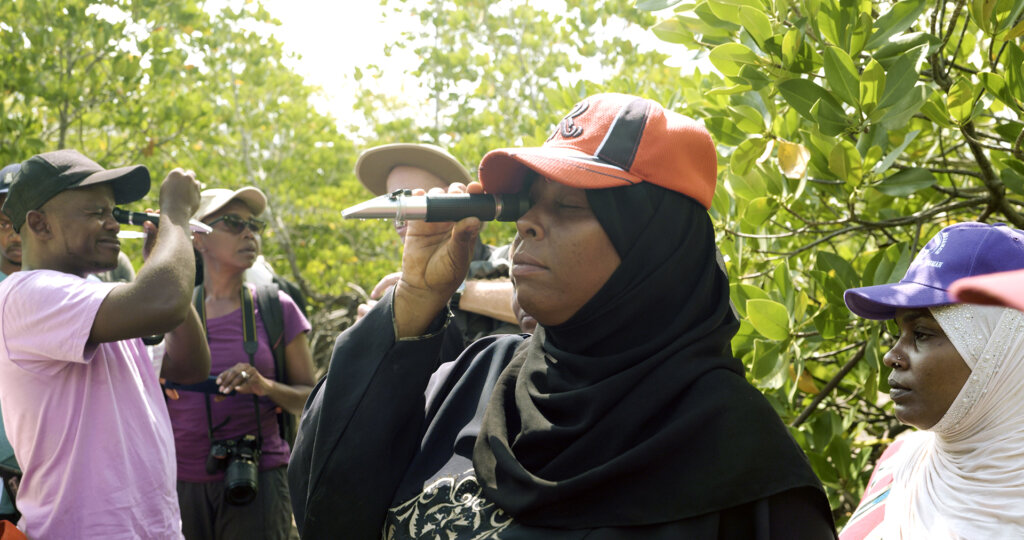
- Read more about Restoring vital ecosystems in Kenya
Restoring vital ecosystems in Kenya
Location: Kenya Timeline: 28th Feb - 21st March 2022 Goal: To share the knowledge and tools for restoring mangroves: a vital…
- Read more about Delivering mangrove restoration best practices in the Bahamas
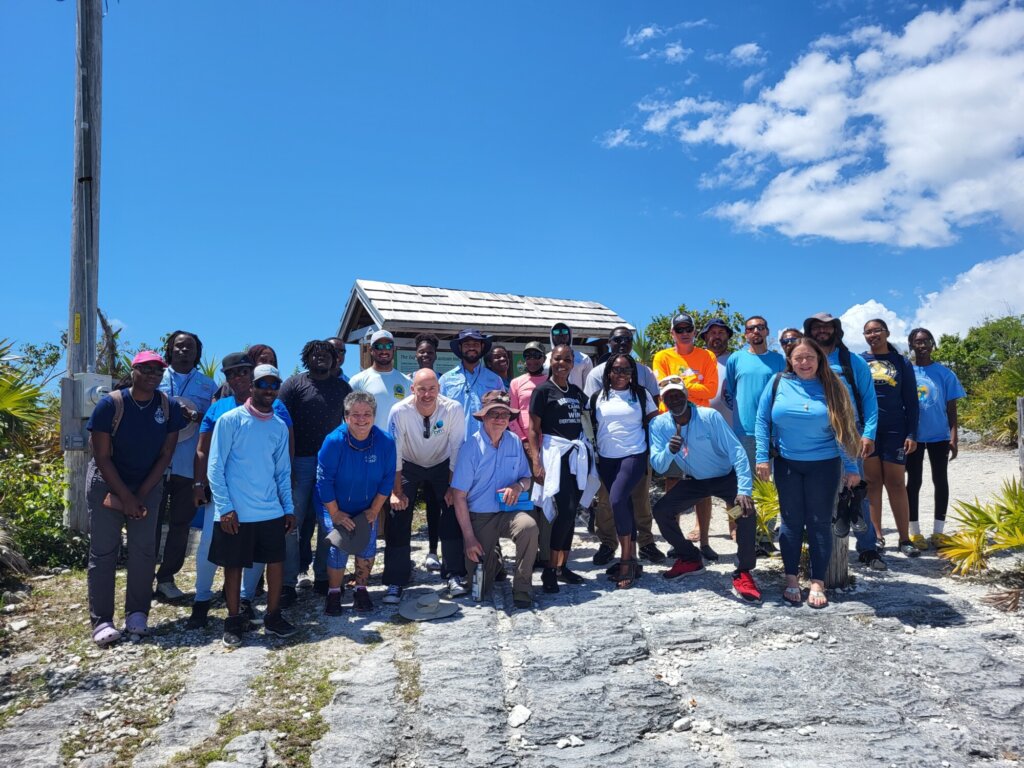
Delivering mangrove restoration best practices in the Bahamas
Location: Bahamas Timeline: March - April 2023 Goal: To support local mangroves restoration efforts and implement best practices for future…
- Read more about Fostering a sustainable network in Honduras
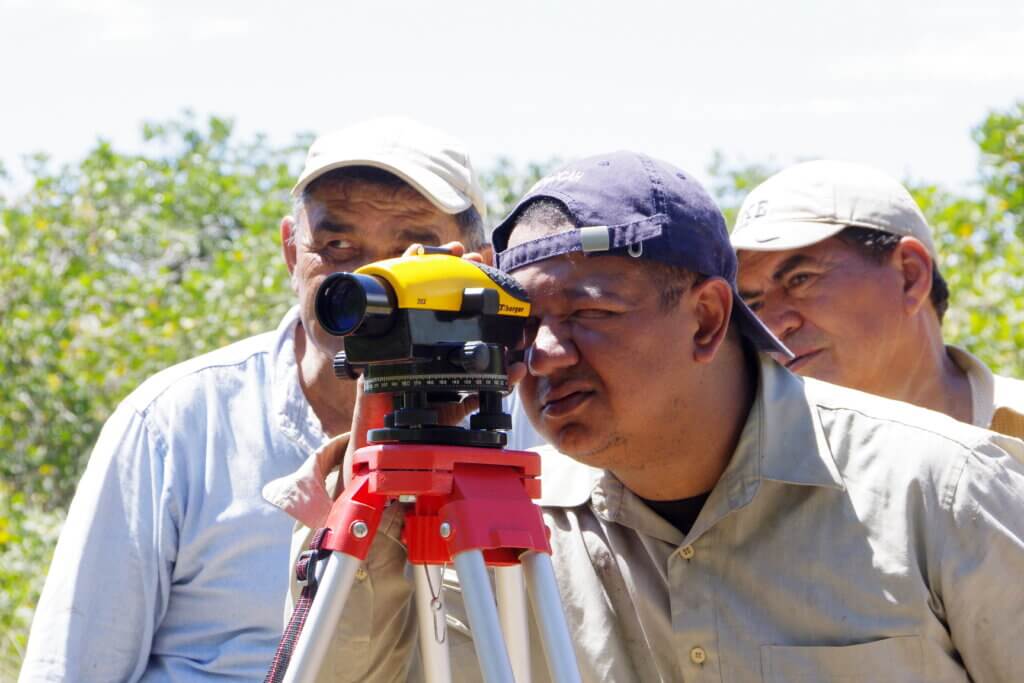
Fostering a sustainable network in Honduras
Location: Honduras Timeline: February 2015 Goal: To work collaboratively with local officials to persuade local villagers and village leaders to reduce…
- Read more about Empowering Communities for Mangrove Restoration
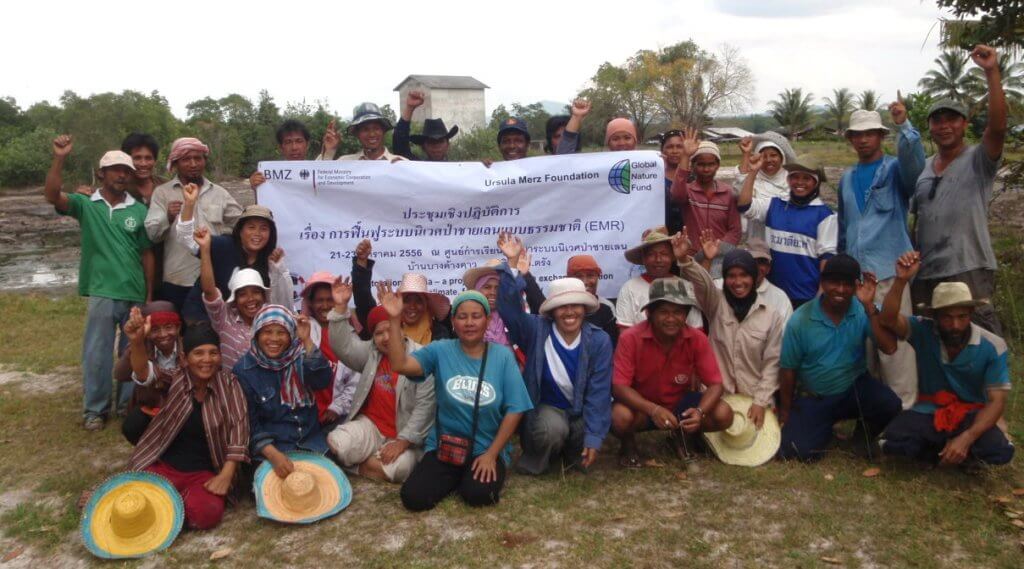
Empowering Communities for Mangrove Restoration
Location: Si Kao, Trang, Thailand Date: January 2013 Goal: Two local communities had a shared goal to convert and restore…
- Read more about Restoring Hope: CBEMR’s Role in Post-Hurricane Recovery
Restoring Hope: CBEMR’s Role in Post-Hurricane Recovery
Location: Bahamas Timeline: April 2022 Goal: The workshop aimed to enhance participants' skills and knowledge in mangrove management and restoration…