Ecological Mangrove Restoration Trainning Rakhine, Myanmar
Location: Kyauk Phyu, Pakhiner
Timeline: 5th – 8th March 2011
Goal: The workshop aimed to increase awareness of mangrove ecosystem values, improve restoration practices, and introduce CBEMR as a science-based, participatory alternative to traditional planting approaches.
Partners
United Nations Development Programme

Myanmar Forest Department
FAO

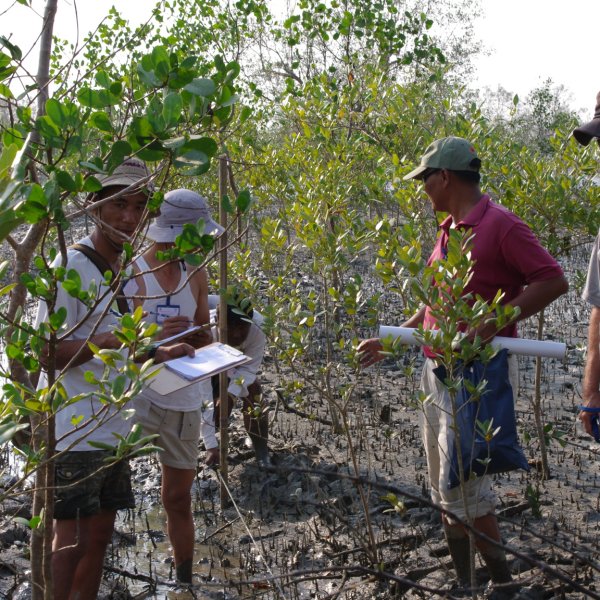
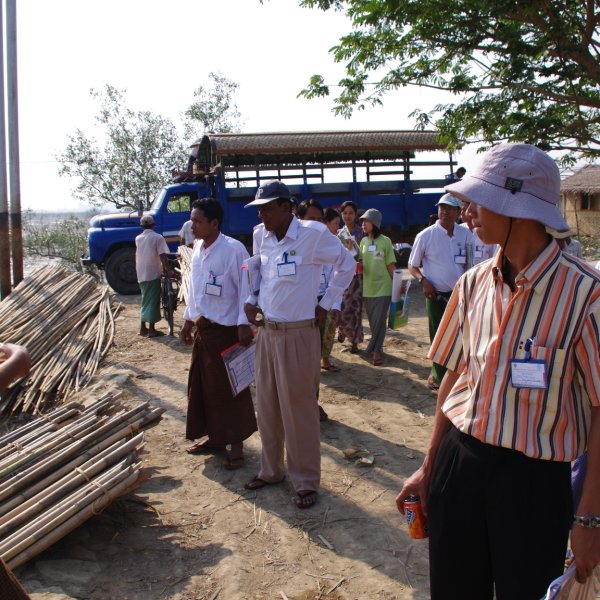
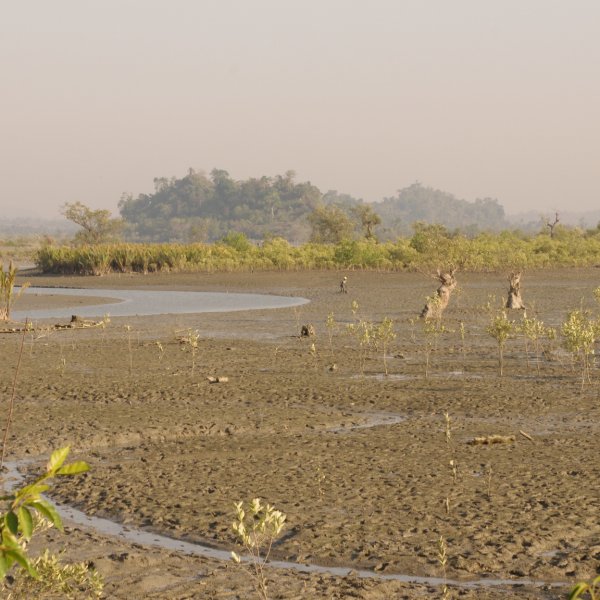
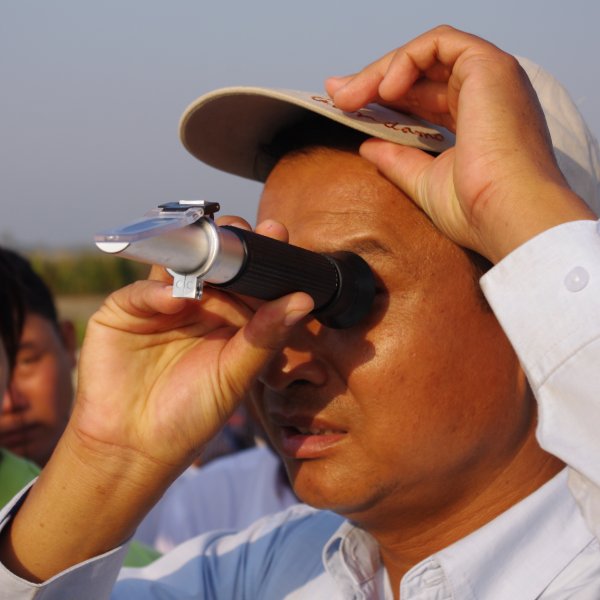
Field-based transect surveys were conducted at both degraded and natural mangrove sites to guide site-specific restoration planning

Community members, Forest Department staff, and NGO representatives jointly analyzed hydrological disturbances, reinforcing shared responsibility and local ownership

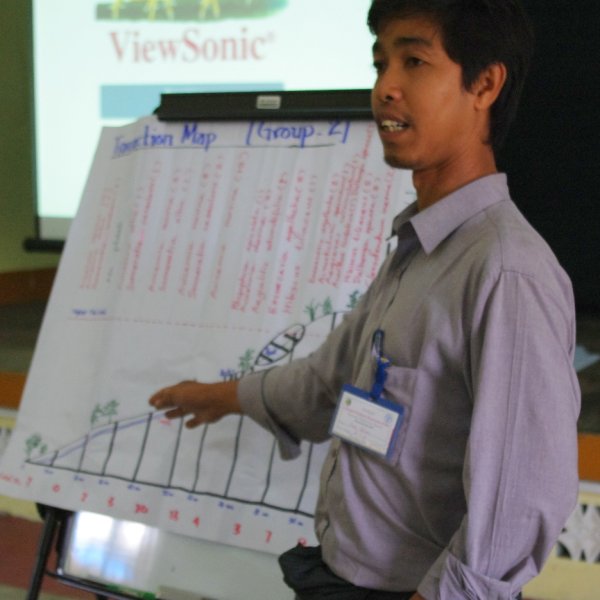
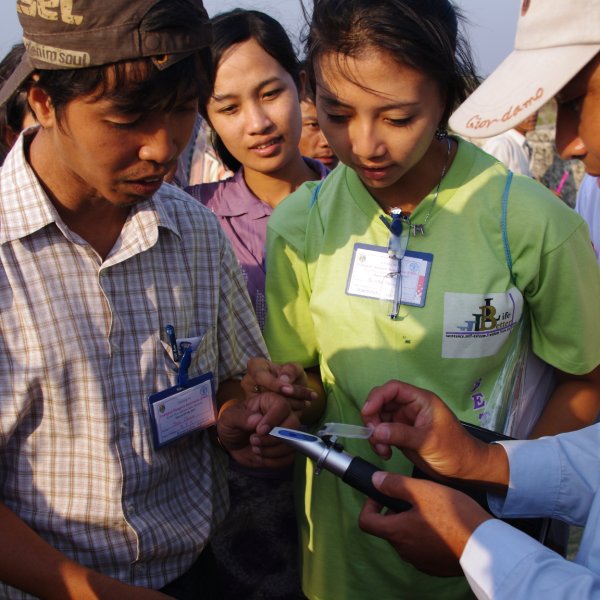
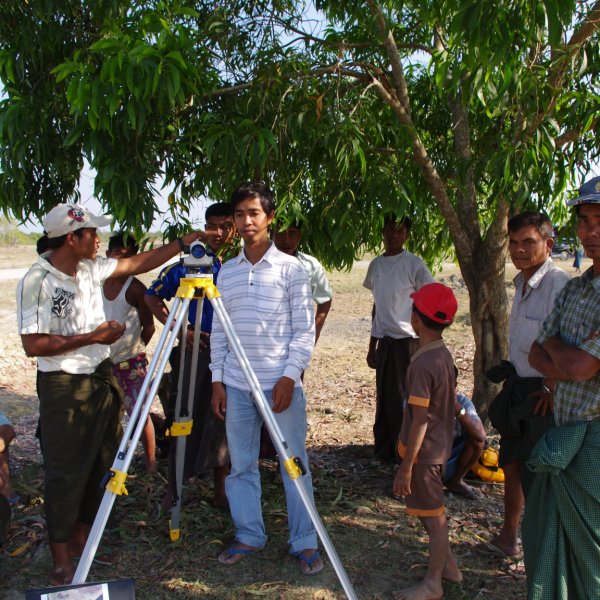
Practical sessions covered mangrove zonation analysis, hydrology assessment, and monitoring techniques to support long-term restoration success
What we did
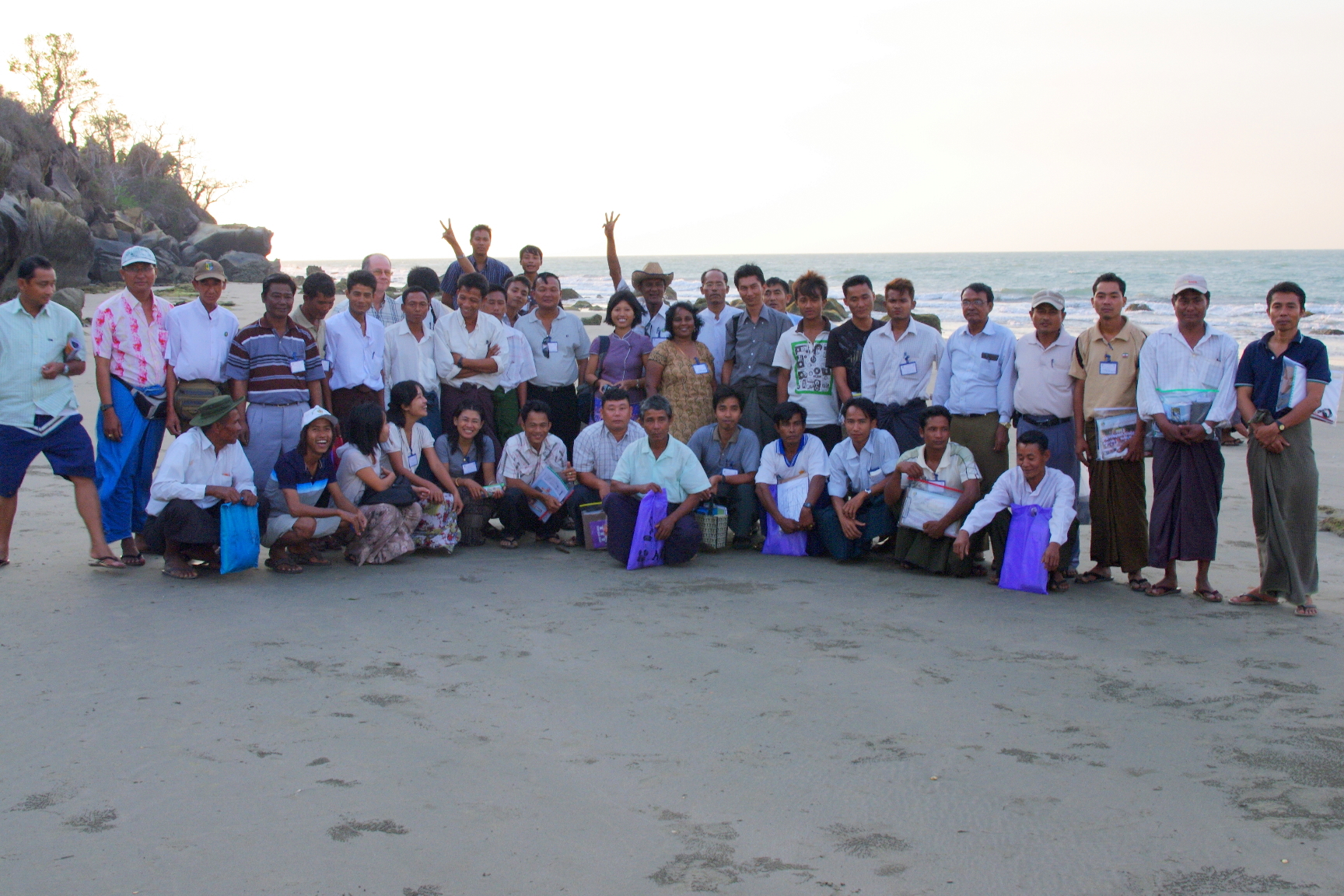
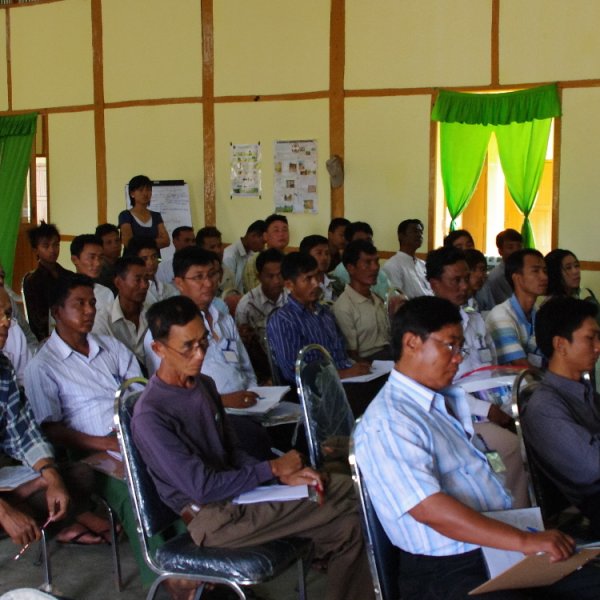
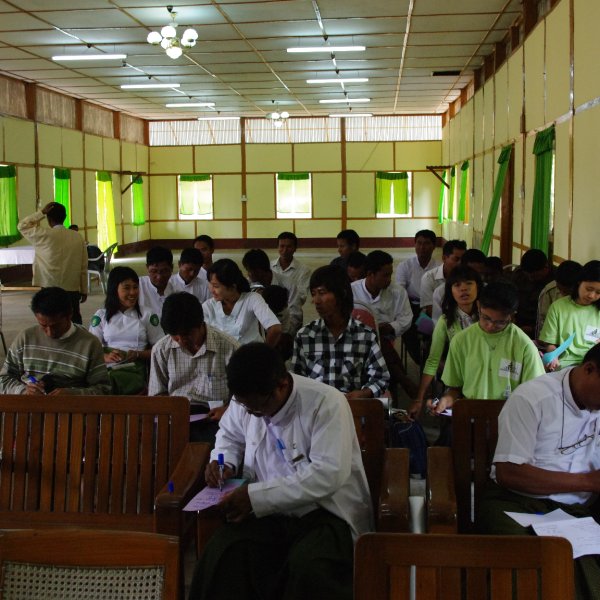
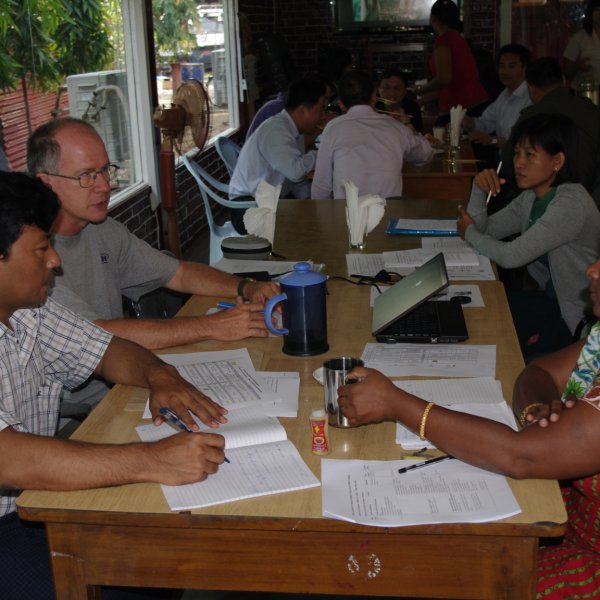
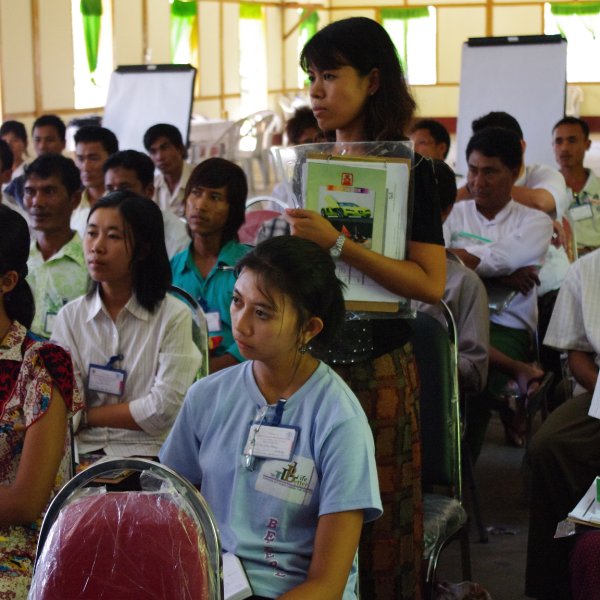
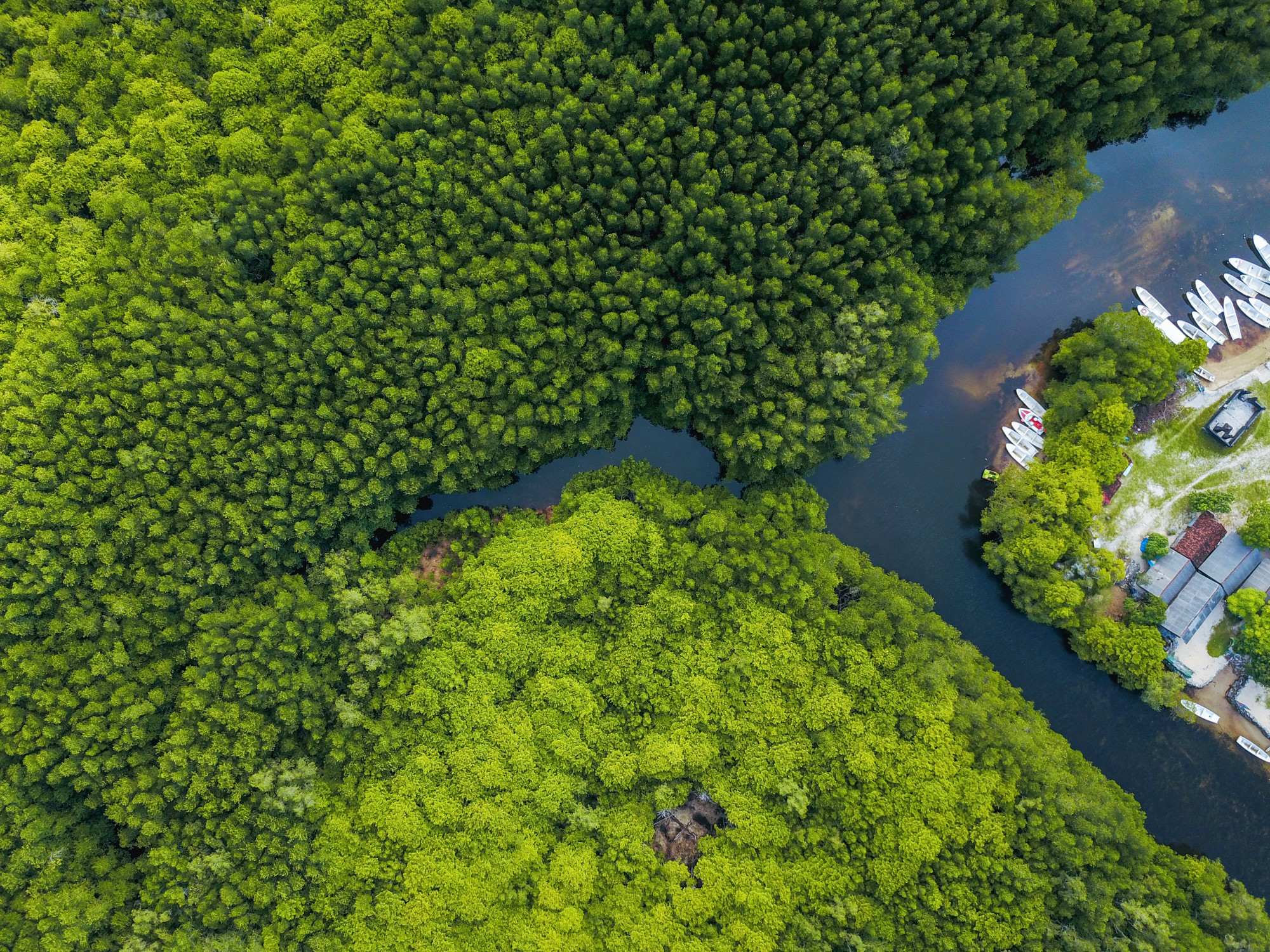
The Workshop took place over four days of training in Kyauk Phyu, a coastal town in Rakhine State, Myanmar, where mangrove ecosystems have been extensively altered by fuelwood extraction, embankment construction associated with Kari rice cultivation, aquaculture development, and changes to natural tidal hydrology. These pressures have weakened coastal protection, fisheries productivity, and local livelihoods. The four-day workshop brought together approximately 45 participants from mangrove-dependent communities, the Forest Department, local NGO’s, and a UNDP representative, creating a cross-sector learning environment grounded in local coastal management challenges.
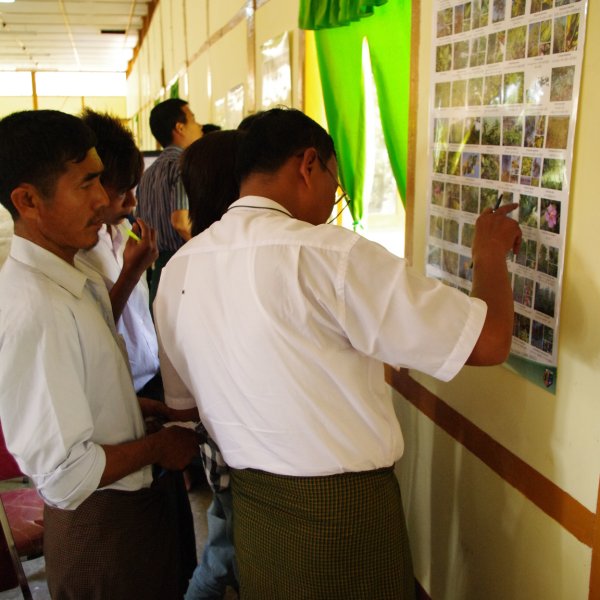
The training combined classroom sessions with intensive field-based learning at multiple sites near Kyauk Phyu. Practical exercises were conducted at a degraded former mangrove area within a local river estuary affected by dykes and water control structures, as well as at a relatively undisturbed reference mangrove site located across the estuary. At these locations, participants carried out transect surveys, assessed hydrology, soil conditions, salinity, and species zonation, and practiced measuring elevation relative to sea level. Additional hands-on activities included mapping exercises around the Ramawady Hall training venue and group analysis of large-scale restoration scenarios based on former aquaculture ponds. Case studies from Thailand provided comparative examples of community-based mangrove management and hydrology-driven restoration. Overall, the workshop strengthened participants’ practical understanding of mangrove dynamics and reinforced the value of natural regeneration, field-based assessment, and community participation as foundations for sustainable mangrove restoration.
Interested in working with us?
Get in touch with us at dominic@mangroveactionproject.org
Related work
- Read more about Enhancing Community-Led Restoration in the Gulf of Guayaquil
Enhancing Community-Led Restoration in the Gulf of Guayaquil
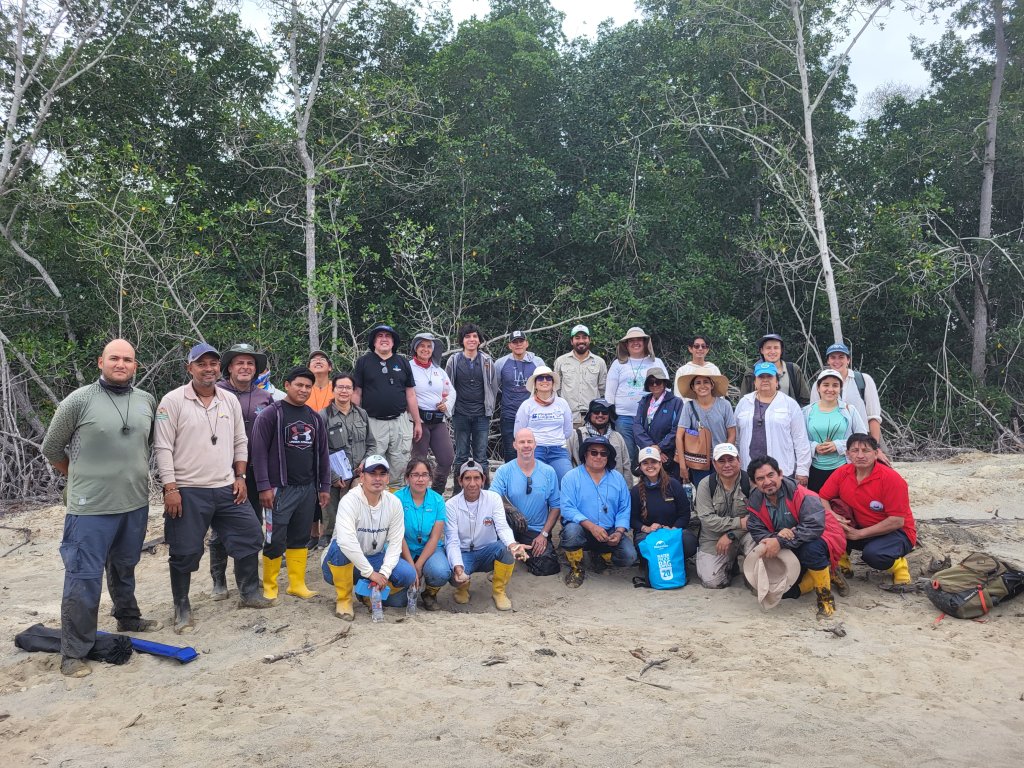
Location: Guayaquil, Ecuador Date: August 2023 Goal: Train participants in the CBEMR approach to enhance mangrove restoration efforts in Guayaquil…
- Read more about From Theory to Practice: Enhancing Restoration through CBEMR
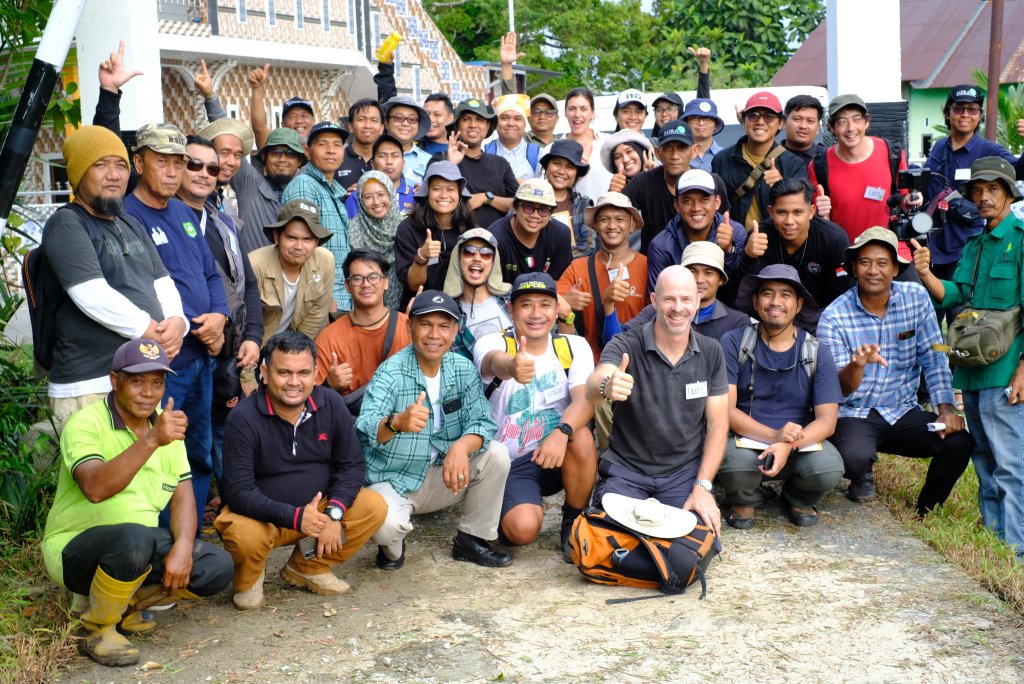
From Theory to Practice: Enhancing Restoration through CBEMR
Location: Bengkalis Island, Indonesia Timeline: October 2023 Goal: The training aimed to enhance participants’ knowledge and skills in Community-Based Ecological…
- Read more about Restoring vital ecosystems in Kenya
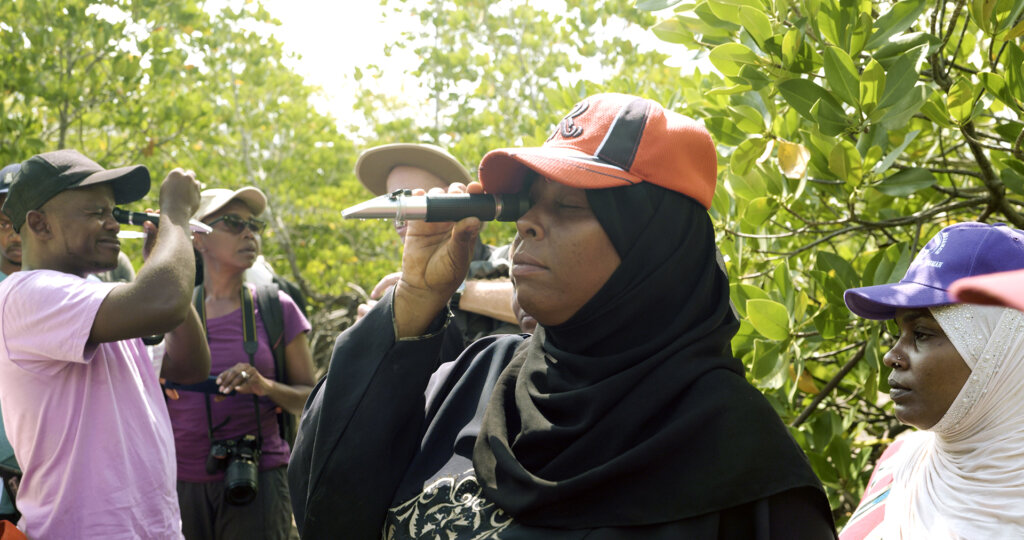
Restoring vital ecosystems in Kenya
Location: Kenya Timeline: 28th Feb - 21st March 2022 Goal: To share the knowledge and tools for restoring mangroves: a vital…
- Read more about Delivering mangrove restoration best practices in the Bahamas
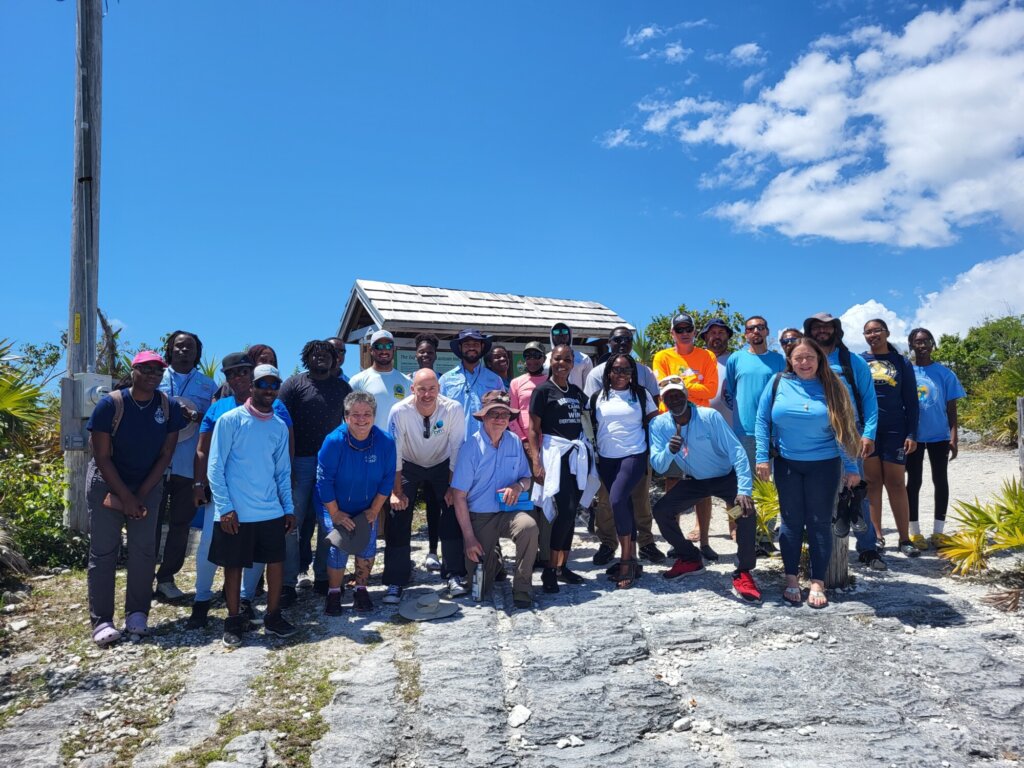
Delivering mangrove restoration best practices in the Bahamas
Location: Bahamas Timeline: March - April 2023 Goal: To support local mangroves restoration efforts and implement best practices for future…
- Read more about Fostering a sustainable network in Honduras
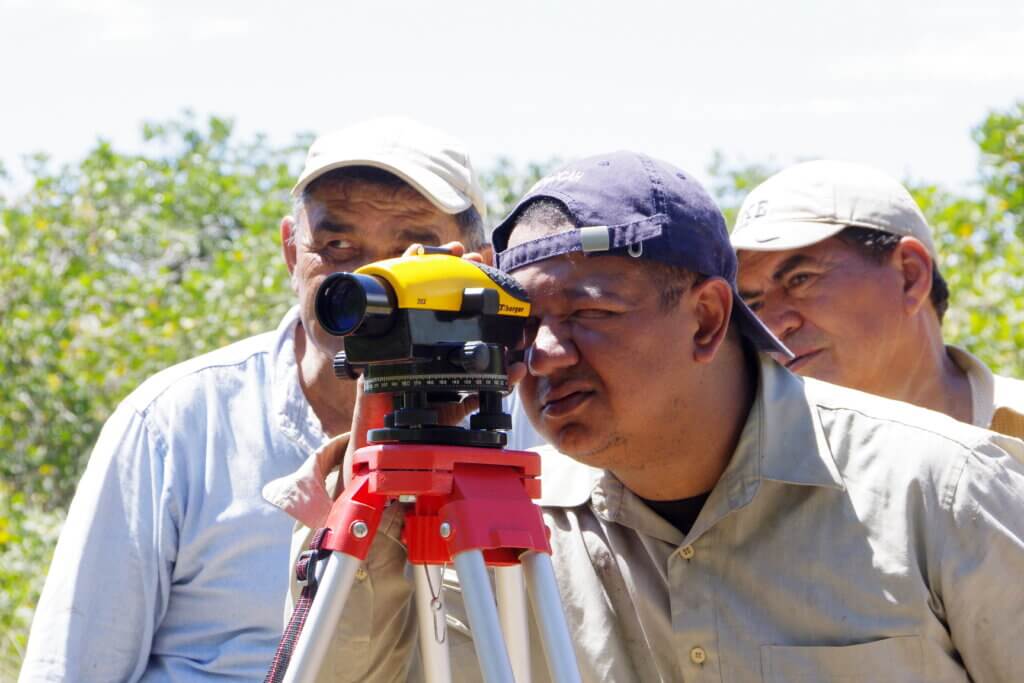
Fostering a sustainable network in Honduras
Location: Honduras Timeline: February 2015 Goal: To work collaboratively with local officials to persuade local villagers and village leaders to reduce…
- Read more about Empowering Communities for Mangrove Restoration
Empowering Communities for Mangrove Restoration
Location: Si Kao, Trang, Thailand Date: January 2013 Goal: Two local communities had a shared goal to convert and restore…
- Read more about Restoring Hope: CBEMR’s Role in Post-Hurricane Recovery
Restoring Hope: CBEMR’s Role in Post-Hurricane Recovery
Location: Bahamas Timeline: April 2022 Goal: The workshop aimed to enhance participants' skills and knowledge in mangrove management and restoration…