Kenya National Chapter: Building CBERM Capacities
Location: Faza Village, Pate, Kenya
Dates: 20th – 29th April 2024
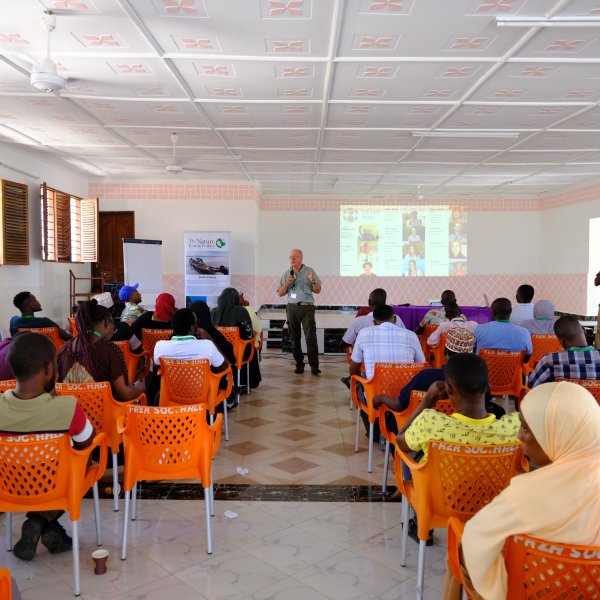
Goal: This workshop provided an opportunity to bring Kenyan National Chapter members together to learn more about mangrove restoration, learn from each other, and gel together as a chapter. The objectives include increasing knowledge on CBEMR practices, developing a community of practice comprising at least 30 community members and partners who will help advance and promote best practices, and restoring 15 ha of degraded mangrove areas
Partners
Global Mangrove Alliance
Kenya Forest Service
The Nature Conservancy


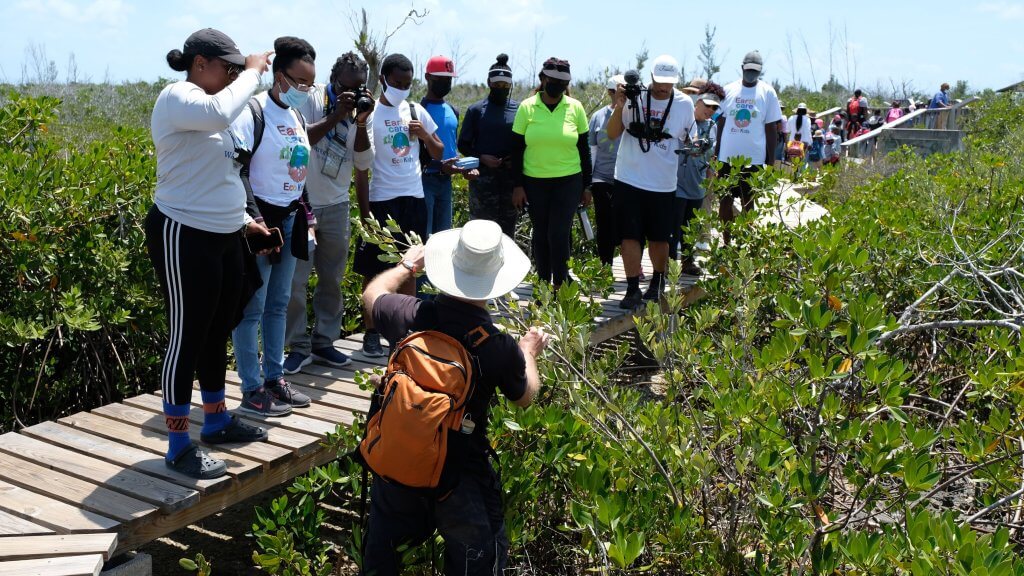
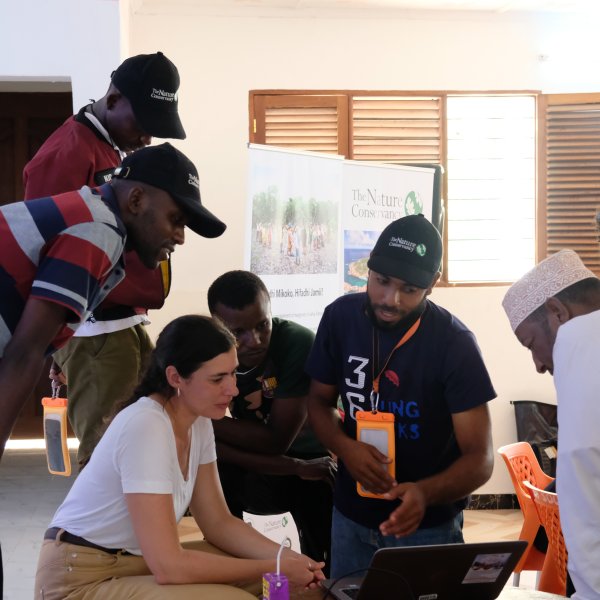
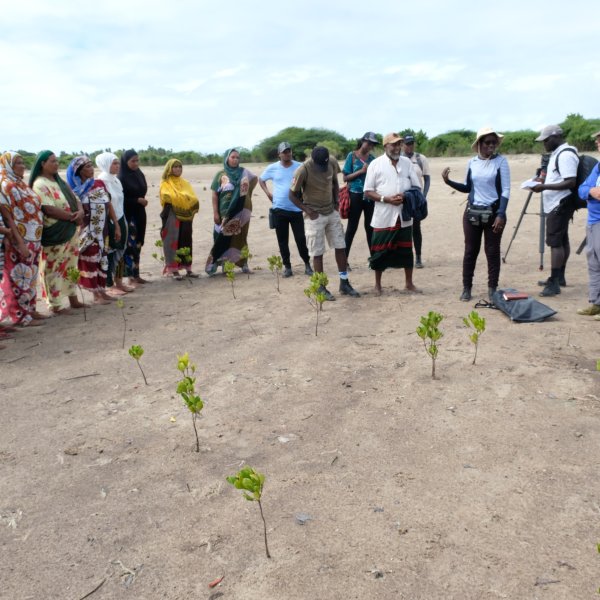
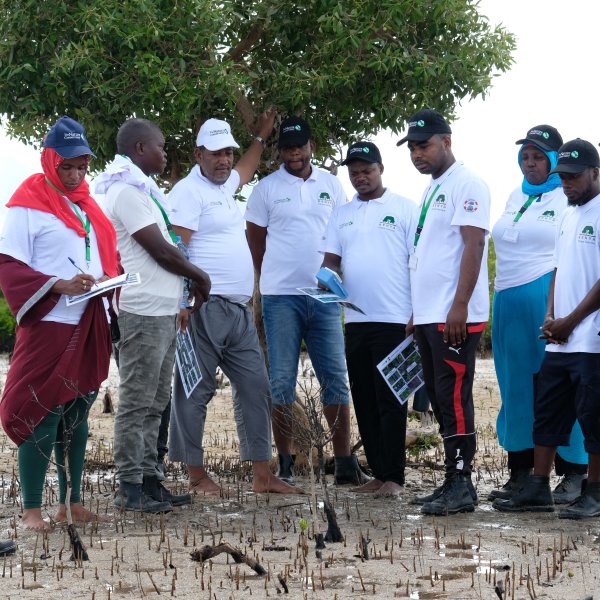
Hands-on biophysical and social assessments at multiple mangrove restoration sites

Practical field training on CBEMR methodologies

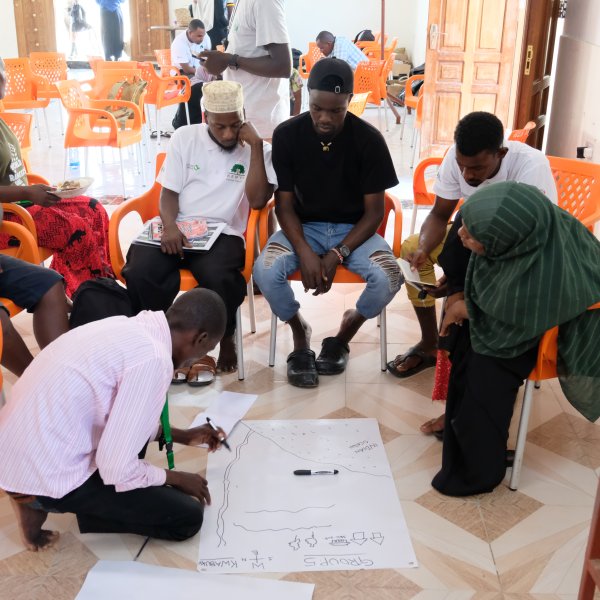
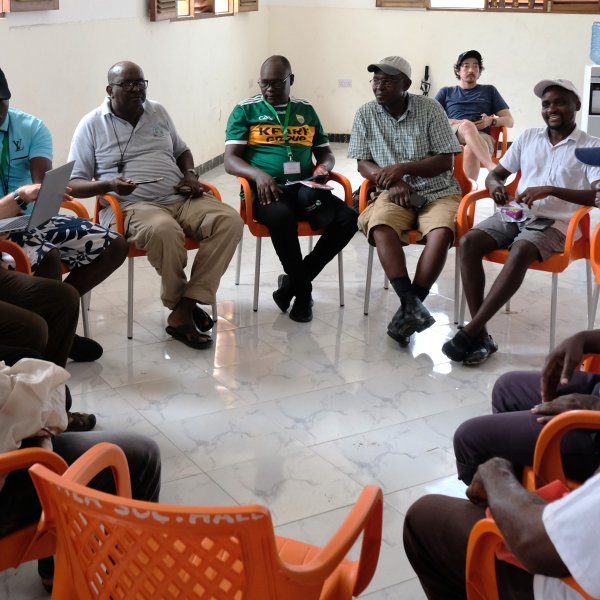
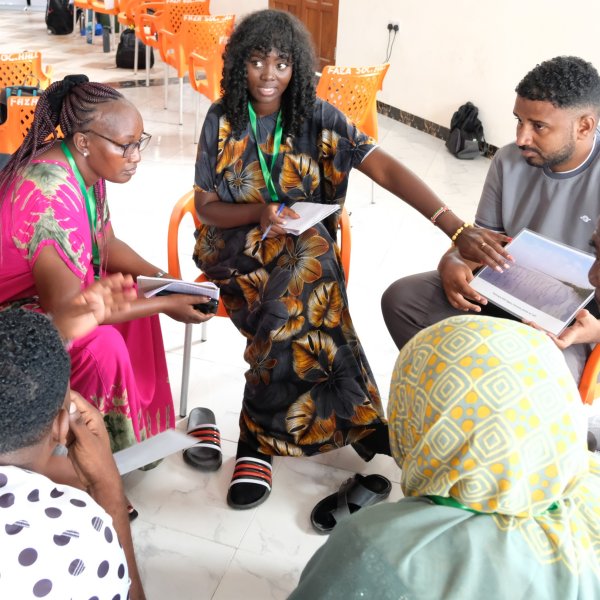
Collaborative planning and community engagement, local women’s groups, CFAs, NGOs, and government agencies working together
What we did
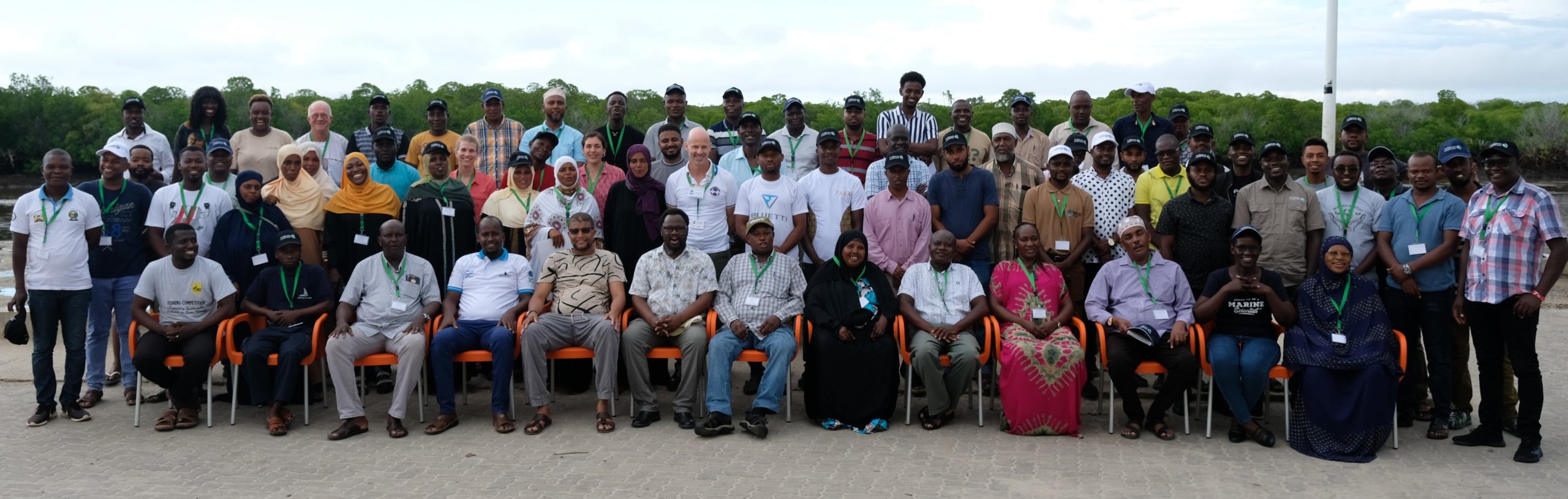
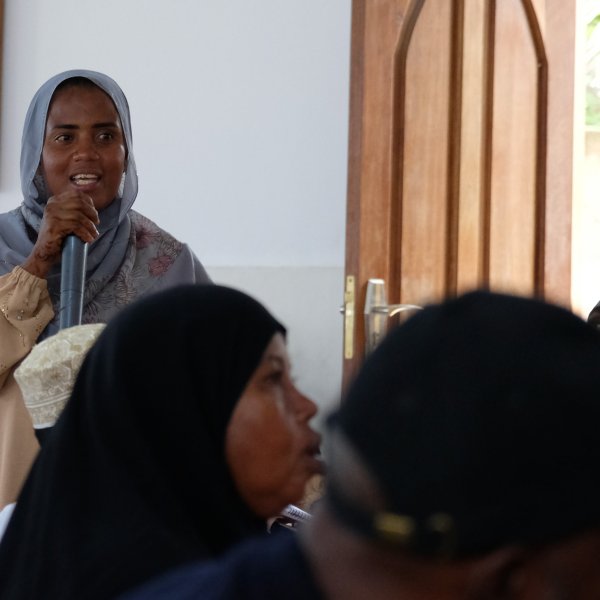
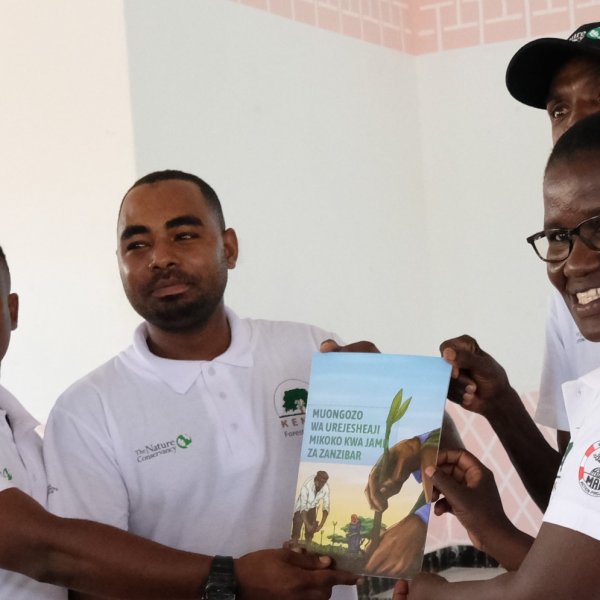
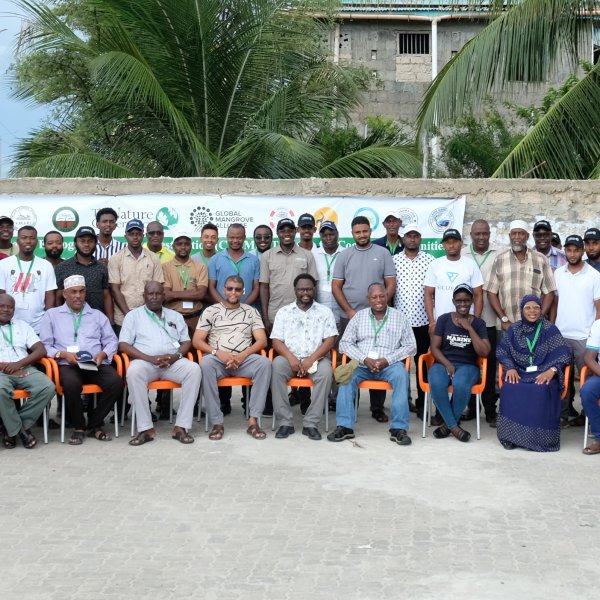
The Global Mangrove Alliance’s Kenya National Chapter (GMA-Kenya) was set up to provide a foundation for cooperation and develop a collaborative approach for mangrove protection and restoration in Kenya. The GMA’s overall aim is to halt loss, restore half of the world’s restorable mangroves, and double protection, while sustaining biodiversity, adapting to and mitigating climate change, ensuring food security, and promoting human well-being. To address these goals, the GMA-Kenya conducted an in-depth mangrove restoration training using MAP’s ‘Community-Based Ecological Mangrove Restoration’ (CBEMR) approach for local community members, academics, businesses, NGOs, and government staff. The training included a nine-day theoretical and field workshop for 75 participants from government agencies, NGOs, CSOs, and members of Kenya GMA Chapter.
Throughout the CBEMR training, participants engaged in a combination of theory-based sessions and practical fieldwork designed to strengthen their skills in ecological mangrove restoration. The activities included detailed biophysical site assessments where trainees measured salinity, pH, soil characteristics, and hydrological patterns while observing natural regeneration, species zoning, and stressors affecting mangrove ecosystems. Field visits to Kizingitini, Faza, and Mtangawanda enabled participants to apply CBEMR principles directly on degraded sites, understand causes of past restoration failures, and identify opportunities for hydrological improvement, fencing, and strategic natural regeneration.
In addition to ecological evaluations, the training incorporated social research techniques that emphasized the role of community history, land use, local leadership, and livelihood pressures in the success of restoration initiatives. Participants collaborated with local community groups—particularly women’s associations—to gather insights, assess challenges such as livestock grazing and limited alternative livelihoods, and co-design restoration plans that align with both ecological needs and community priorities. Mapping tools like Global Mangrove Watch and the Mangrove Restoration Tracker Tool were introduced to support long-term planning, monitoring, and reporting of restoration outcomes.
Interested in working with us?
Get in touch with us at dominic@mangroveactionproject.org
Related work
- Read more about Enhancing Community-Led Restoration in the Gulf of Guayaquil
Enhancing Community-Led Restoration in the Gulf of Guayaquil
Location: Guayaquil, Ecuador Date: August 2023 Goal: Train participants in the CBEMR approach to enhance mangrove restoration efforts in Guayaquil…
- Read more about From Theory to Practice: Enhancing Restoration through CBEMR
From Theory to Practice: Enhancing Restoration through CBEMR
Location: Bengkalis Island, Indonesia Timeline: October 2023 Goal: The training aimed to enhance participants’ knowledge and skills in Community-Based Ecological…
- Read more about Restoring vital ecosystems in Kenya
Restoring vital ecosystems in Kenya
Location: Kenya Timeline: 28th Feb - 21st March 2022 Goal: To share the knowledge and tools for restoring mangroves: a vital…
- Read more about Delivering mangrove restoration best practices in the Bahamas
Delivering mangrove restoration best practices in the Bahamas
Location: Bahamas Timeline: March - April 2023 Goal: To support local mangroves restoration efforts and implement best practices for future…
- Read more about Fostering a sustainable network in Honduras
Fostering a sustainable network in Honduras
Location: Honduras Timeline: February 2015 Goal: To work collaboratively with local officials to persuade local villagers and village leaders to reduce…
- Read more about Empowering Communities for Mangrove Restoration
Empowering Communities for Mangrove Restoration
Location: Si Kao, Trang, Thailand Date: January 2013 Goal: Two local communities had a shared goal to convert and restore…
- Read more about Restoring Hope: CBEMR’s Role in Post-Hurricane Recovery
Restoring Hope: CBEMR’s Role in Post-Hurricane Recovery
Location: Bahamas Timeline: April 2022 Goal: The workshop aimed to enhance participants' skills and knowledge in mangrove management and restoration…