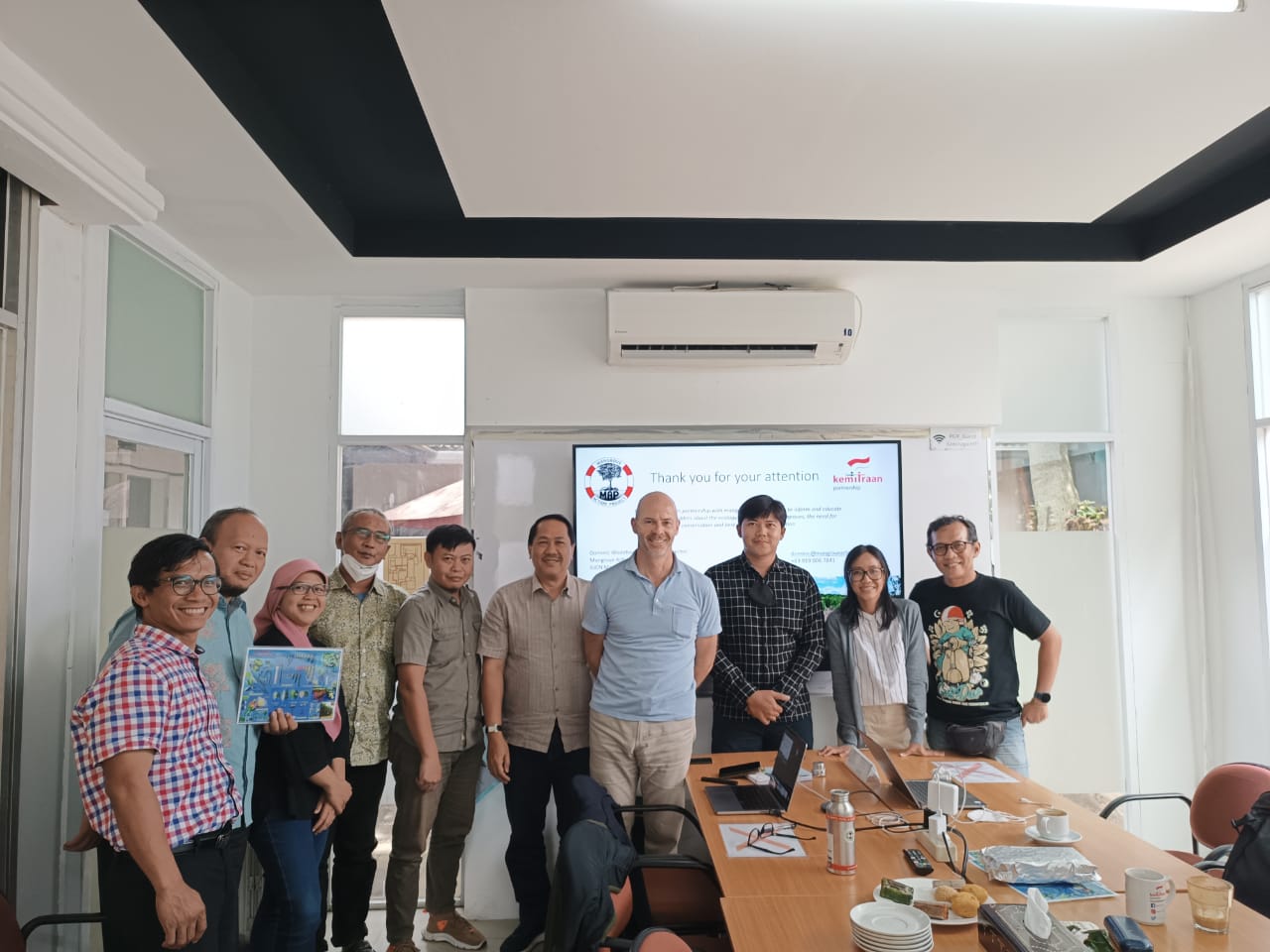
Mangrove Restoration Workshop for Kemitraan partnership
Location: Kota Jakarta Selatan, Indonesia
Date: 24th January 2023
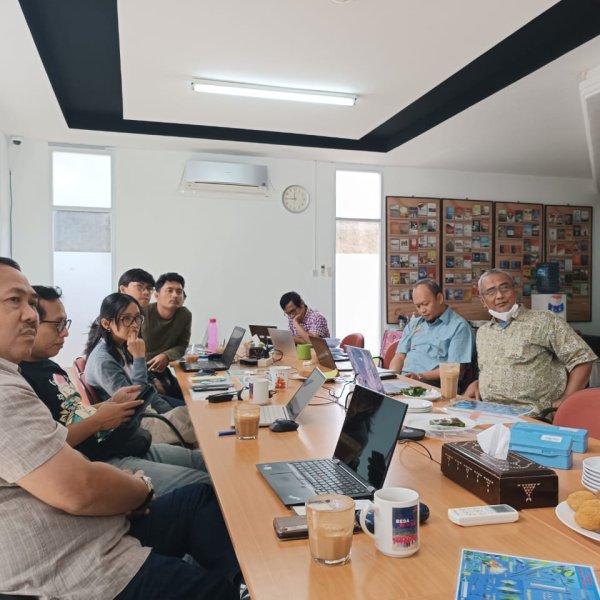
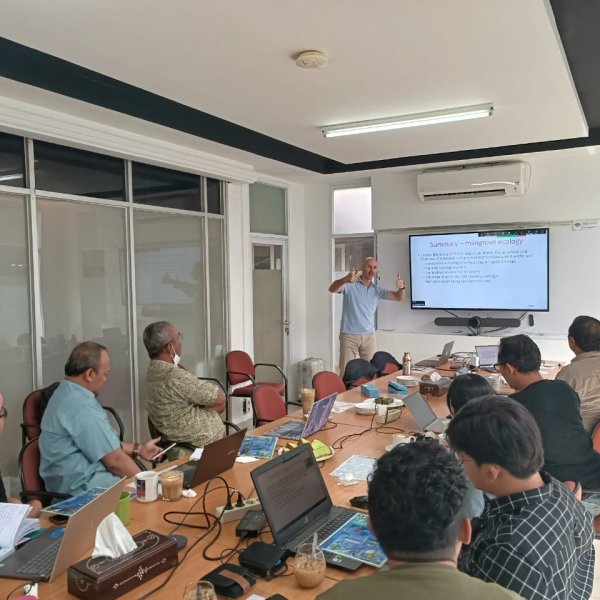
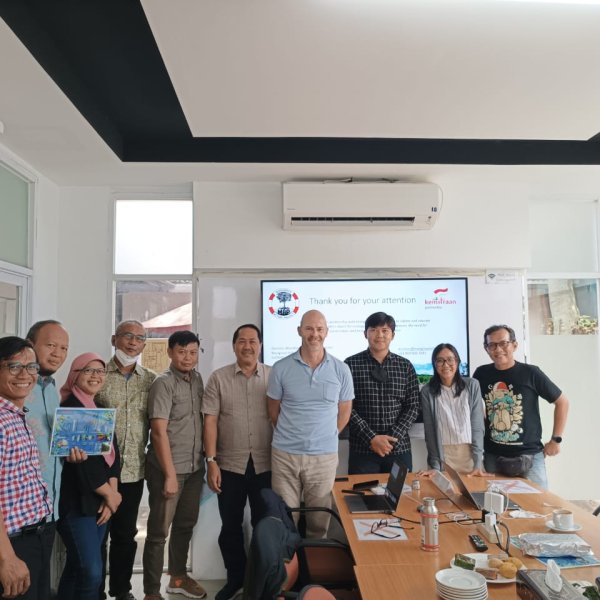
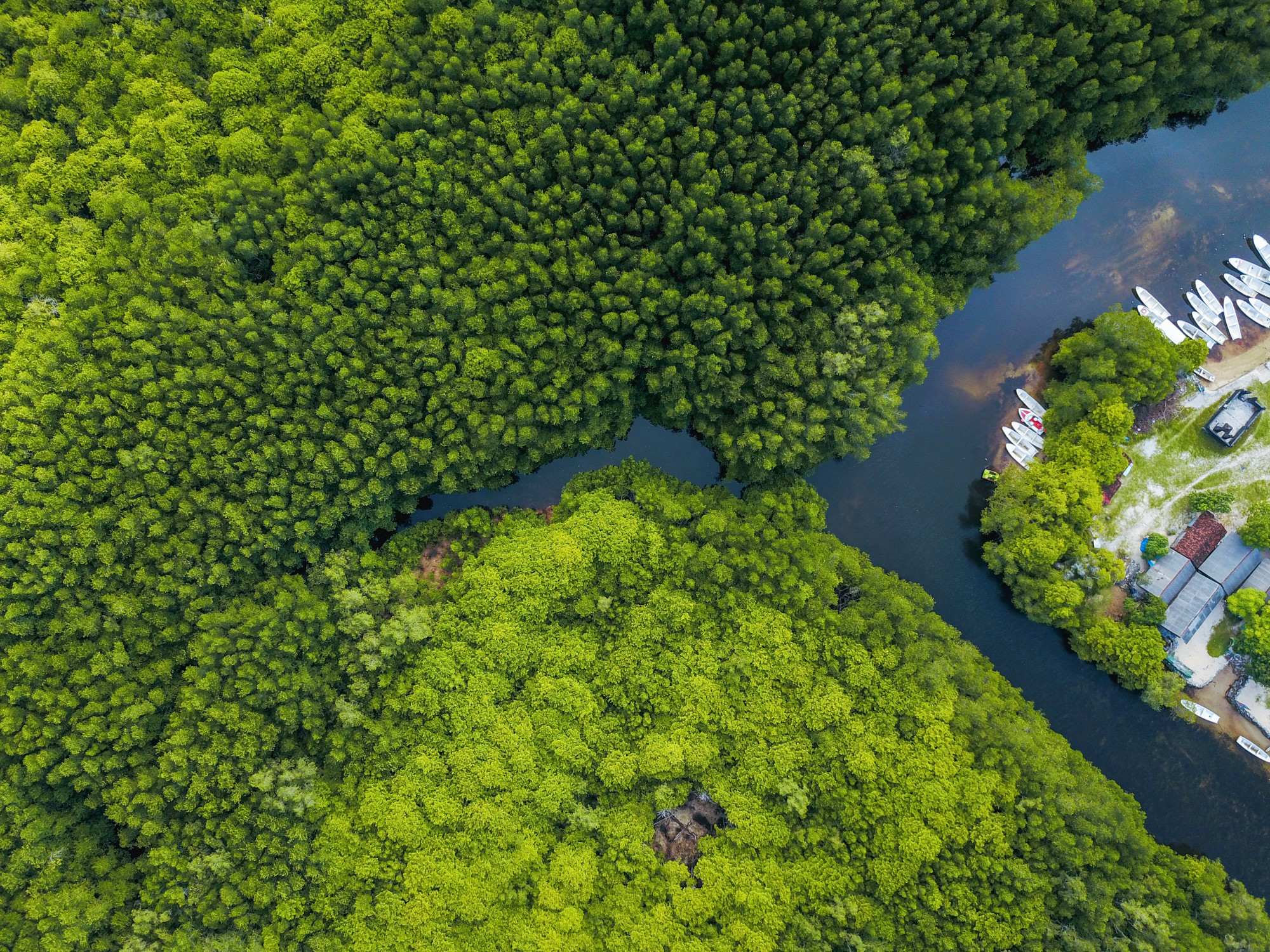
Goal: MAP was delighted to have the opportunity to meet officers of Kemitraan to share an introduction to mangrove biology, ecology, possible conservation measures and the fundamentals of mangrove restoration
Partners: Kemitraan partnership
Partners
Kemitraan partnership

Shared core knowledge on mangrove biology and ecology with Kemitraan staff

Introduced conservation strategies and restoration fundamentals relevant to community-based work.

Strengthened collaboration and technical understanding between MAP and Kemitraan officers
What we did
Participants learned why many restoration projects underperform—often due to poor site selection, incorrect species–site matching, and inadequate understanding of hydrology or ecological requirements. The session also presented examples of MAP’s work, including a case studies from Kenya, illustrating how improving hydrology and removing stressors can successfully trigger natural regeneration.
The training concluded that effective mangrove restoration requires a holistic, community-centered approach, emphasizing conservation before planting, protecting key seed trees, reducing wood-use pressures, and integrating social considerations into project design. The CBEMR method, presented as a structured framework, highlighted the importance of understanding site conditions, engaging stakeholders, planning collaboratively, and prioritizing natural regeneration over extensive planting. Overall, participants gained practical insights into the ecological and social dimensions of restoration and left with more precise guidance for designing, implementing, and monitoring mangrove conservation initiatives in their respective regions.
Interested in working with us?
Get in touch with us at dominic@mangroveactionproject.org
Related work
- Read more about Enhancing Community-Led Restoration in the Gulf of Guayaquil
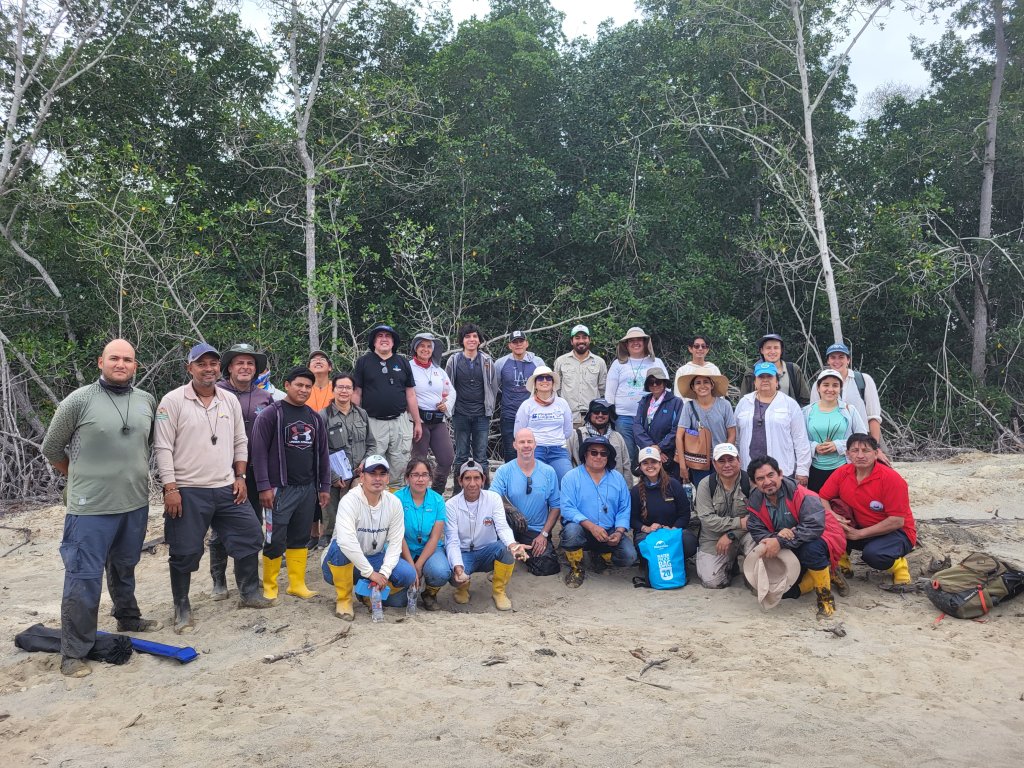
Enhancing Community-Led Restoration in the Gulf of Guayaquil
Location: Guayaquil, Ecuador Date: August 2023 Goal: Train participants in the CBEMR approach to enhance mangrove restoration efforts in Guayaquil…
- Read more about From Theory to Practice: Enhancing Restoration through CBEMR
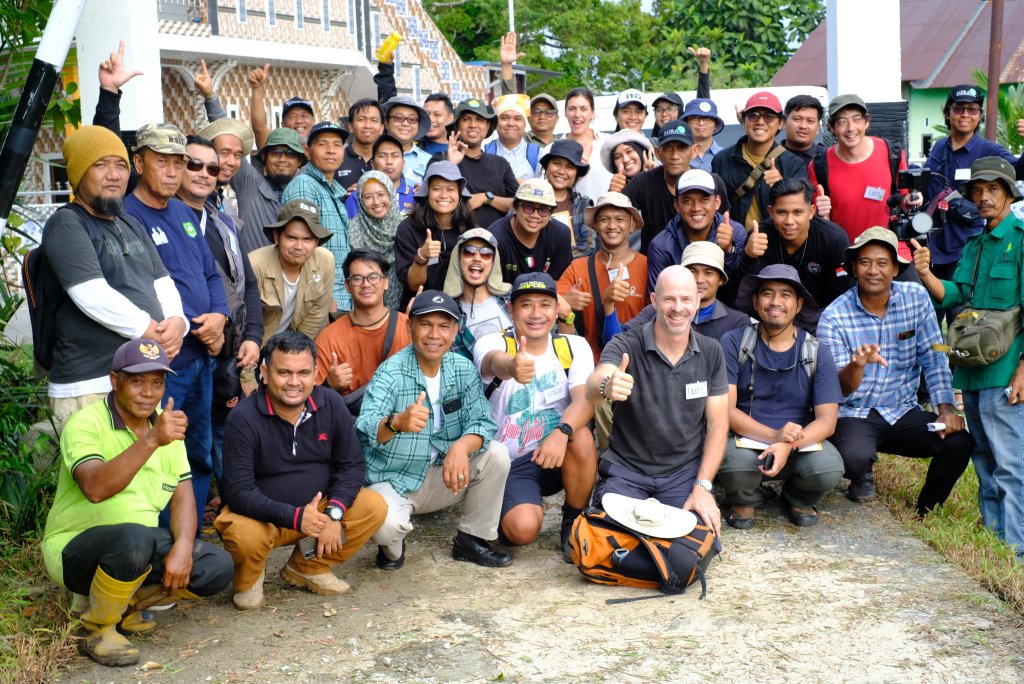
From Theory to Practice: Enhancing Restoration through CBEMR
Location: Bengkalis Island, Indonesia Timeline: October 2023 Goal: The training aimed to enhance participants’ knowledge and skills in Community-Based Ecological…
- Read more about Restoring vital ecosystems in Kenya
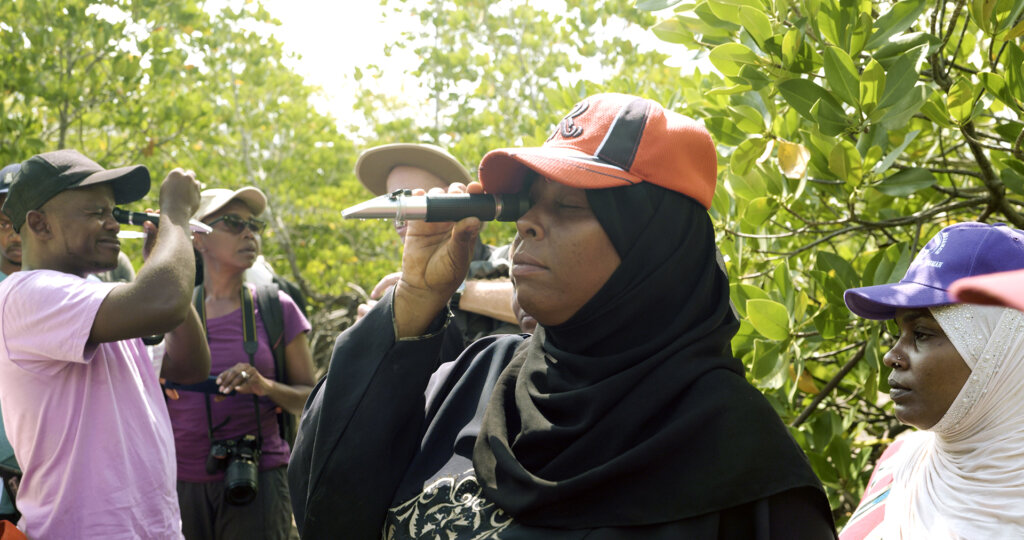
Restoring vital ecosystems in Kenya
Location: Kenya Timeline: 28th Feb - 21st March 2022 Goal: To share the knowledge and tools for restoring mangroves: a vital…
- Read more about Delivering mangrove restoration best practices in the Bahamas
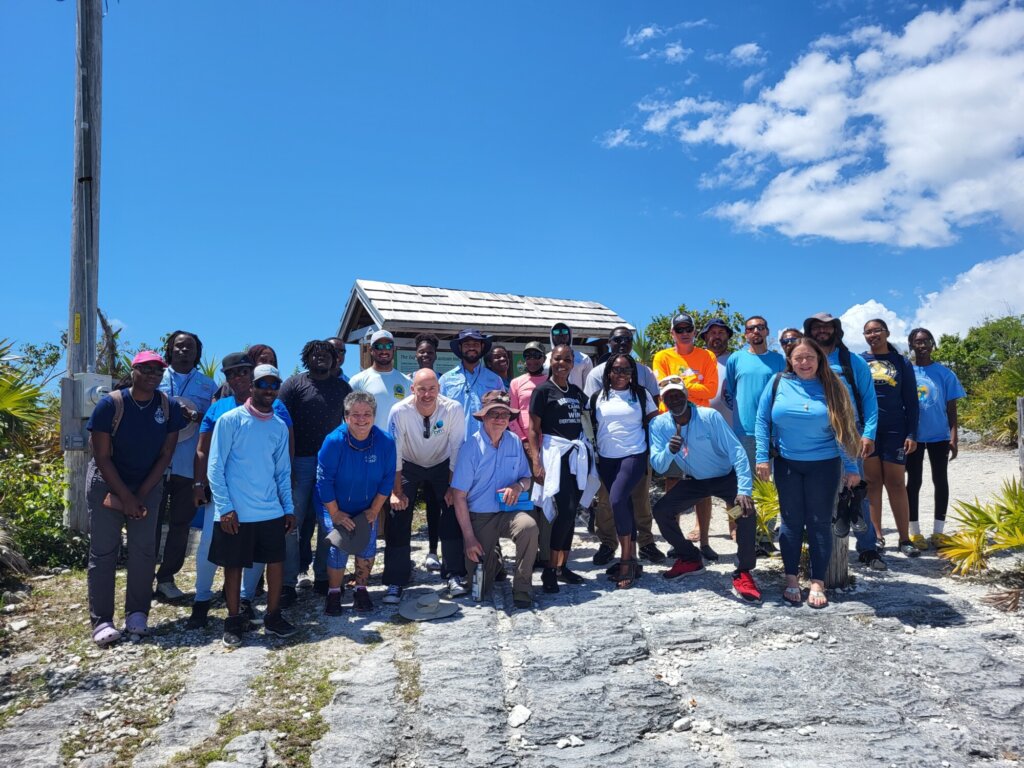
Delivering mangrove restoration best practices in the Bahamas
Location: Bahamas Timeline: March - April 2023 Goal: To support local mangroves restoration efforts and implement best practices for future…
- Read more about Fostering a sustainable network in Honduras
Fostering a sustainable network in Honduras
Location: Honduras Timeline: February 2015 Goal: To work collaboratively with local officials to persuade local villagers and village leaders to reduce…
- Read more about Empowering Communities for Mangrove Restoration
Empowering Communities for Mangrove Restoration
Location: Si Kao, Trang, Thailand Date: January 2013 Goal: Two local communities had a shared goal to convert and restore…
- Read more about Restoring Hope: CBEMR’s Role in Post-Hurricane Recovery
Restoring Hope: CBEMR’s Role in Post-Hurricane Recovery
Location: Bahamas Timeline: April 2022 Goal: The workshop aimed to enhance participants' skills and knowledge in mangrove management and restoration…