Regional training workshop: Mangrove ecosystem in the Guiana
Location: Coronie, Suriname
Dates: 6th – 9th May 2019
Goal: Networking among key-stakeholders for collaboration, communication, and exchange of relevant and reliable information and data amongst the three territories in the Guianas for Mangrove conservation and restoration.
Partners
WWF


Exchange of regional data and information among participants from Suriname, Guyana and French Guiana.

Participants strengthen understanding across restoration initiatives in the Guianas.

Strengthened networking and collaboration, promoting long-term communication and joint action for mangrove management
What we did
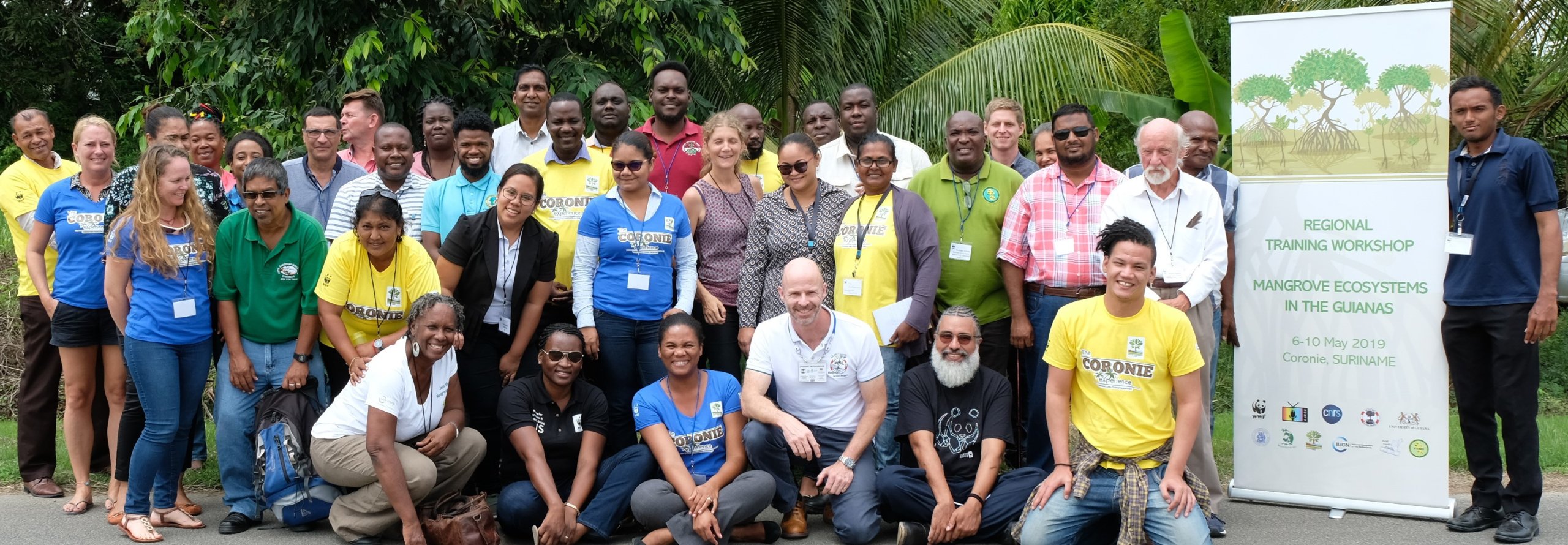
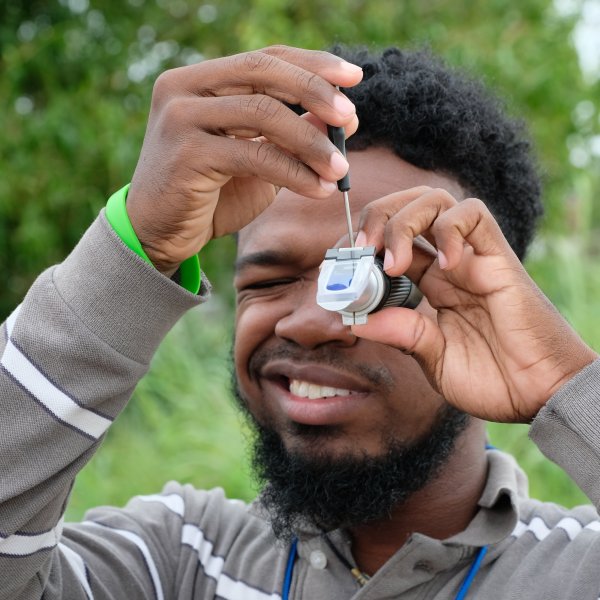
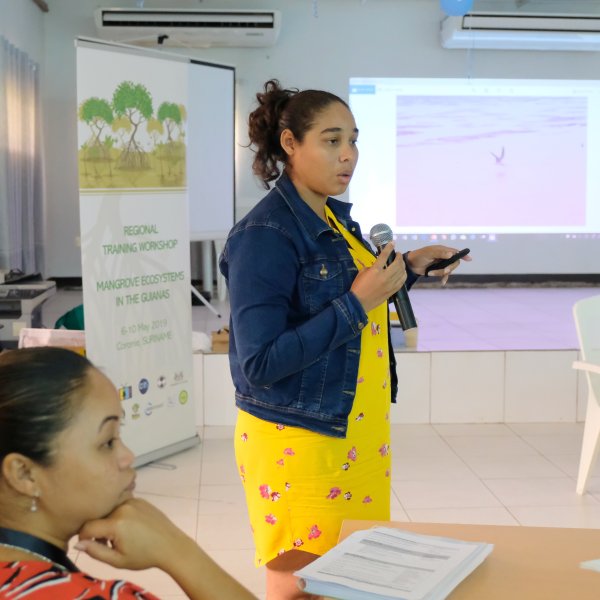
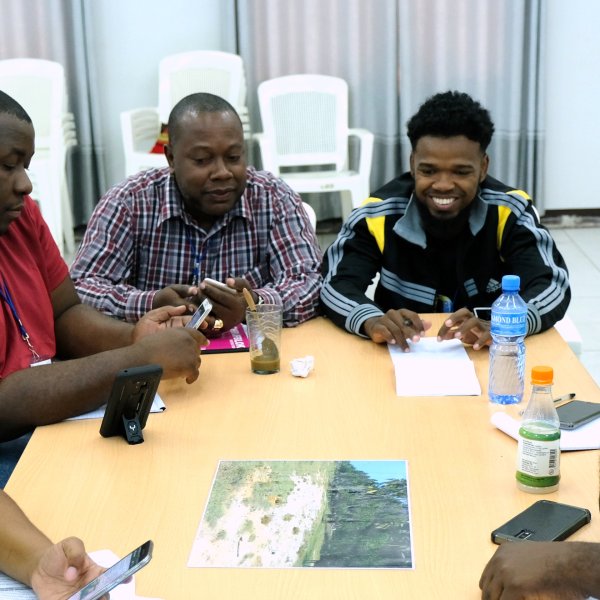
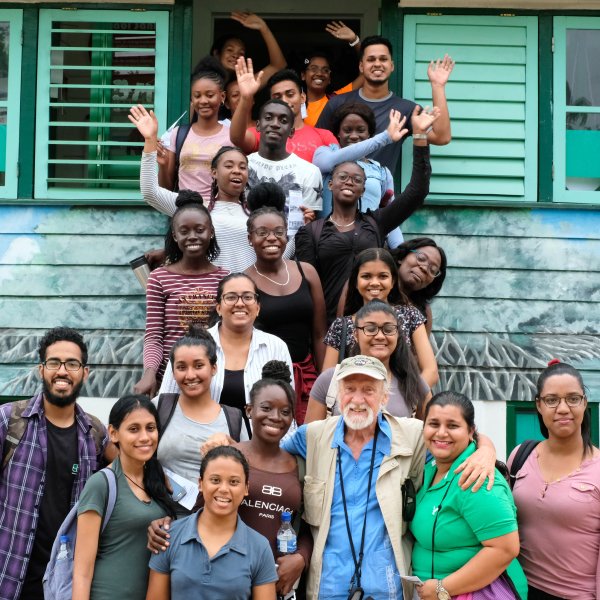
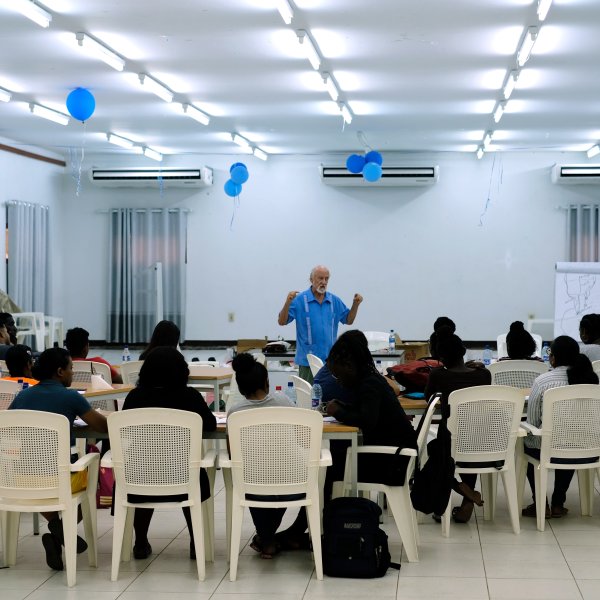
WWF Guianas together with Stichting SORTS Suriname and the Mangrove Action Project (MAP) organized a five day Guianas Regional Mangrove Ecosystems Training Workshop in Coronie Suriname. Over 25 participants from Suriname, Guyana and French Guyana attended the training, representing NGOs, Government, Universities, local communities and entrepreneurs, CSOs, the private sector, and more. The training programme consisted of a mix of both theoretical and practical field sessions led by subject experts from the region and other countries.
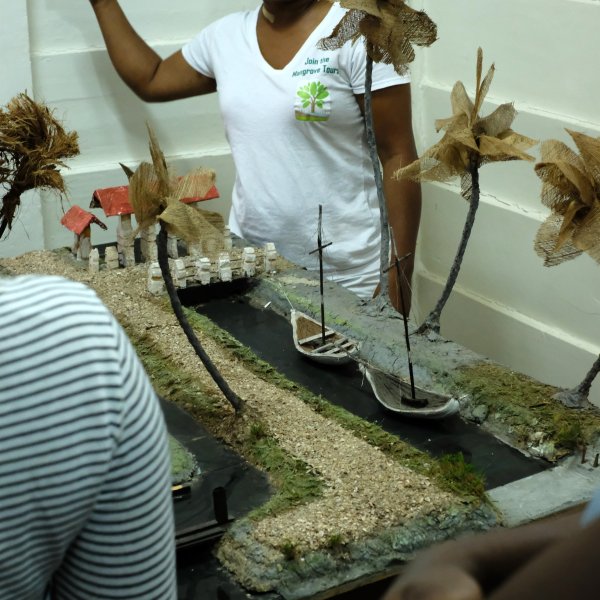
The workshop addressed the growing need for hands-on, practical training in mangrove ecology, coastal dynamics, and community-based restoration approaches. Through a structured programme blending expert presentations, case studies, and interactive discussions, participants explored topics such as mangrove functions and values, restoration challenges, coastal hydrodynamics, and mangrove-based livelihoods.
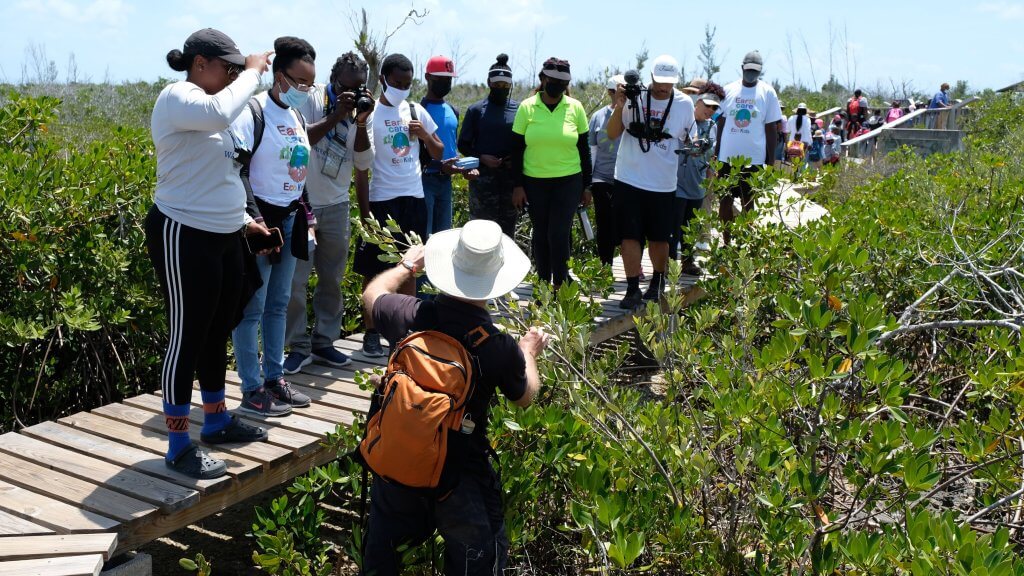
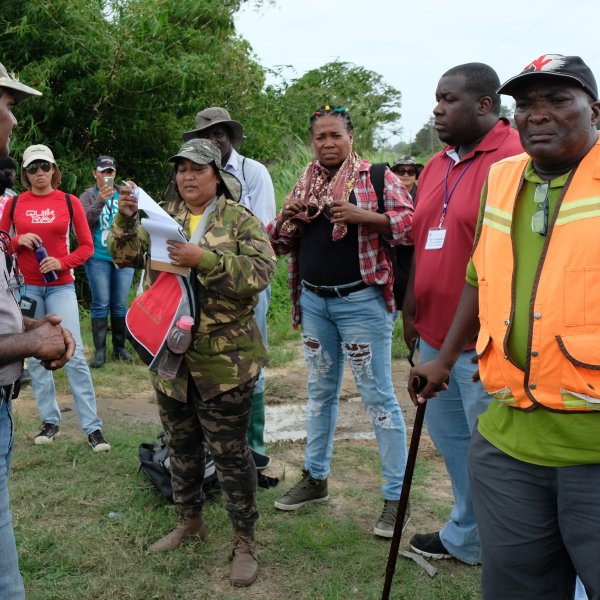
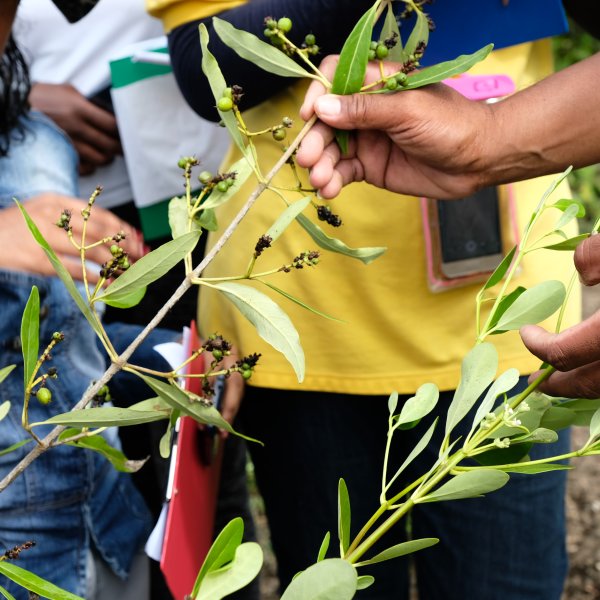
Field sessions in Coronie and Weg naar Zee provided direct exposure to erosion zones, hydrological issues, natural regeneration patterns, and both successful and failed restoration interventions. These on-site demonstrations deepened participants’ understanding of how ecological and social factors shape restoration outcomes.
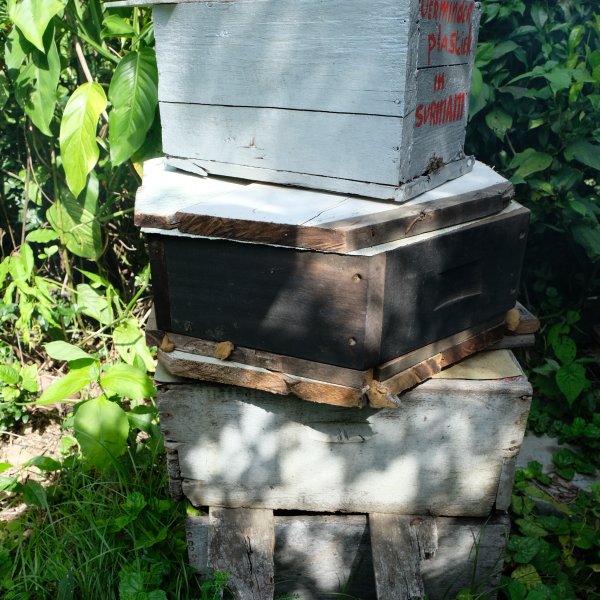
The workshop concluded with strengthened regional collaboration, clearer restoration strategies, and a shared recognition of the importance of integrating scientific, community, and governance perspectives in mangrove management. Participants left with improved technical knowledge of CBEMR principles, including species zoning, the role of hydrology, and monitoring requirements. They also gained insight into livelihood opportunities, such as ecotourism and beekeeping, that can support conservation efforts in coastal communities. The overall conclusion of the workshop was that successful mangrove restoration in the Guianas requires a coordinated, ecosystem-based approach supported by reliable data exchanges, stakeholder networks, and practical field-based learning that bridges science and local experience.
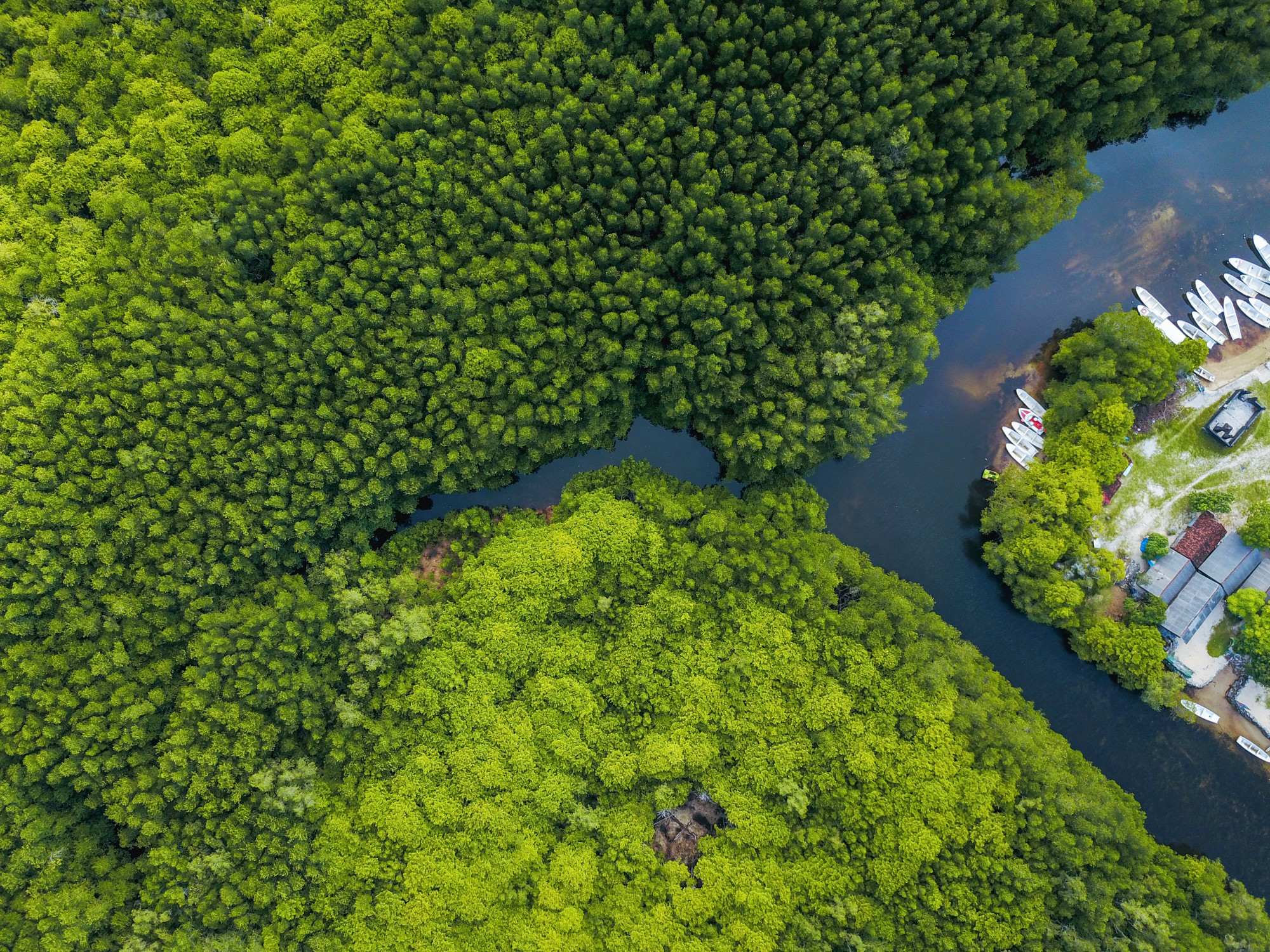
Interested in working with us?
Get in touch with us at dominic@mangroveactionproject.org
Related work
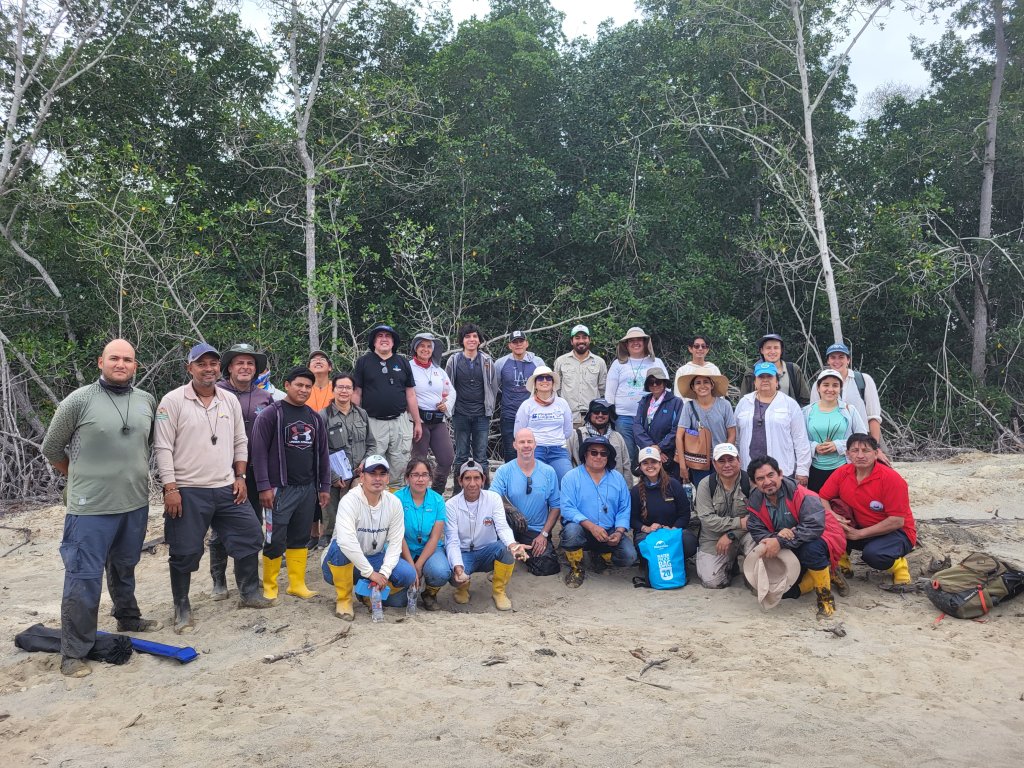
- Read more about Enhancing Community-Led Restoration in the Gulf of Guayaquil
Enhancing Community-Led Restoration in the Gulf of Guayaquil
Location: Guayaquil, Ecuador Date: August 2023 Goal: Train participants in the CBEMR approach to enhance mangrove restoration efforts in Guayaquil…
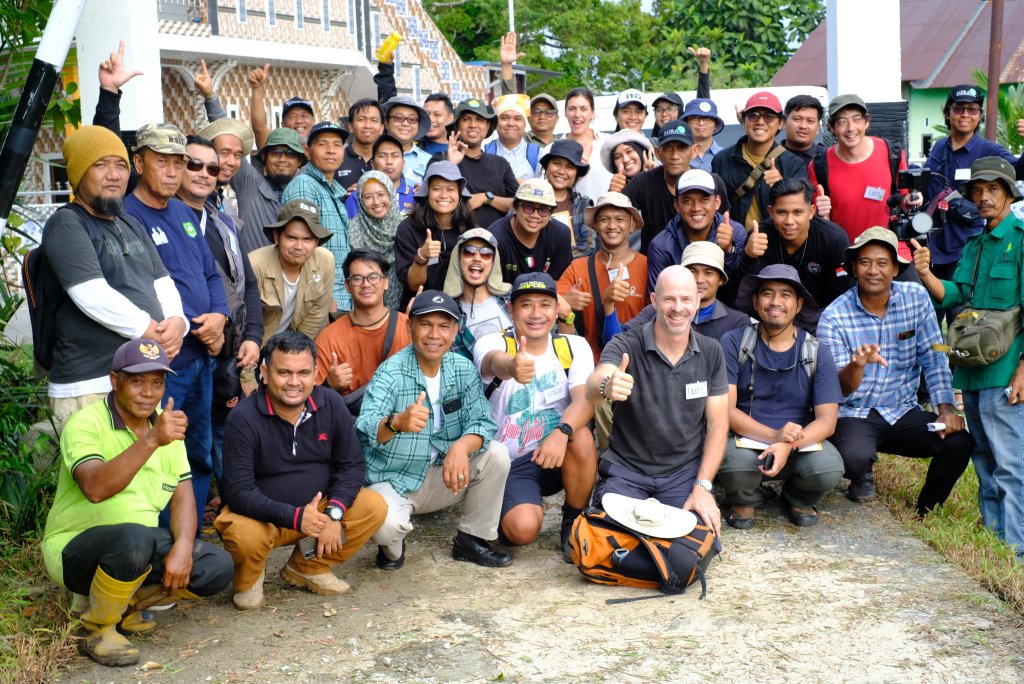
- Read more about From Theory to Practice: Enhancing Restoration through CBEMR
From Theory to Practice: Enhancing Restoration through CBEMR
Location: Bengkalis Island, Indonesia Timeline: October 2023 Goal: The training aimed to enhance participants’ knowledge and skills in Community-Based Ecological…
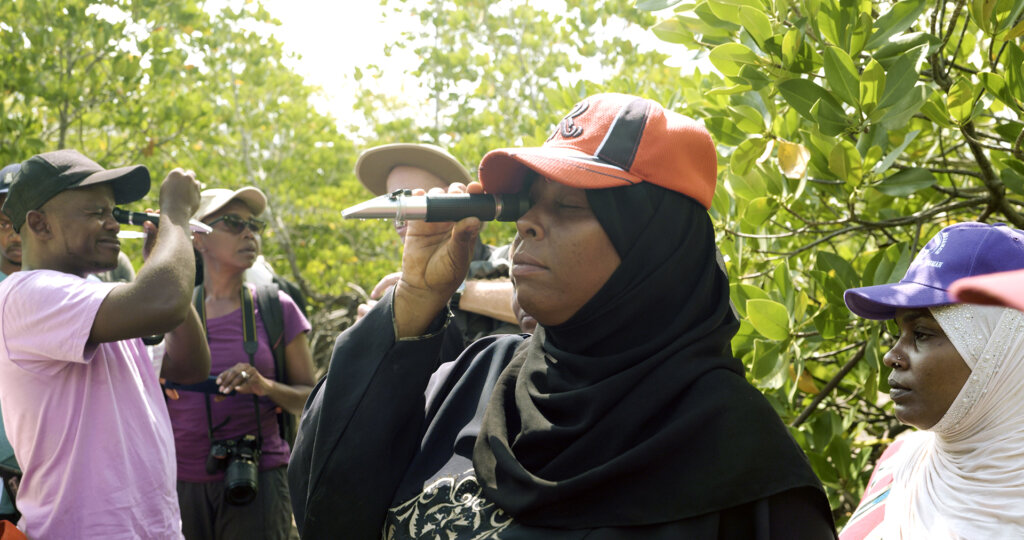
- Read more about Restoring vital ecosystems in Kenya
Restoring vital ecosystems in Kenya
Location: Kenya Timeline: 28th Feb - 21st March 2022 Goal: To share the knowledge and tools for restoring mangroves: a vital…
- Read more about Delivering mangrove restoration best practices in the Bahamas
Delivering mangrove restoration best practices in the Bahamas
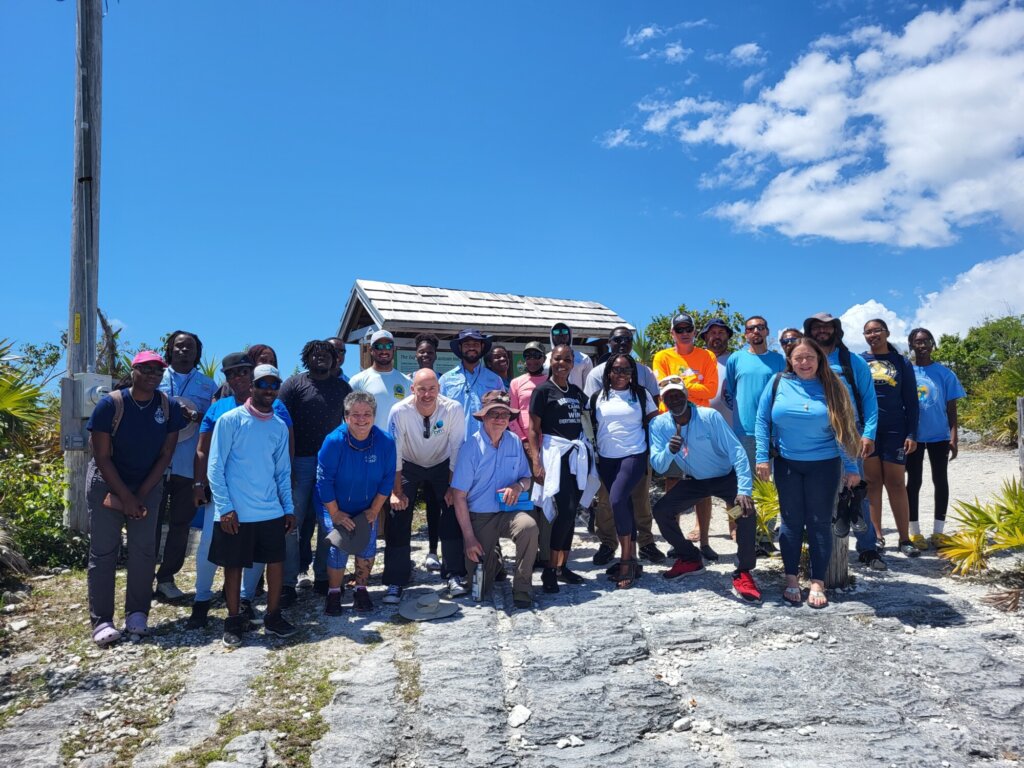
Location: Bahamas Timeline: March - April 2023 Goal: To support local mangroves restoration efforts and implement best practices for future…
- Read more about Fostering a sustainable network in Honduras
Fostering a sustainable network in Honduras
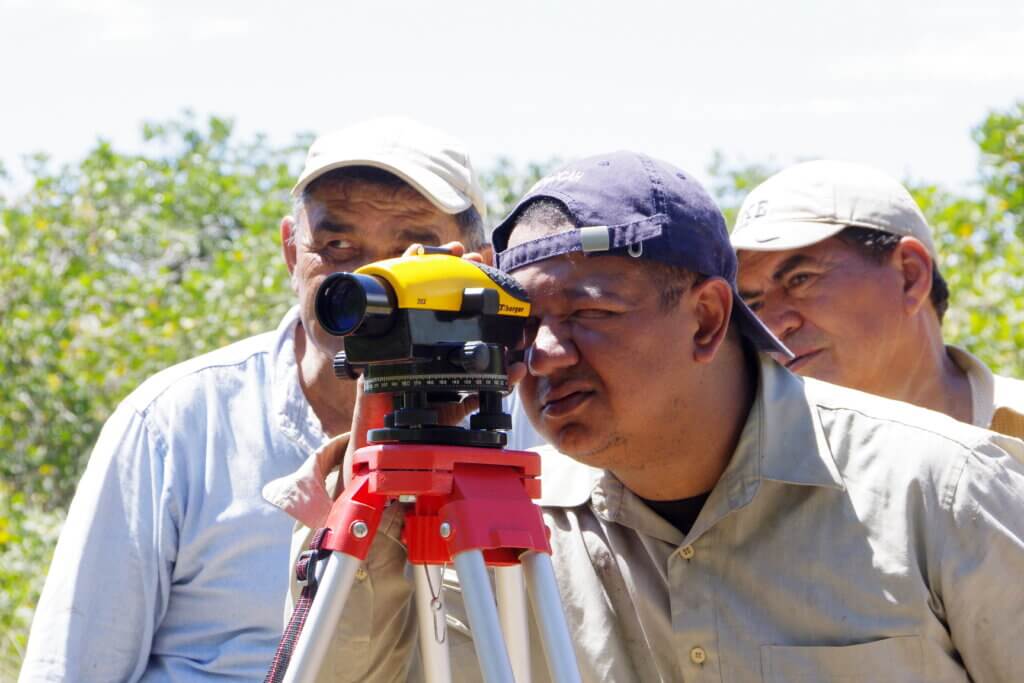
Location: Honduras Timeline: February 2015 Goal: To work collaboratively with local officials to persuade local villagers and village leaders to reduce…
- Read more about Empowering Communities for Mangrove Restoration
Empowering Communities for Mangrove Restoration
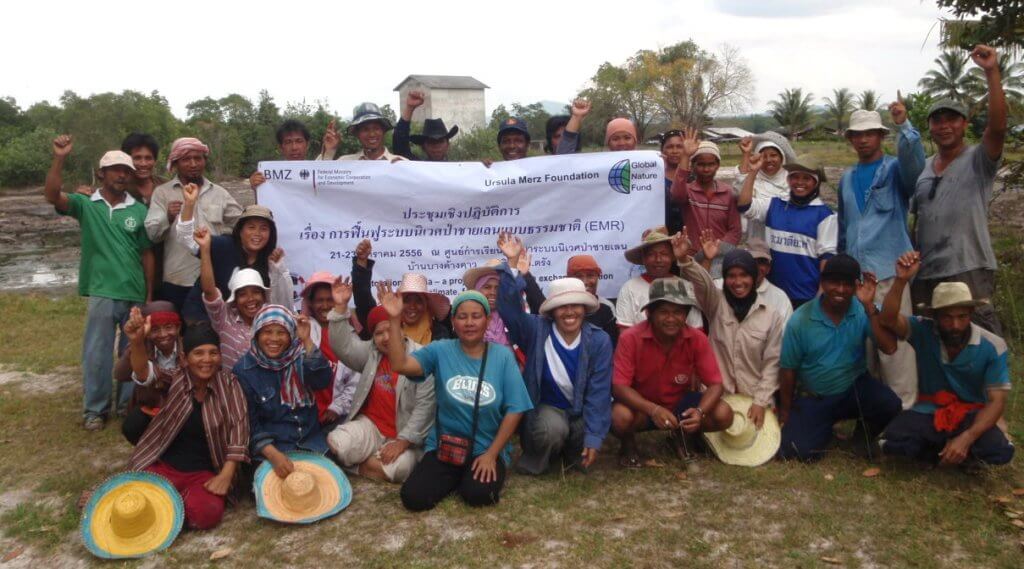
Location: Si Kao, Trang, Thailand Date: January 2013 Goal: Two local communities had a shared goal to convert and restore…
- Read more about Restoring Hope: CBEMR’s Role in Post-Hurricane Recovery
Restoring Hope: CBEMR’s Role in Post-Hurricane Recovery
Location: Bahamas Timeline: April 2022 Goal: The workshop aimed to enhance participants' skills and knowledge in mangrove management and restoration…