Strengthening of mangrove restoration networks in Fiji
Location: Labasa, Fiji
Dates: 7th – 15th April 2025
Goal: Develop and improve Fijian environmental networks of WWF staff, community groups, and local stakeholders, and encourage the formation of a network of practitioners to conserve and restore mangroves using the CBEMR method effectively.
Partners
WWF


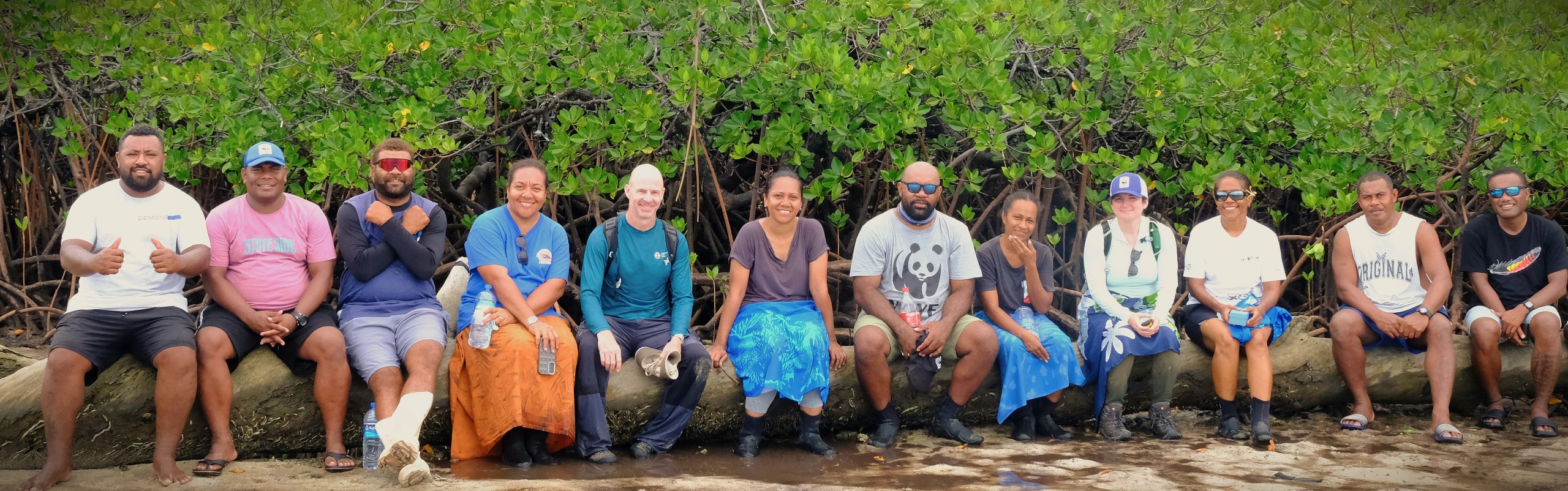
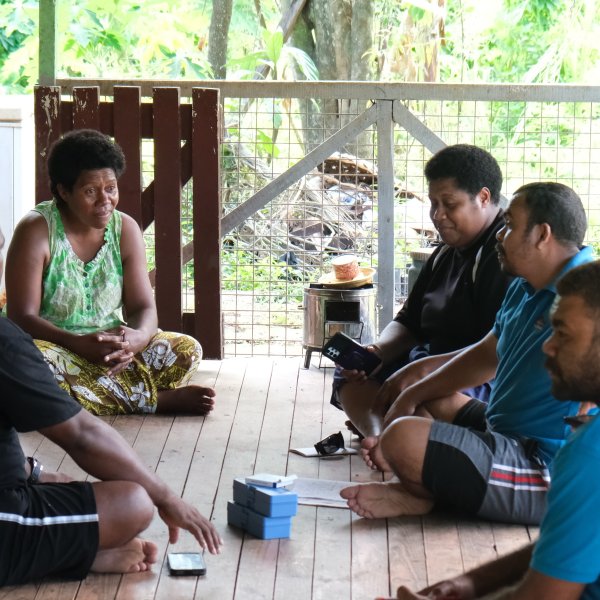
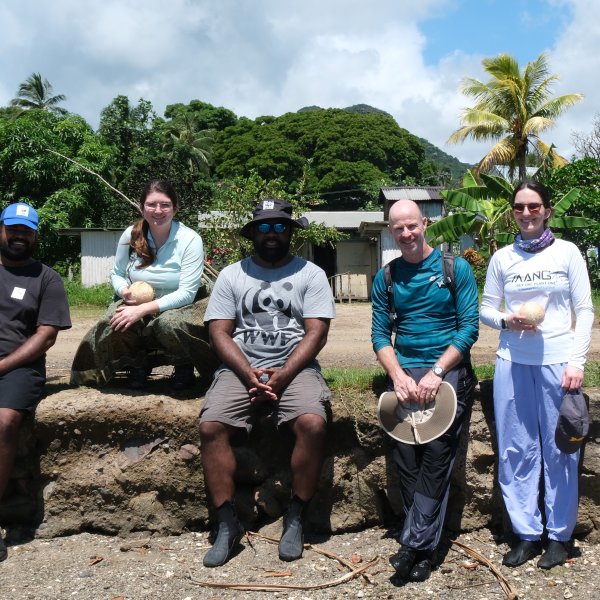
Participants share their efforts on mangrove conservation in the region

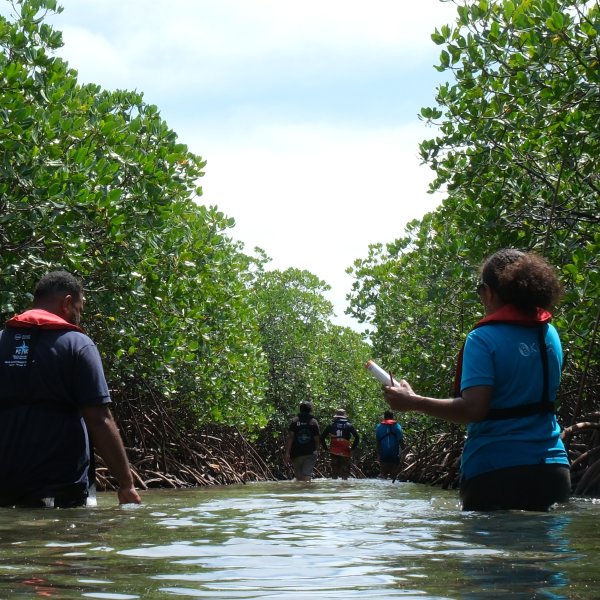
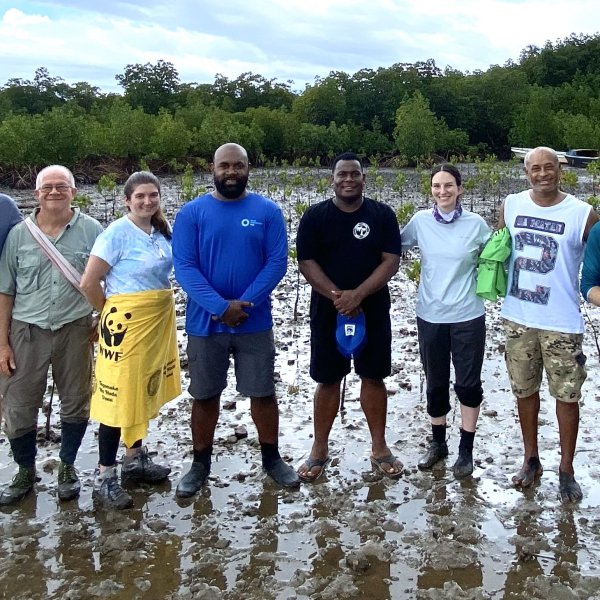
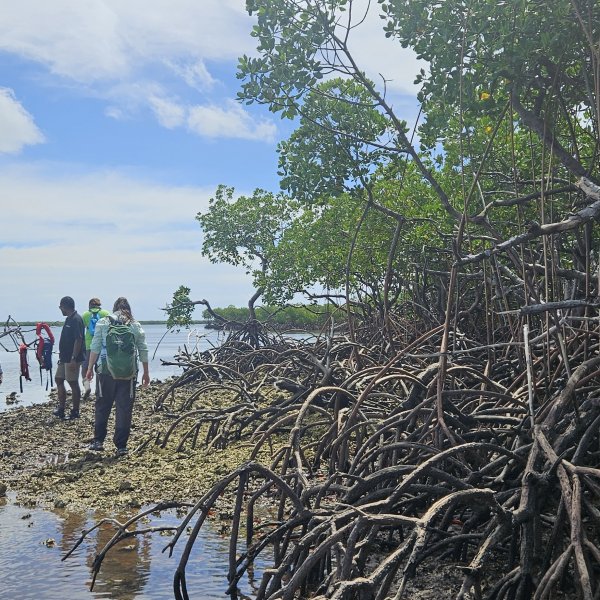
Potential restoration sites were visited for site-specific restoration suggestions

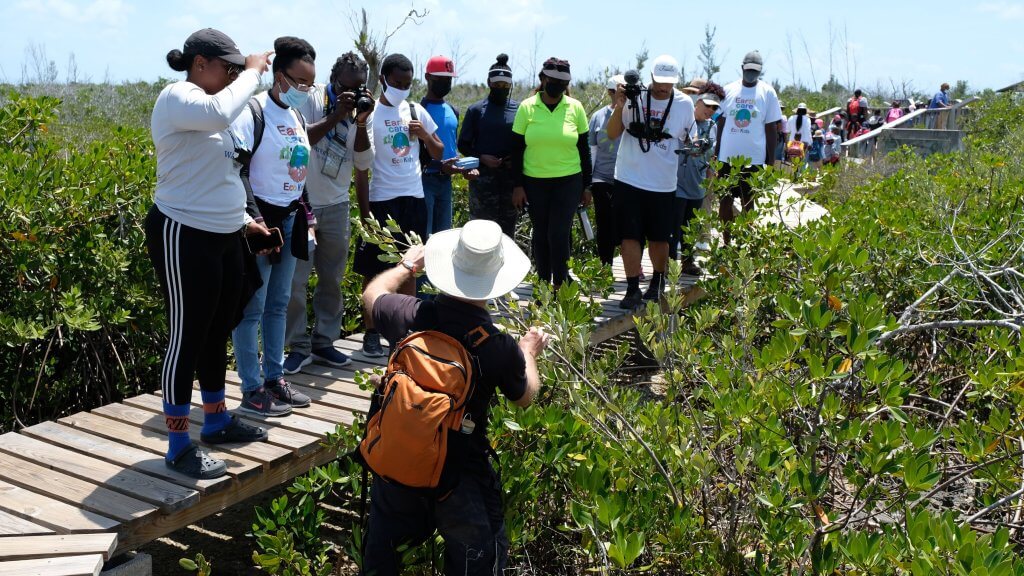
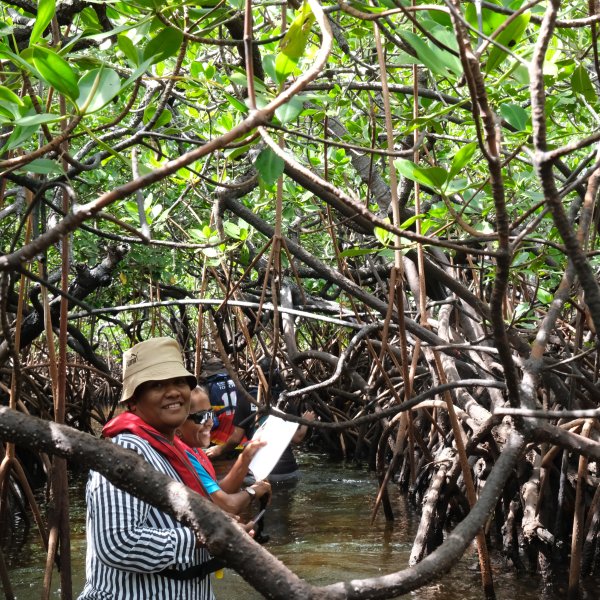
Participants gained hands-on experience in mangrove restoration, hydrological assessments, and monitoring techniques
What we did
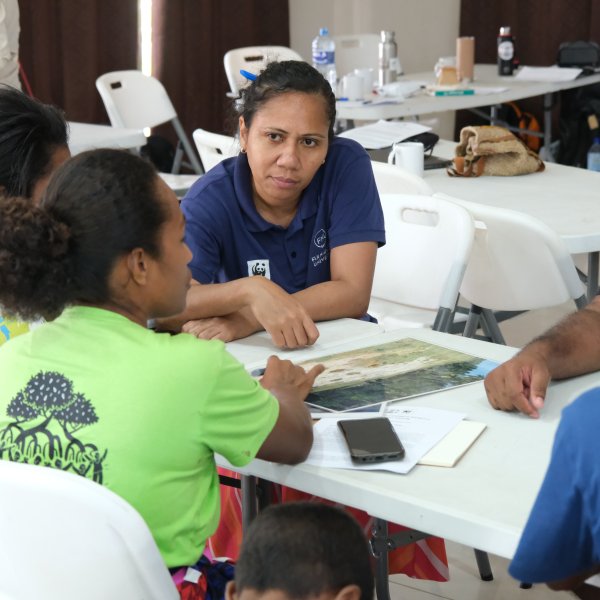
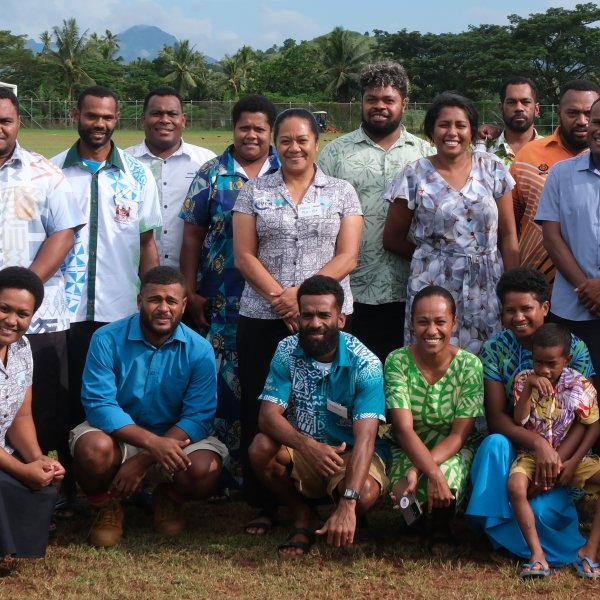
WWF has been operational in Suva, Fiji’s capital for nearly three decades and works across more than 10 working sites around the country. From a ‘Guardian’ newspaper article, “Between 2000 and 2018, a study found that 120 hectares of mangroves were destroyed by tourism development in Ba province.” WWF-Pacific is tackling these challenges head-on by promoting sustainable practices, engaging local communities, and integrating traditional knowledge to protect Fiji’s stunning biodiversity and build a resilient future. In collaboration with WWF Fiji, MAP held a workshop on Community-based Ecological Mangrove Restoration (CBEMR). The training included a five-day theory workshop for 19 participants from government agencies, NGOs, CSOs, and the private sector, followed by a three-day field component to reinforce concepts through hands-on experience, and visit potential restoration areas to site-specific suggestions.
The first part of the workshop featured photo-based presentations, guest lectures from the WWF and the C3 team, small-group discussions, interactive exercises, videos, field visits, and participant-led presentations. Topics included CBEMR principles, site selection, and the socio-environmental challenges of mangrove restoration.
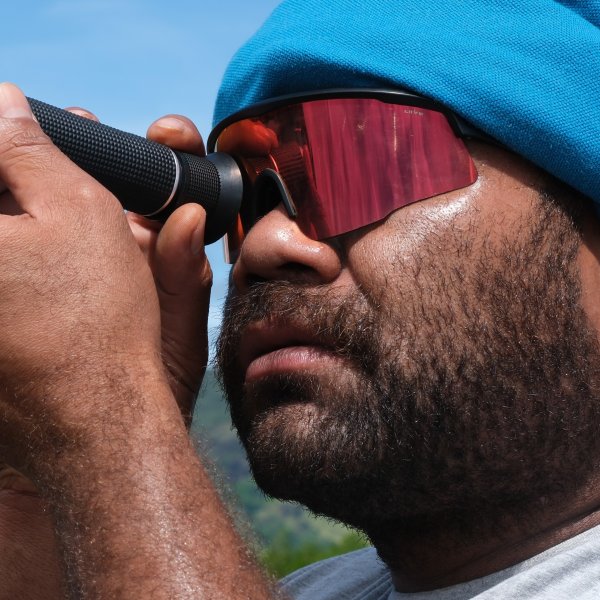
The field component focused on site assessments and restoration planning in Vuo and Sasa villages. Participants conducted transect surveys, measuring elevation changes, species composition, and site features using GPS mapping. Practical sessions also covered budgeting for restoration grants and planning for long-term site monitoring and maintenance.
By integrating scientific knowledge with community engagement, the training helped participants design practical, site-specific restoration strategies. The emphasis on social agreements, exclusion measures, and participatory planning highlighted the importance of local collaboration in successful mangrove rehabilitation. The workshop laid the groundwork for future restoration efforts, equipping participants with the tools needed to implement and sustain mangrove restoration projects in Fiji.
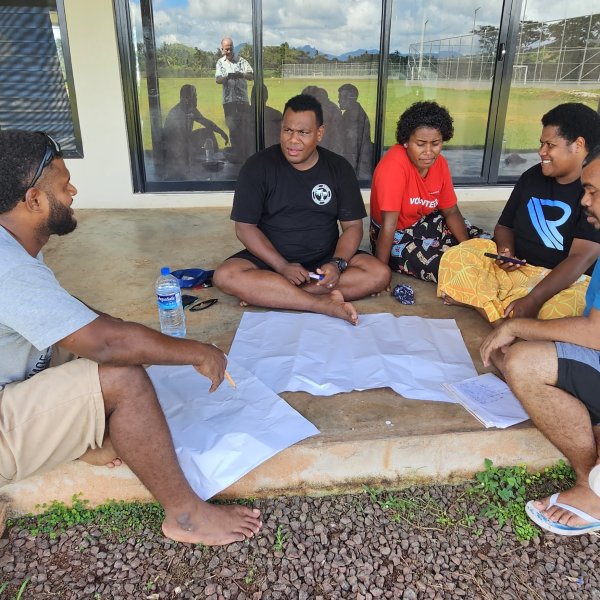
“Engaging with many community members in the project and to make sure there's an understanding within the leaders and people in the community to help in conserving our mangroves.”- Anonymous participant
“After this mangrove-focused training, especially one that integrates both social and biophysical aspects, I could expect several positive changes in the community over time such as: increasing environmental awareness, improved community participation, better data and decision making, economic opportunities, and climate resilience.” - Anonymous participant
Interested in working with us?
Get in touch with us at dominic@mangroveactionproject.org
Related work
- Read more about Enhancing Community-Led Restoration in the Gulf of Guayaquil
Enhancing Community-Led Restoration in the Gulf of Guayaquil
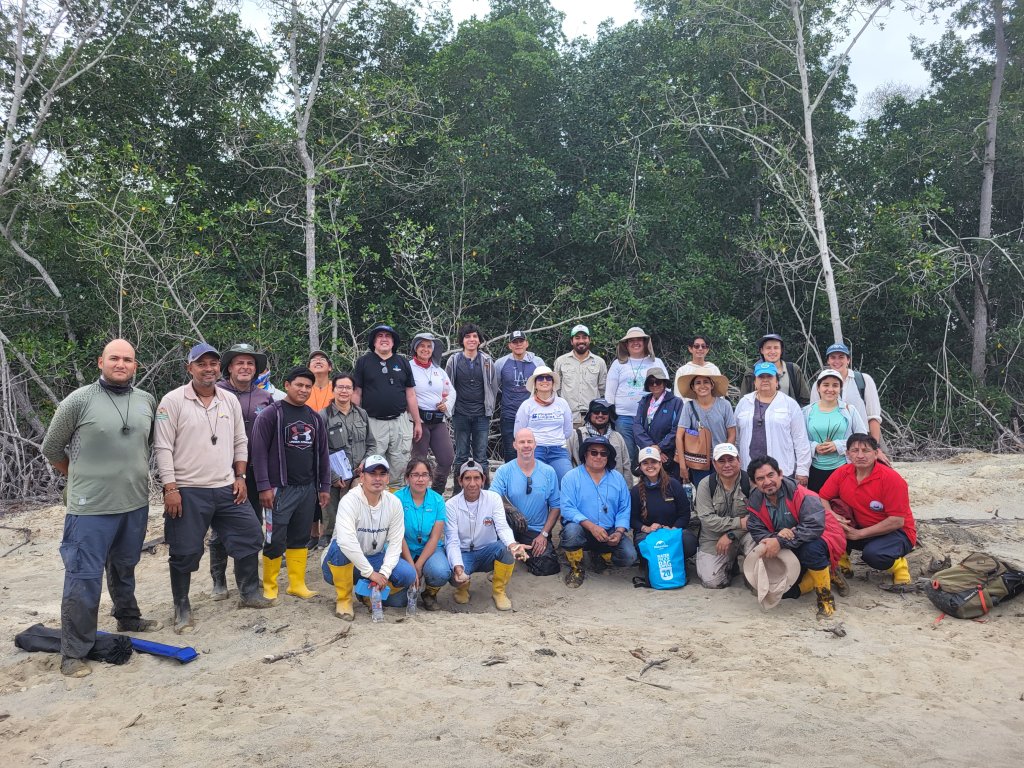
Location: Guayaquil, Ecuador Date: August 2023 Goal: Train participants in the CBEMR approach to enhance mangrove restoration efforts in Guayaquil…
- Read more about From Theory to Practice: Enhancing Restoration through CBEMR
From Theory to Practice: Enhancing Restoration through CBEMR
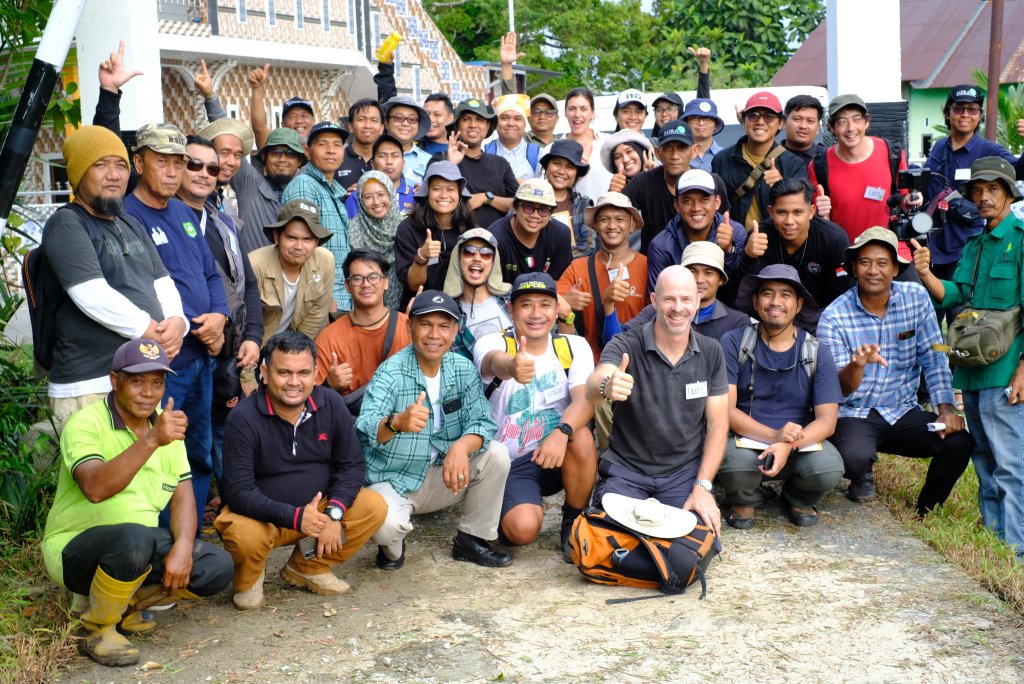
Location: Bengkalis Island, Indonesia Timeline: October 2023 Goal: The training aimed to enhance participants’ knowledge and skills in Community-Based Ecological…
- Read more about Restoring vital ecosystems in Kenya
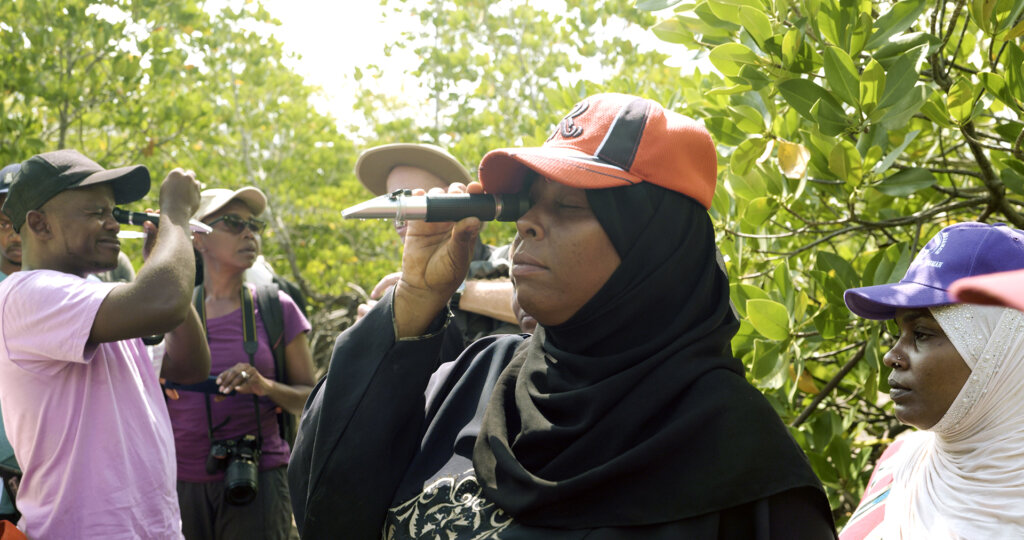
Restoring vital ecosystems in Kenya
Location: Kenya Timeline: 28th Feb - 21st March 2022 Goal: To share the knowledge and tools for restoring mangroves: a vital…
- Read more about Delivering mangrove restoration best practices in the Bahamas
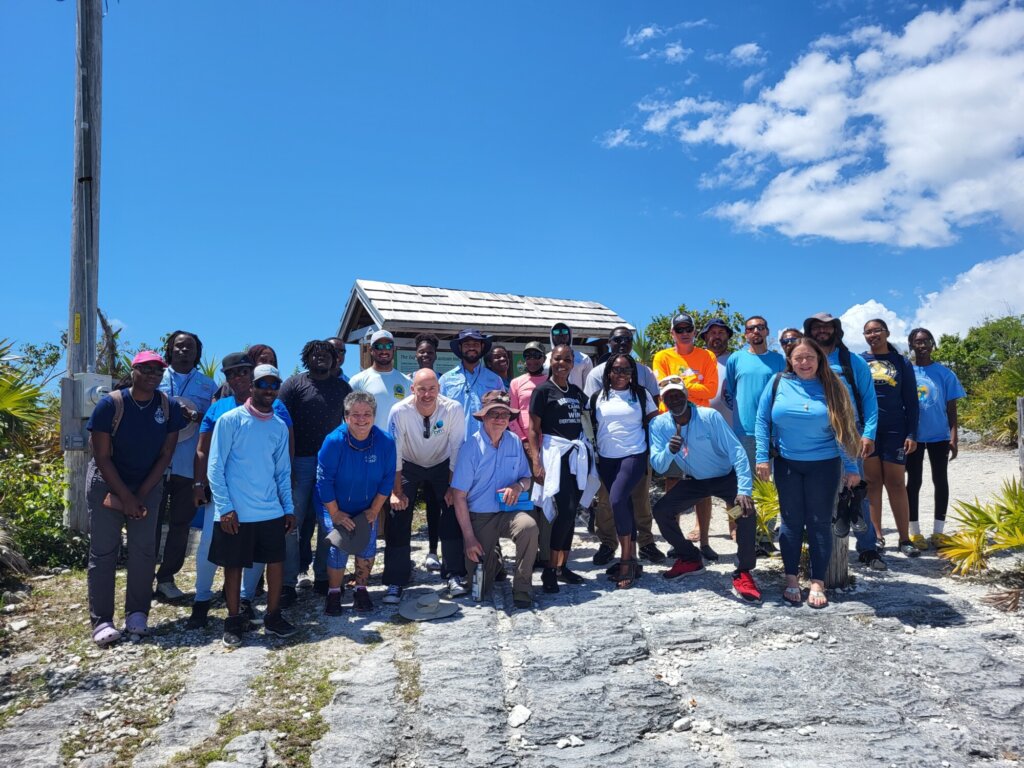
Delivering mangrove restoration best practices in the Bahamas
Location: Bahamas Timeline: March - April 2023 Goal: To support local mangroves restoration efforts and implement best practices for future…
- Read more about Fostering a sustainable network in Honduras
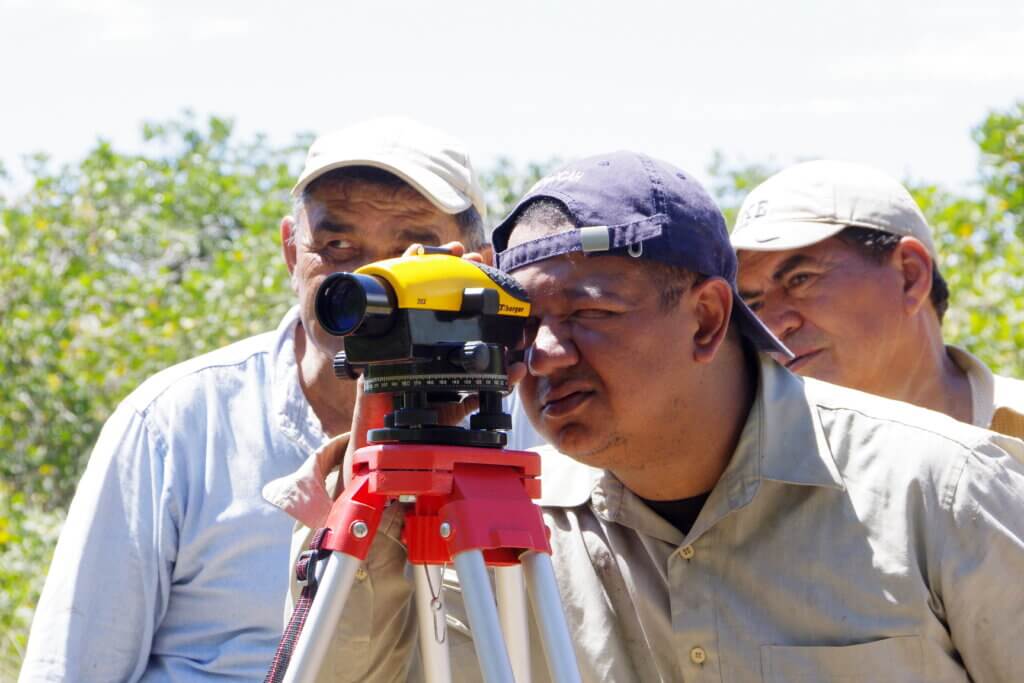
Fostering a sustainable network in Honduras
Location: Honduras Timeline: February 2015 Goal: To work collaboratively with local officials to persuade local villagers and village leaders to reduce…
- Read more about Empowering Communities for Mangrove Restoration
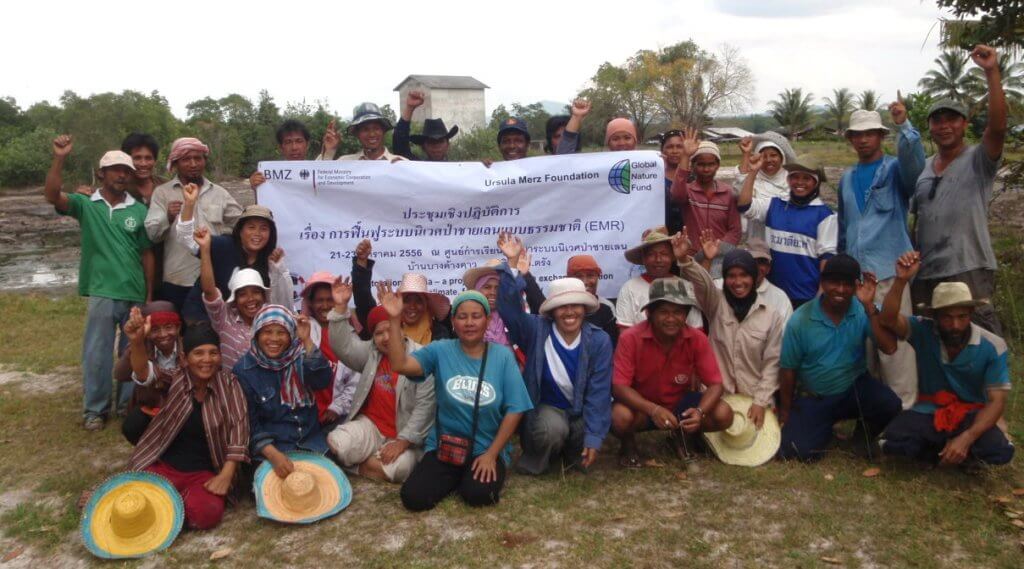
Empowering Communities for Mangrove Restoration
Location: Si Kao, Trang, Thailand Date: January 2013 Goal: Two local communities had a shared goal to convert and restore…
- Read more about Restoring Hope: CBEMR’s Role in Post-Hurricane Recovery
Restoring Hope: CBEMR’s Role in Post-Hurricane Recovery
Location: Bahamas Timeline: April 2022 Goal: The workshop aimed to enhance participants' skills and knowledge in mangrove management and restoration…