Tanzania for improved mangrove restoration and conservation
Location: Tanga, Tanzania
Dates: 5th – 9th September 2022
Goal: Train participants in the CBEMR approach and build networks to enhance mangrove restoration efforts in Tanzania and along the East African coast.
Partners
Sweden Sverige
DOB ecology

Wetlands International

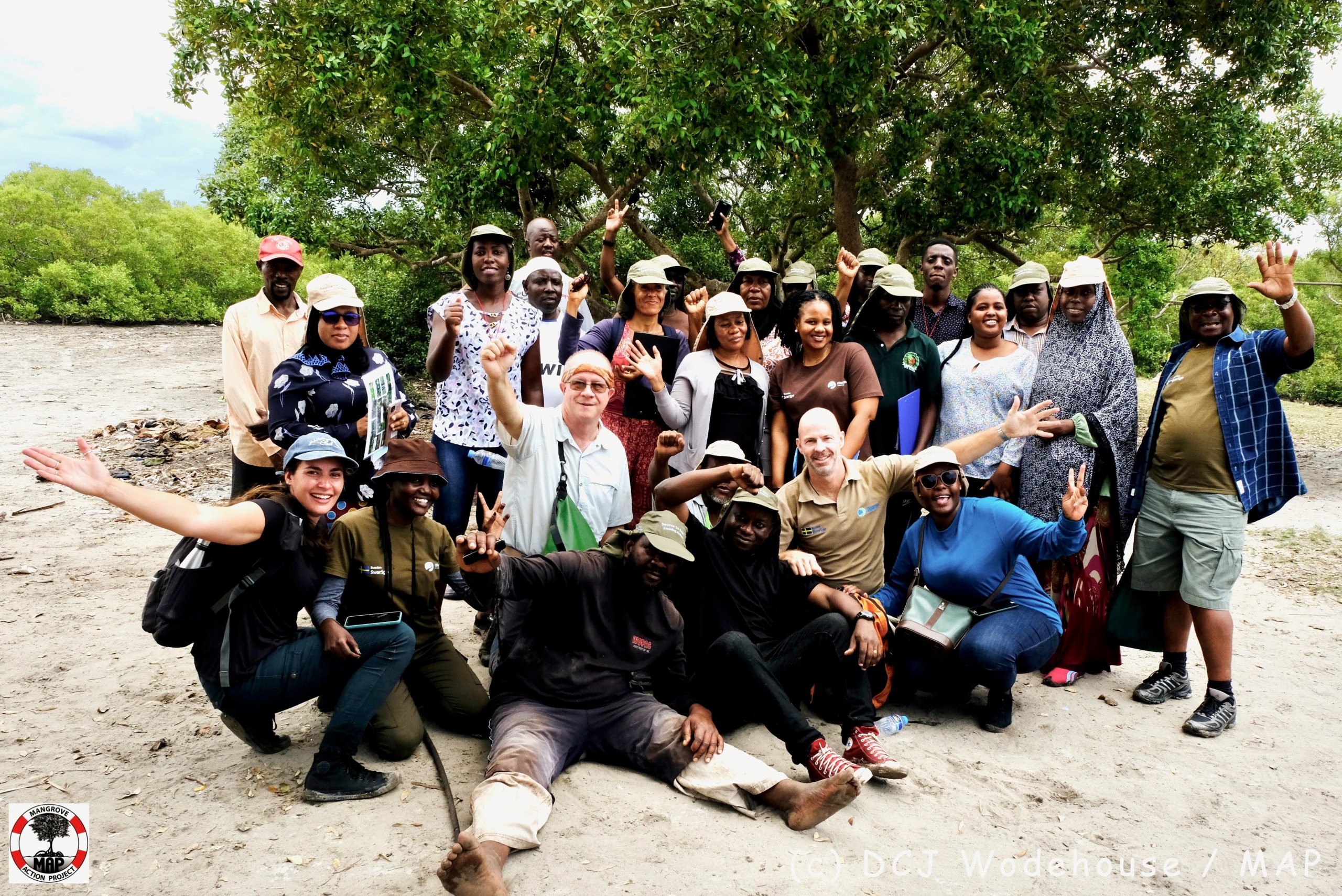
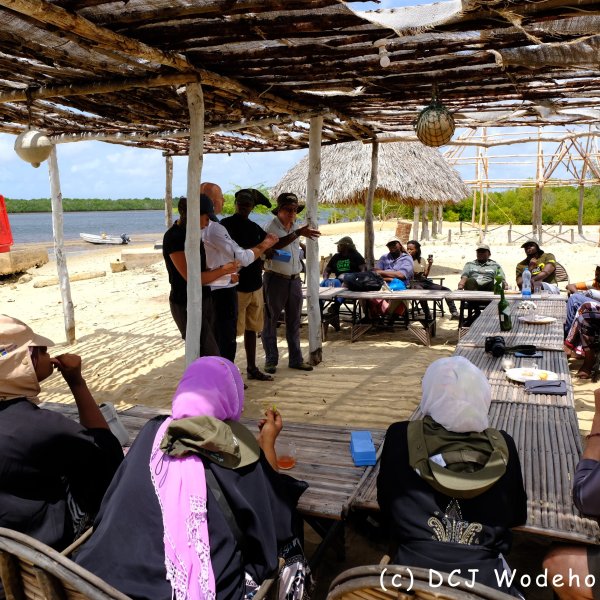
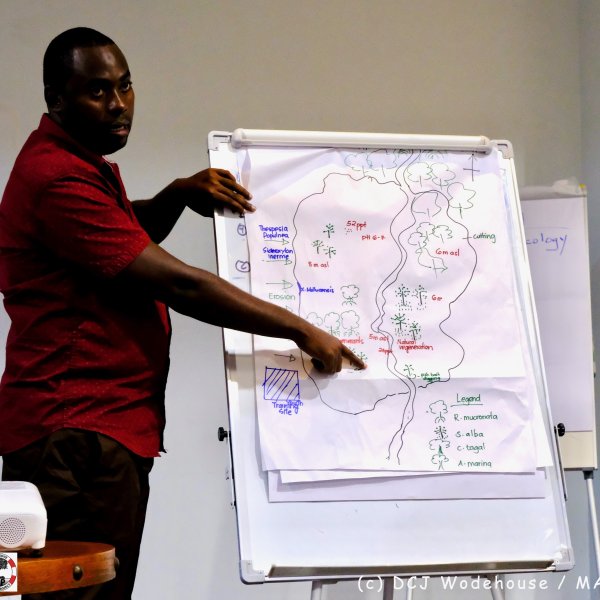
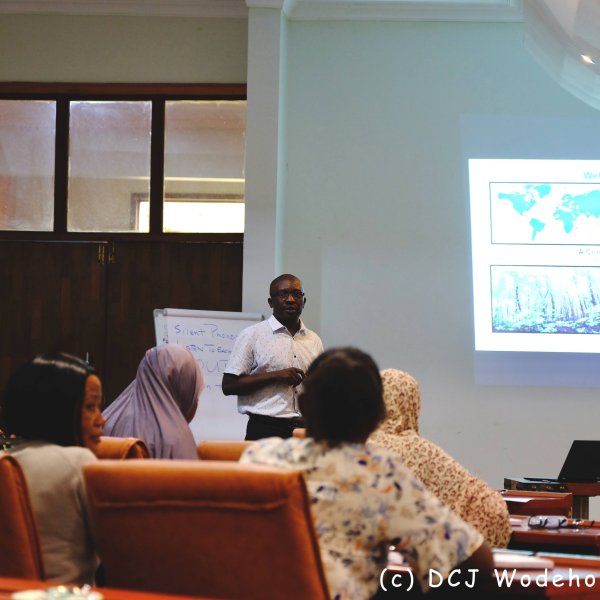
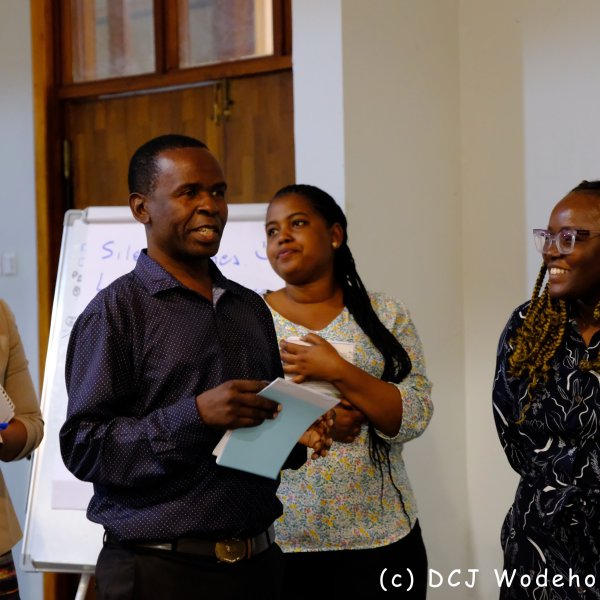
Participants share their experiences in nurseries, restoration, awareness of mangrove importance, and alternative livelihoods

Strengthened participants’ technical understanding by linking theory with practice

Strengthened participants’ technical understanding by linking theory with practice
What we did
The Tanzania coastal environment and its resources are extremely important and there is ongoing widespread degradation which threatens the mangroves including overexploitation and conversions to other land uses such as solar salt pans, aquaculture, agriculture, and urban expansion. Mangroves are also directly tied to the culture and heritage of the region with many structures, boats and other amenities being built with mangrove wood. In order to address these issues, Wetlands International Eastern Africa and Mangrove Action Project (MAP) conducted an in-depth mangrove restoration training using the Community-Based Ecological Mangrove Restoration (CBEMR) approach for local community associations, NGOs, forestry officers and government staff.
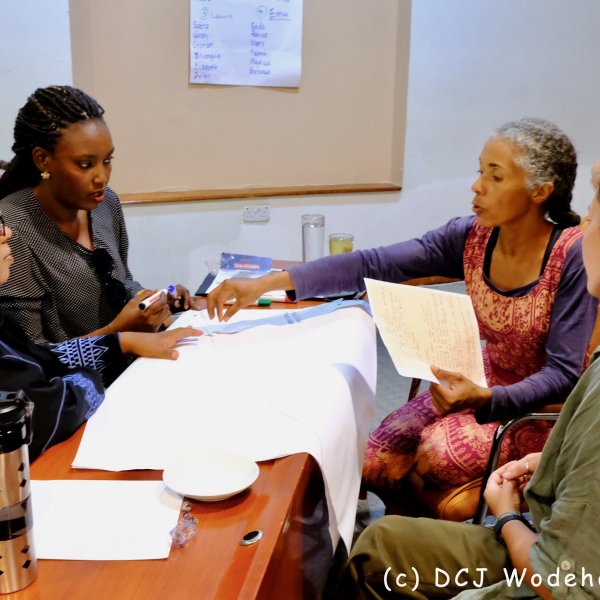
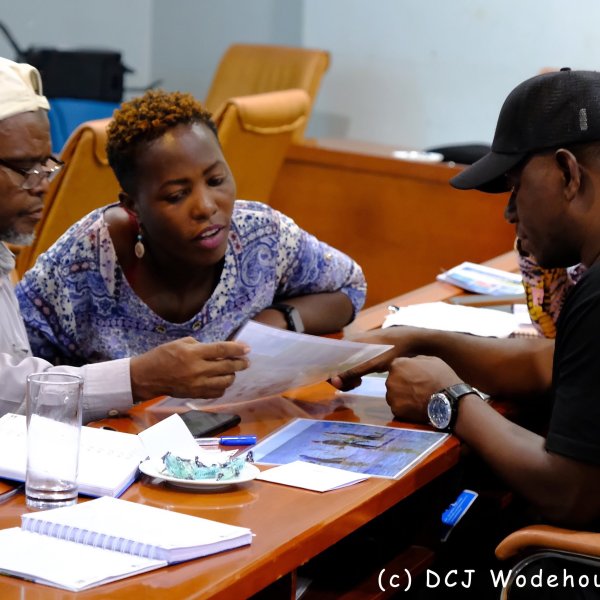
The workshop held in Tanga, Tanzania, aimed to strengthen local capacity for mangrove conservation and restoration using the Community-Based Ecological Mangrove Restoration (CBEMR) approach. Over five days, 24 participants received theoretical training in mangrove ecology, biological adaptations, hydrology, species zonation, and the ecological factors influencing natural regeneration. Classroom sessions, collaborative exercises, and technical demonstrations were combined to ensure that attendees understood both the scientific principles and the social dimensions required for successful restoration. Activities also included analyzing global examples of restoration failures, reviewing visual materials illustrating best practices, and discussing why projects often fail when hydrology and site conditions are not properly assessed.
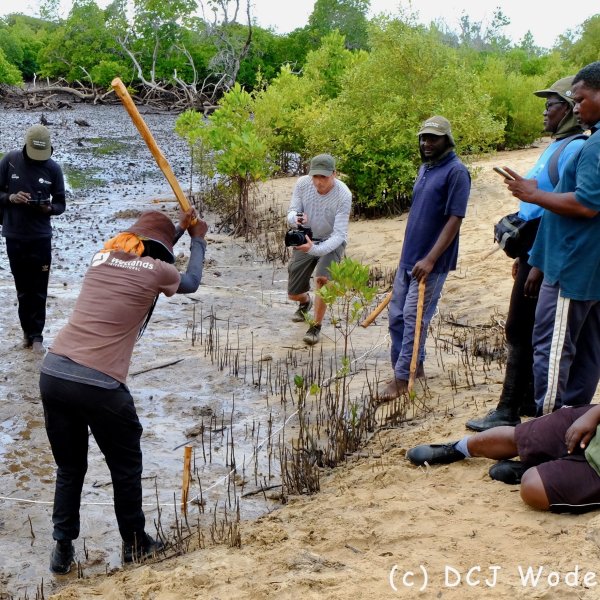
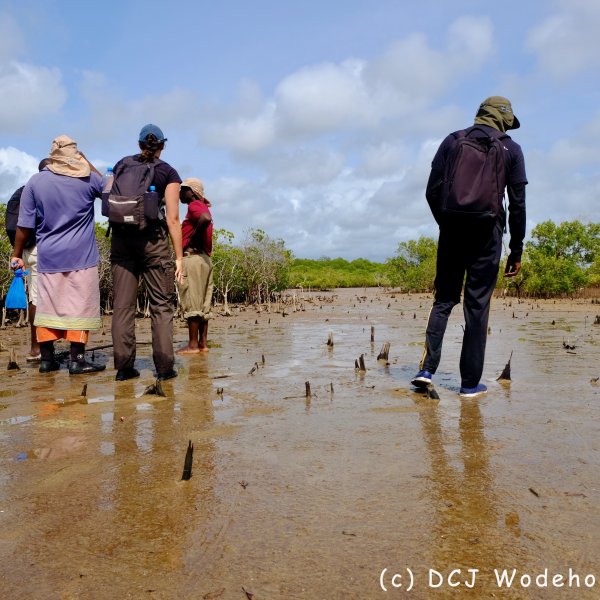
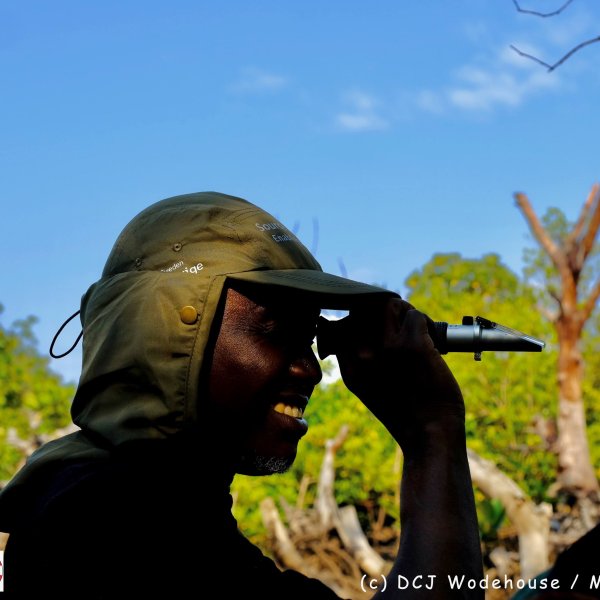
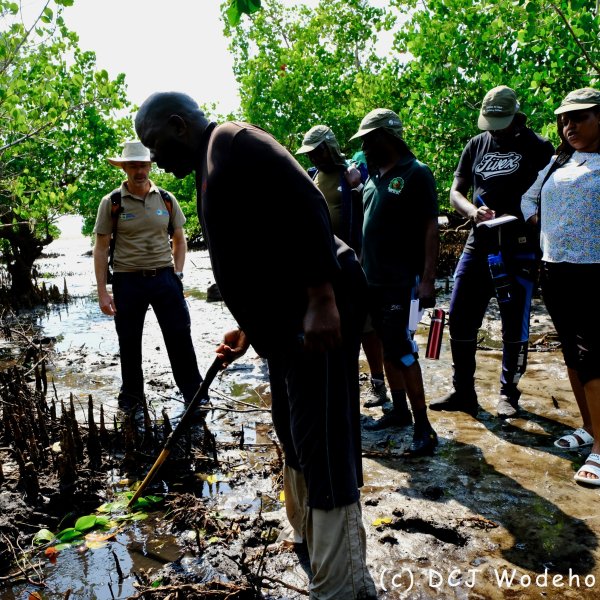
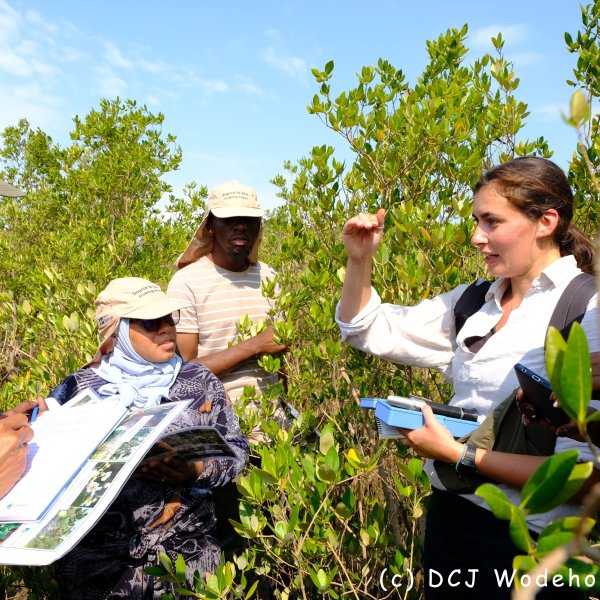
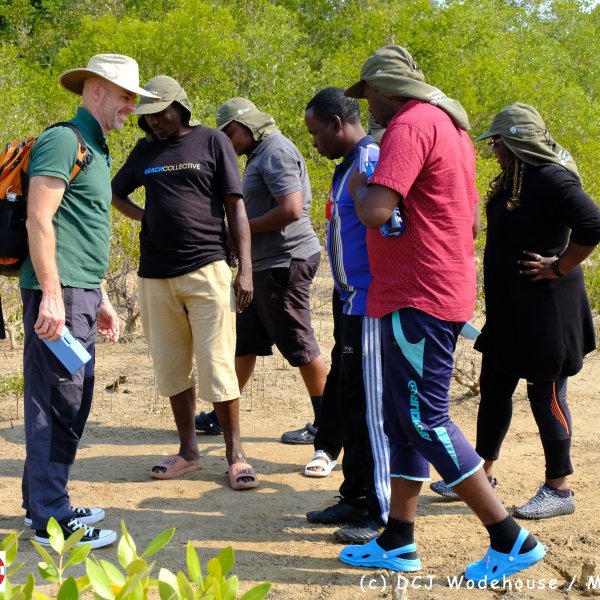
Multiple field visits allowed participants to observe mangrove stands in different ecological conditions, identify species, recognize natural zonation patterns, and assess local challenges such as hydrological disruption, salinity changes, land-use pressures, and community dependency on mangrove resources. Teams conducted practical site assessments, collected environmental and social data, drafted conceptual restoration plans, and presented their findings. By the end of the training, participants had gained a deeper understanding of the CBEMR process and improved skills to design, implement, and monitor effective mangrove restoration projects in their respective regions.
“The communities of Tanzania will have much better success with CBEMR”- Anonymous participant
“Now I realise it’s about restoring the whole mangrove and not just planting trees” - Anonymous participant
“This workshop went way beyond my expectations and has corrected my knowledge and skills in mangrove restoration”- Anonymous participant
Interested in working with us?
Get in touch with us at dominic@mangroveactionproject.org
Related work
- Read more about Enhancing Community-Led Restoration in the Gulf of Guayaquil
Enhancing Community-Led Restoration in the Gulf of Guayaquil
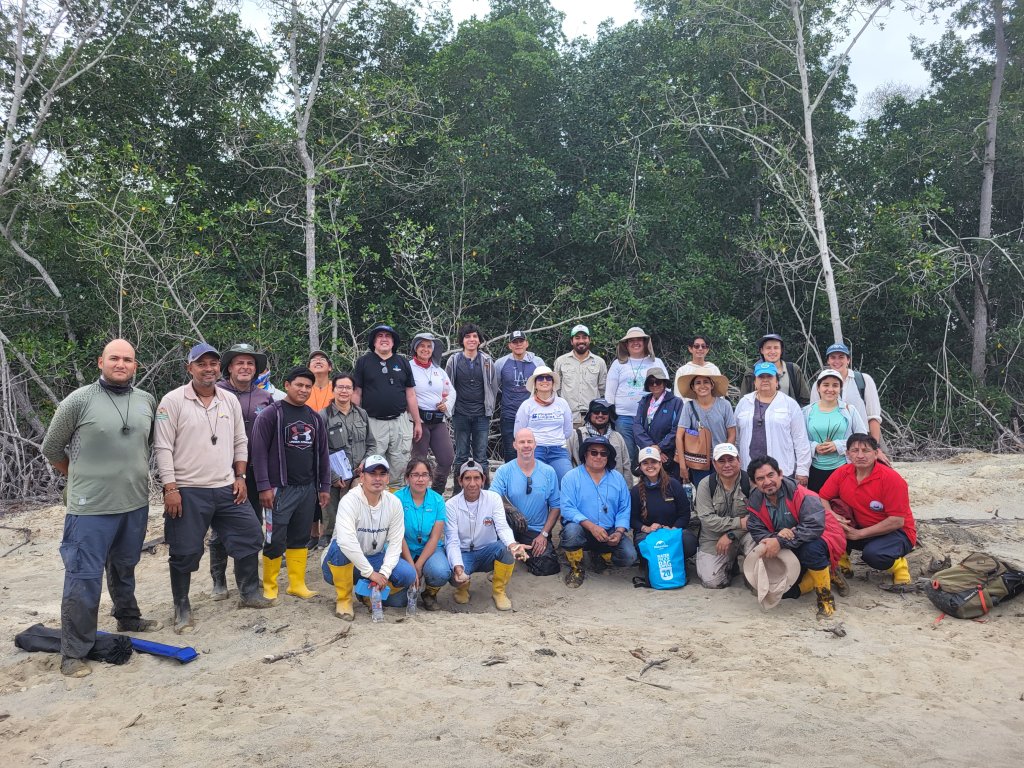
Location: Guayaquil, Ecuador Date: August 2023 Goal: Train participants in the CBEMR approach to enhance mangrove restoration efforts in Guayaquil…
- Read more about From Theory to Practice: Enhancing Restoration through CBEMR
From Theory to Practice: Enhancing Restoration through CBEMR
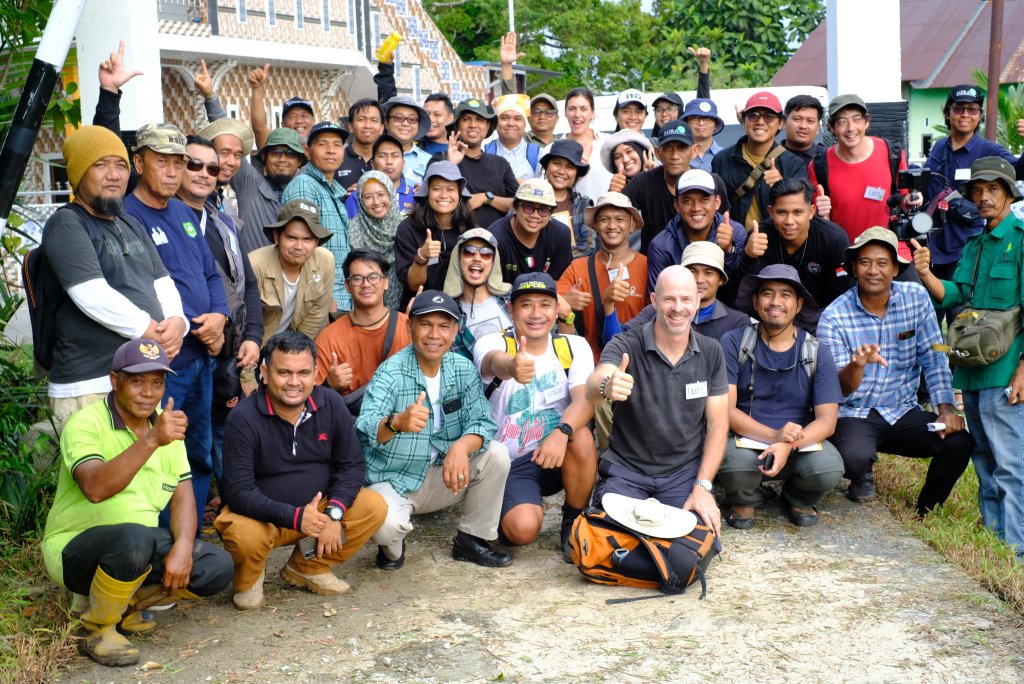
Location: Bengkalis Island, Indonesia Timeline: October 2023 Goal: The training aimed to enhance participants’ knowledge and skills in Community-Based Ecological…
- Read more about Restoring vital ecosystems in Kenya
Restoring vital ecosystems in Kenya
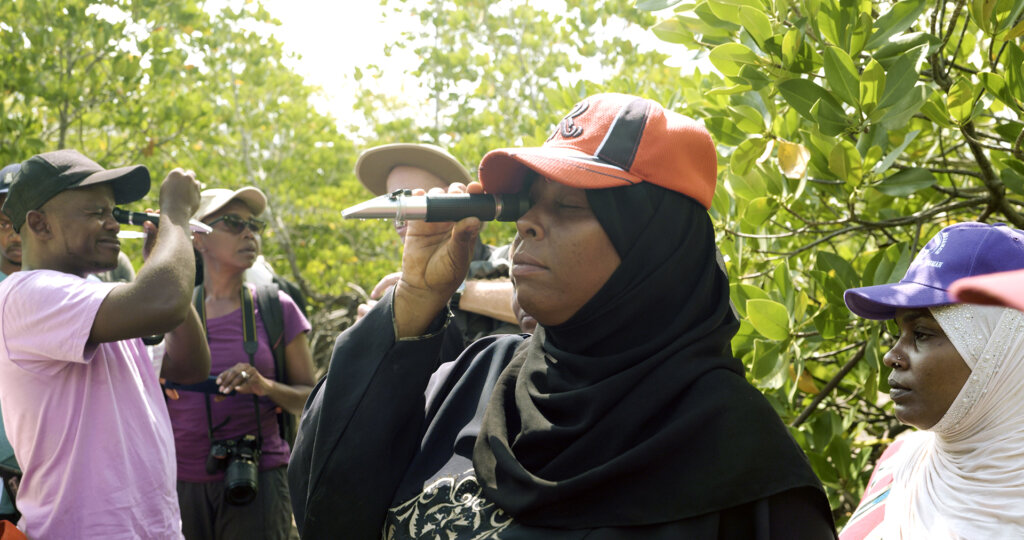
Location: Kenya Timeline: 28th Feb - 21st March 2022 Goal: To share the knowledge and tools for restoring mangroves: a vital…
- Read more about Delivering mangrove restoration best practices in the Bahamas
Delivering mangrove restoration best practices in the Bahamas
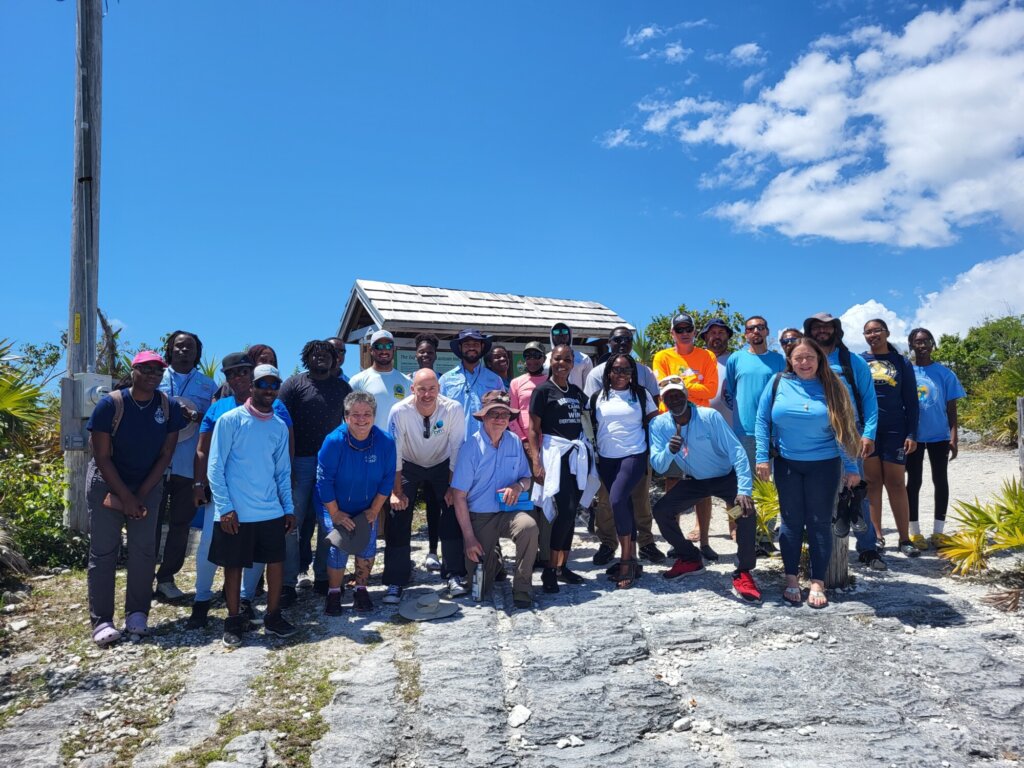
Location: Bahamas Timeline: March - April 2023 Goal: To support local mangroves restoration efforts and implement best practices for future…
- Read more about Fostering a sustainable network in Honduras
Fostering a sustainable network in Honduras
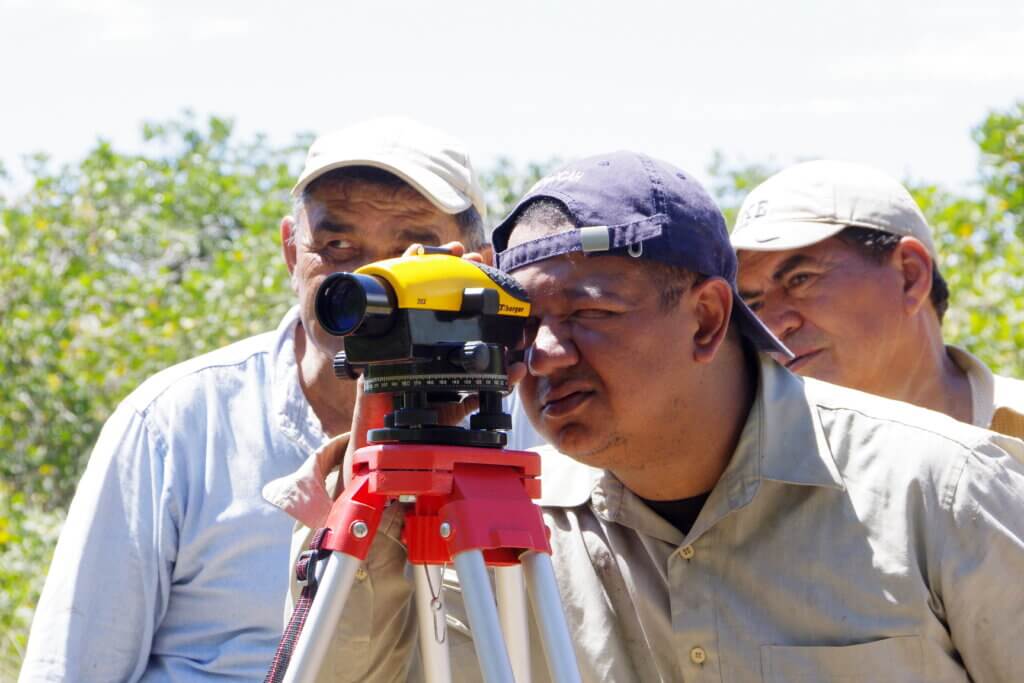
Location: Honduras Timeline: February 2015 Goal: To work collaboratively with local officials to persuade local villagers and village leaders to reduce…
- Read more about Empowering Communities for Mangrove Restoration
Empowering Communities for Mangrove Restoration
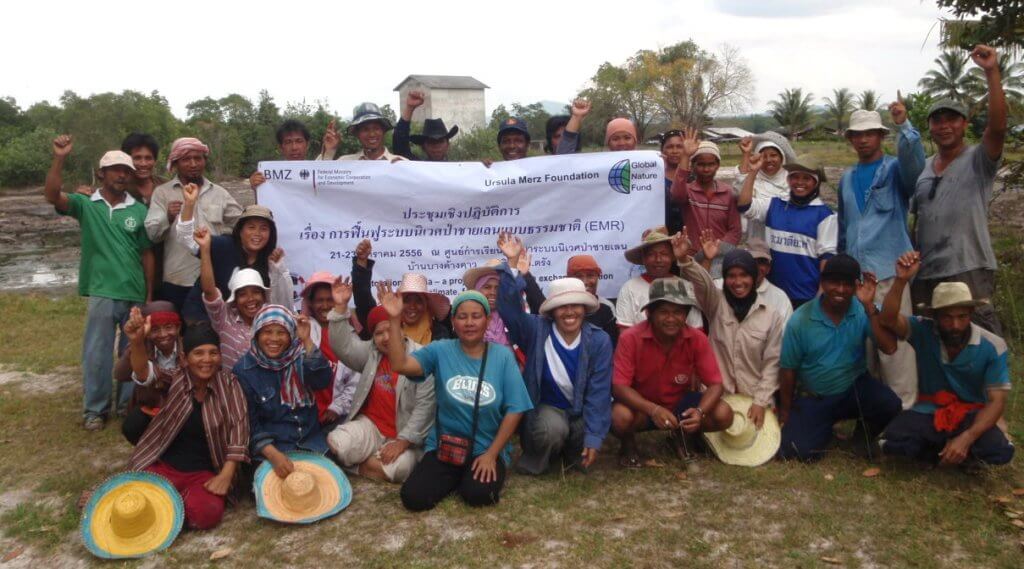
Location: Si Kao, Trang, Thailand Date: January 2013 Goal: Two local communities had a shared goal to convert and restore…
- Read more about Restoring Hope: CBEMR’s Role in Post-Hurricane Recovery
Restoring Hope: CBEMR’s Role in Post-Hurricane Recovery
Location: Bahamas Timeline: April 2022 Goal: The workshop aimed to enhance participants' skills and knowledge in mangrove management and restoration…