Training of Trainers Program in Belize
Location: Plazencia Village, Belize
Timeline: June 2025
Goal: Improve restoration skills, promote knowledge sharing, and build a supportive network to sustain ongoing and future mangrove initiatives, ensuring effective and lasting restoration outcomes.
Partners
WWF


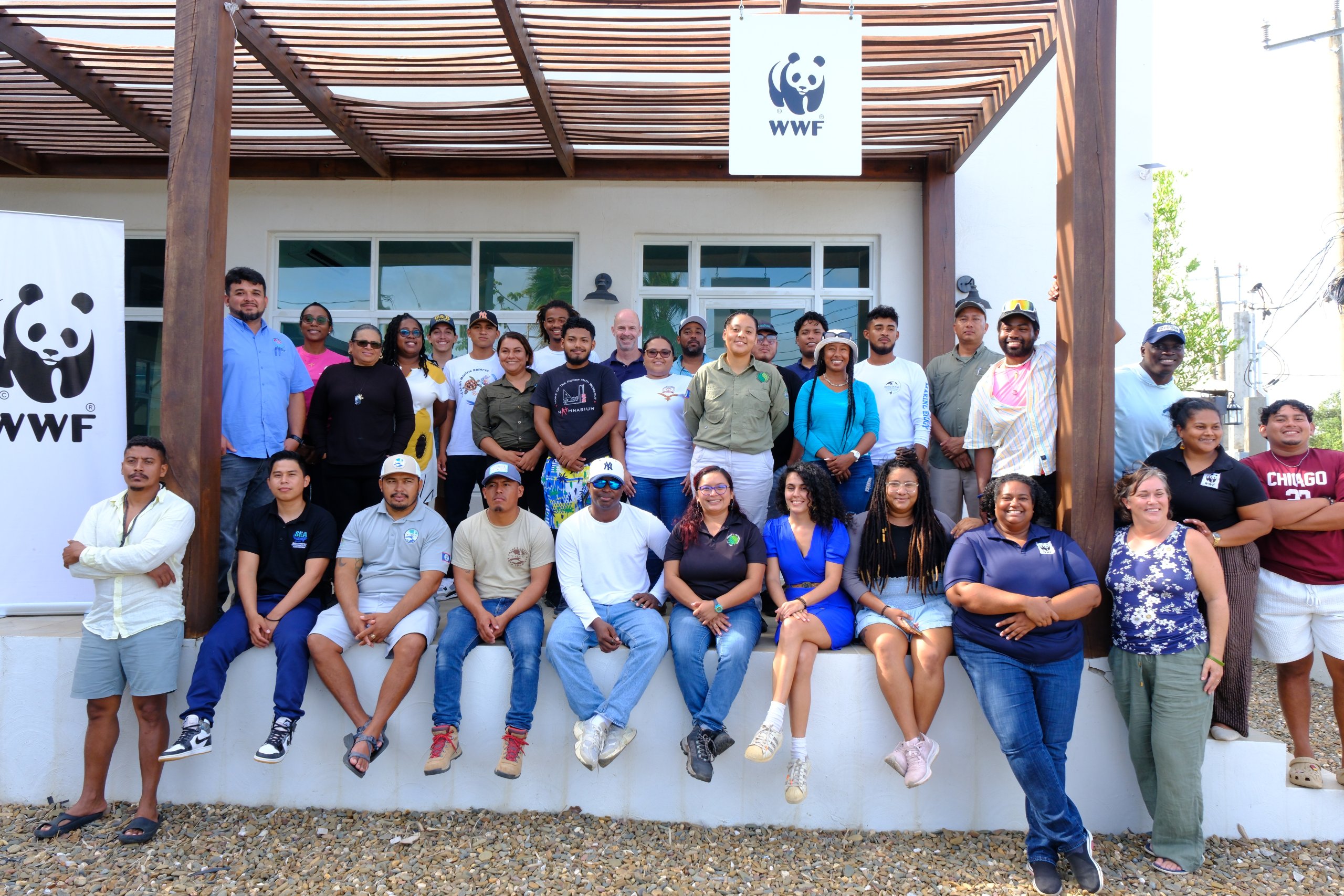
The training-of-trainers approach built a cross-sector network capable of scaling best-practice, climate-smart mangrove restoration across Belize

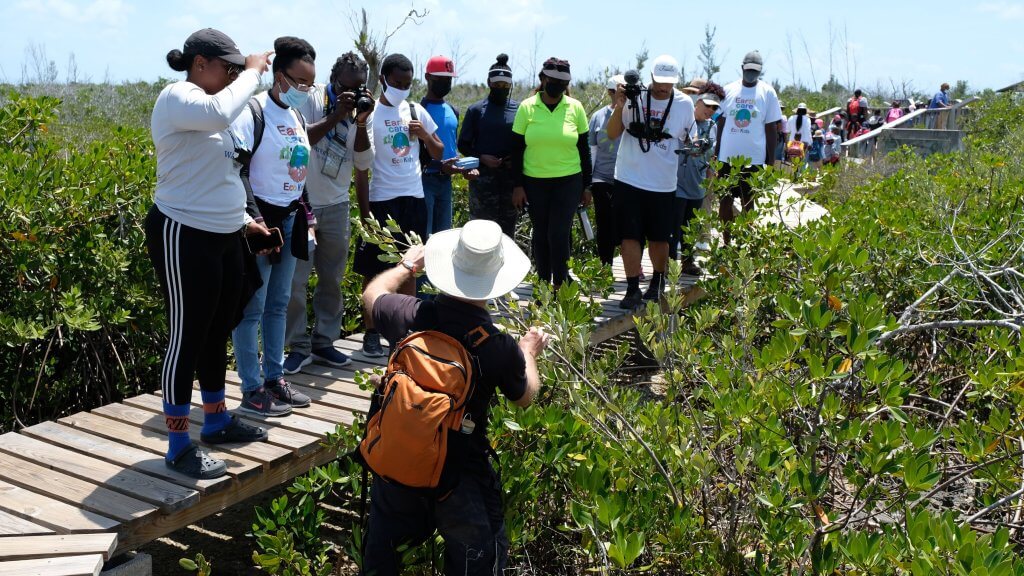
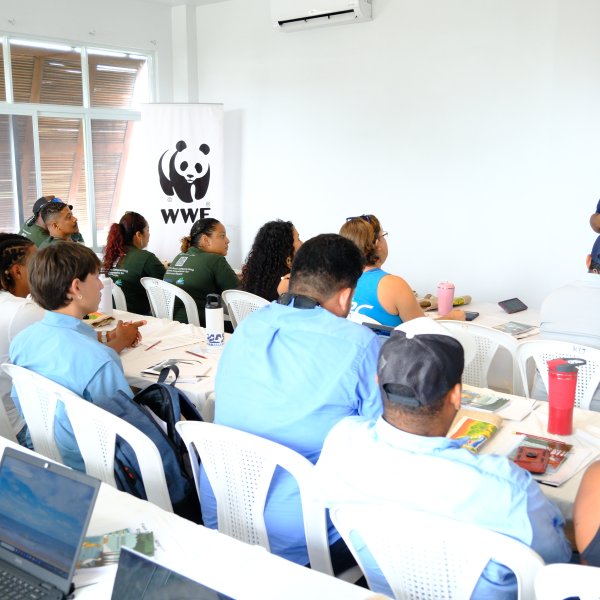
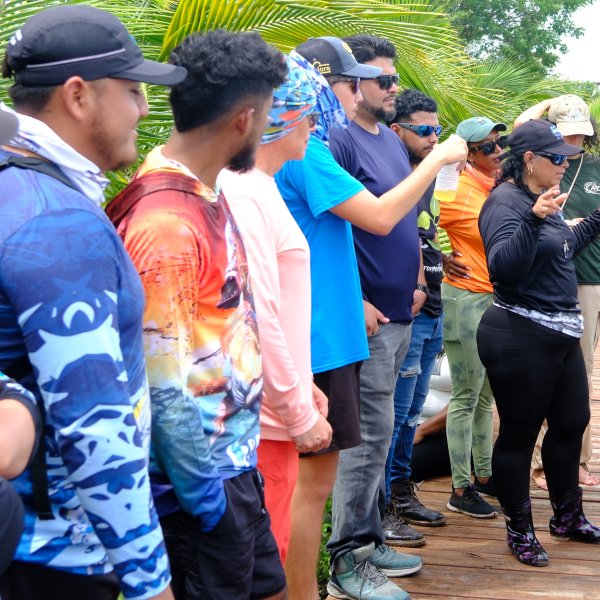
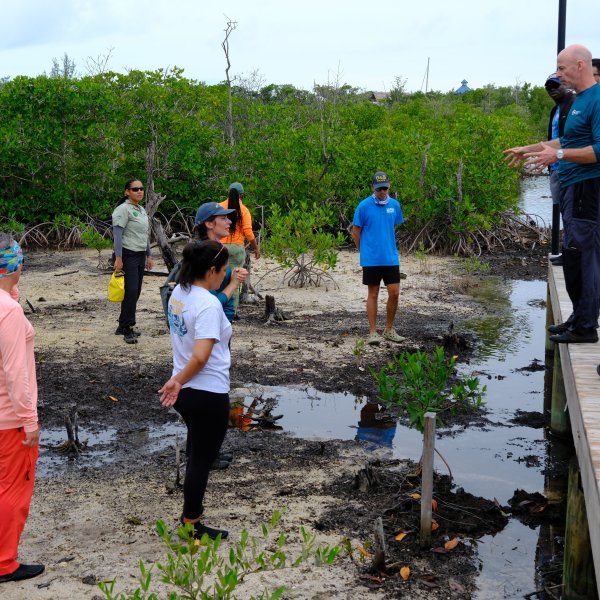
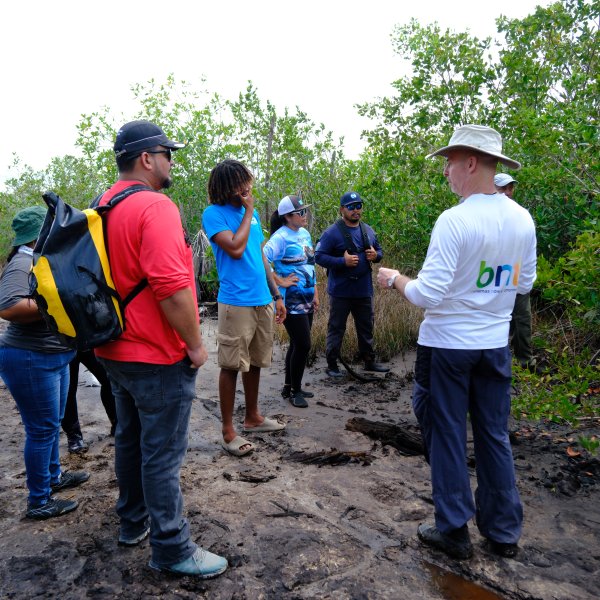
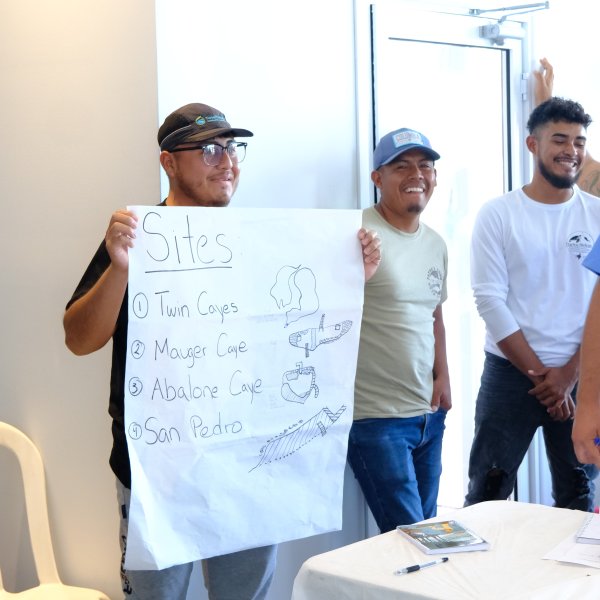
Extensive field-based learning across multiple coastal sites enabled participants to assess real restoration challenges and failures using CBEMR principles

In-depth CBEMR training integrated ecological, hydrological, and social planning to strengthen community-led mangrove restoration capacity
What we did
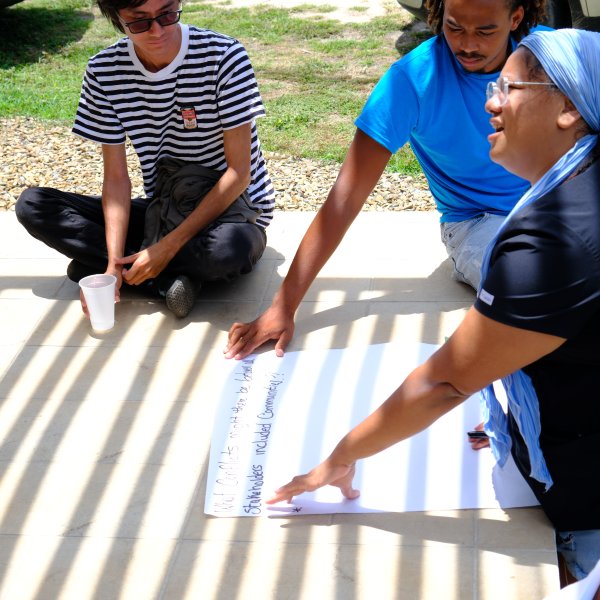
Participants applied CBEMR tools to evaluate site suitability, identify causes of restoration failure, measure environmental parameters, and assess social and governance constraints. Case studies from Florida and local Belizean projects highlighted successful hydrology-driven restoration without planting, while monitoring, mapping, and climate-smart decision-support tools reinforced long-term project planning and accountability. The workshop concluded with participants developing site-specific restoration plans and receiving certification in the field, demonstrating strengthened technical capacity, critical thinking, and readiness to support high-integrity, community-based mangrove restoration initiatives across Belize.
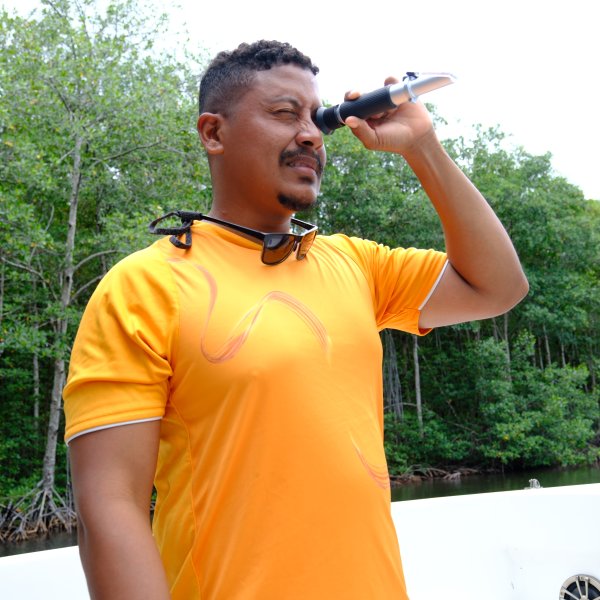
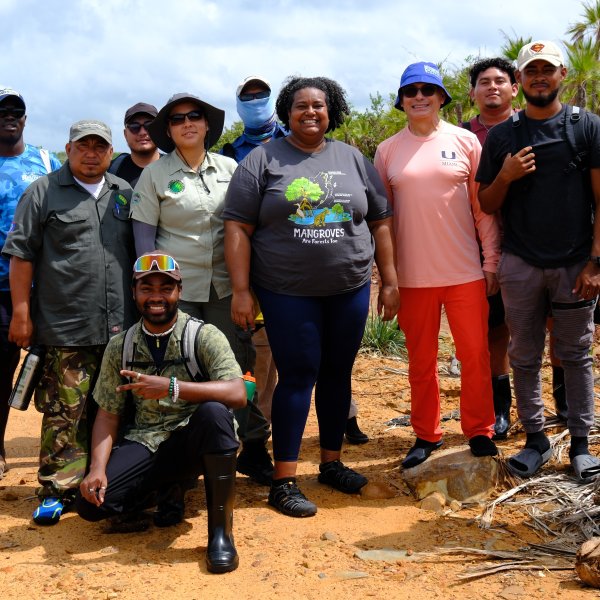
“Keep the network growing as we want to ensure we have these ecosystems for many more generations”
“The training was great over all. There are new views that I have now, when it comes to understand the idea of restoration. It's not just always about replanting”
Interested in working with us?
Get in touch with us at dominic@mangroveactionproject.org
Related work
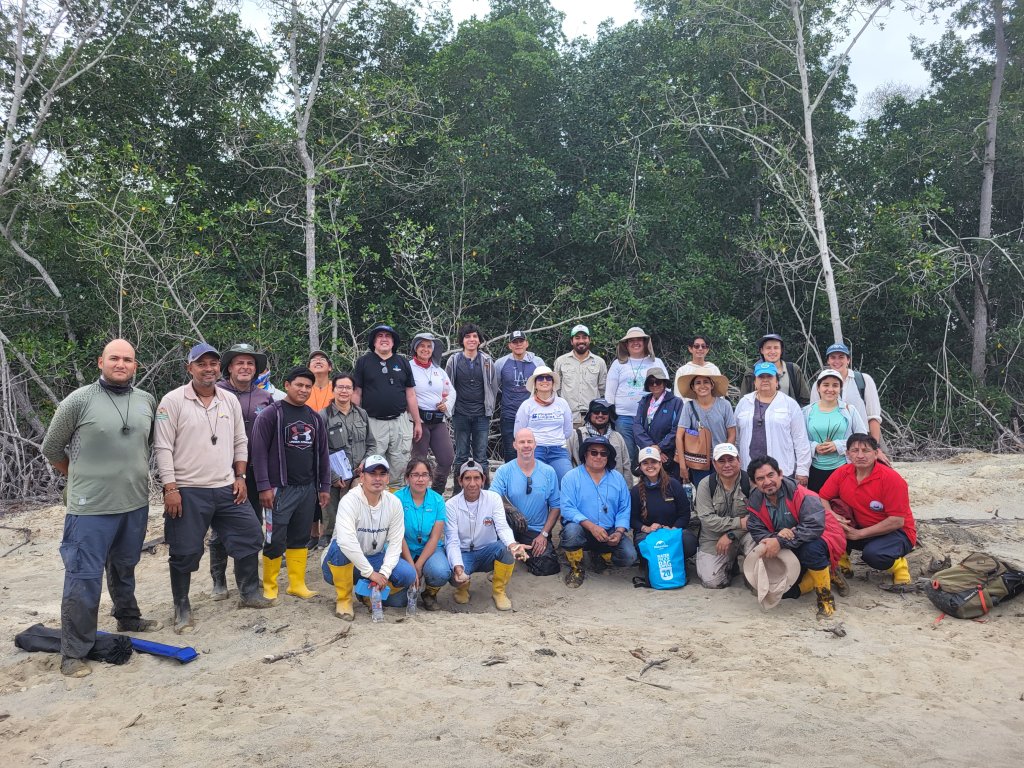
- Read more about Enhancing Community-Led Restoration in the Gulf of Guayaquil
Enhancing Community-Led Restoration in the Gulf of Guayaquil
Location: Guayaquil, Ecuador Date: August 2023 Goal: Train participants in the CBEMR approach to enhance mangrove restoration efforts in Guayaquil…
- Read more about From Theory to Practice: Enhancing Restoration through CBEMR
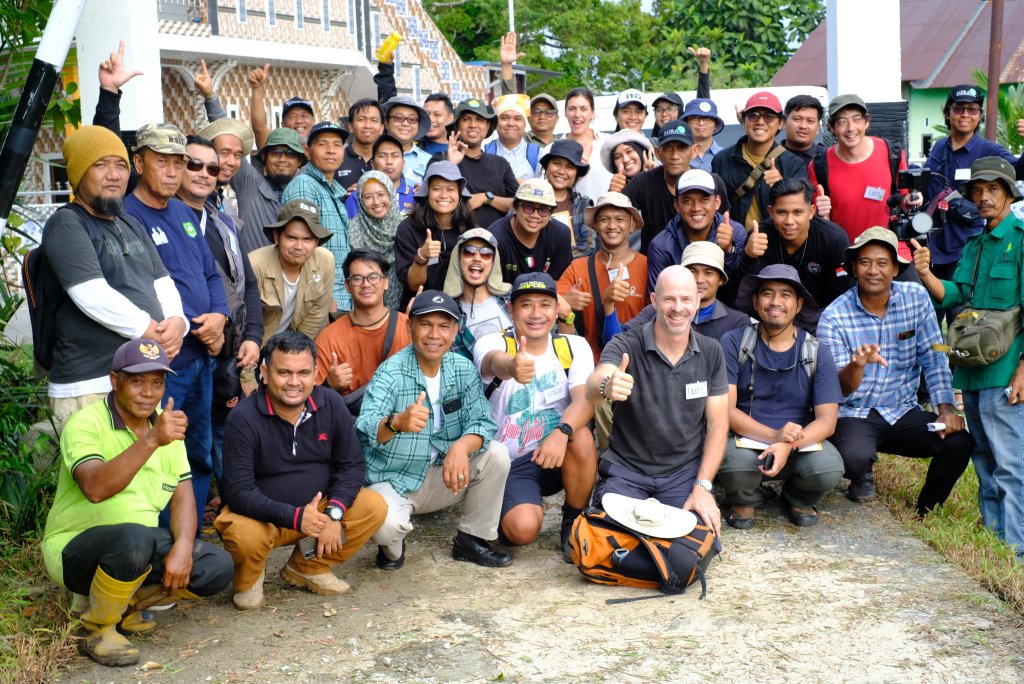
From Theory to Practice: Enhancing Restoration through CBEMR
Location: Bengkalis Island, Indonesia Timeline: October 2023 Goal: The training aimed to enhance participants’ knowledge and skills in Community-Based Ecological…
- Read more about Restoring vital ecosystems in Kenya
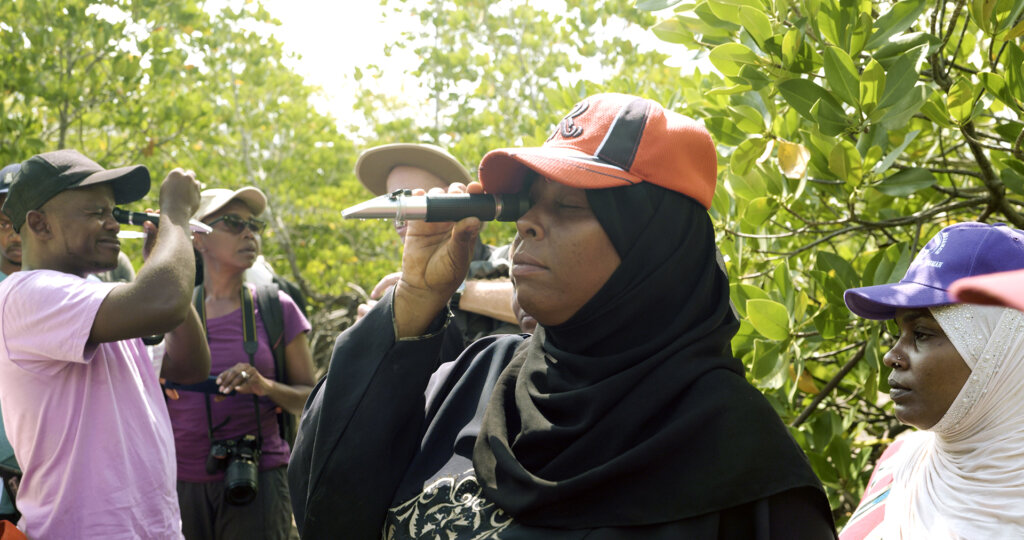
Restoring vital ecosystems in Kenya
Location: Kenya Timeline: 28th Feb - 21st March 2022 Goal: To share the knowledge and tools for restoring mangroves: a vital…
- Read more about Delivering mangrove restoration best practices in the Bahamas
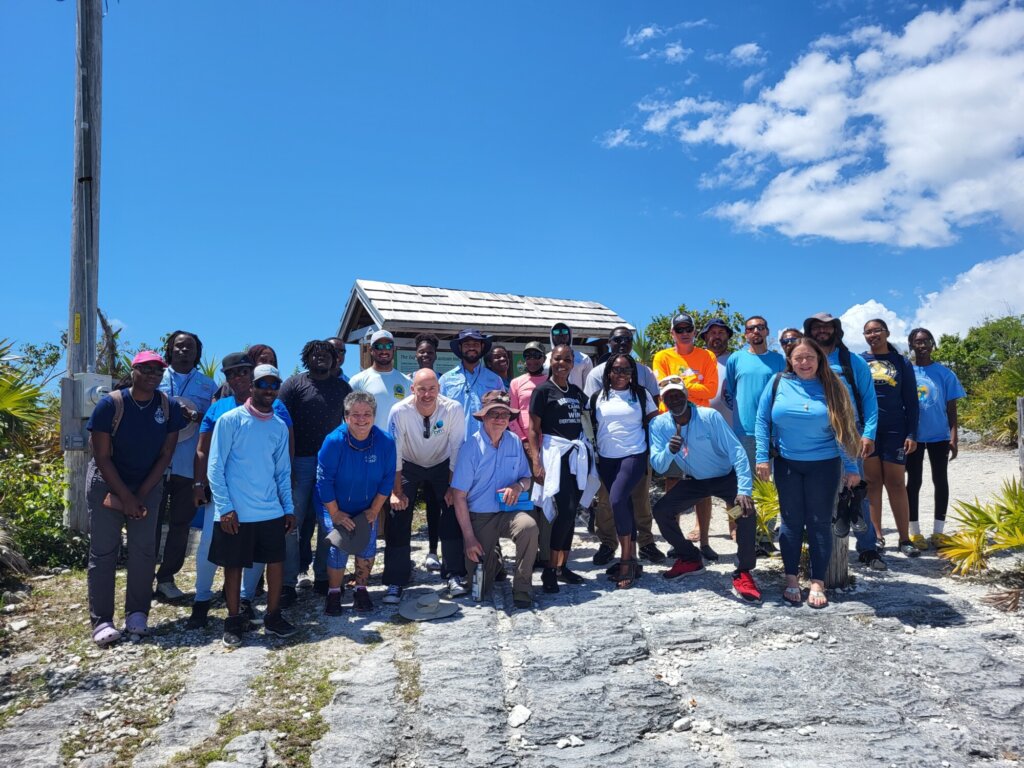
Delivering mangrove restoration best practices in the Bahamas
Location: Bahamas Timeline: March - April 2023 Goal: To support local mangroves restoration efforts and implement best practices for future…
- Read more about Fostering a sustainable network in Honduras
Fostering a sustainable network in Honduras
Location: Honduras Timeline: February 2015 Goal: To work collaboratively with local officials to persuade local villagers and village leaders to reduce…
- Read more about Empowering Communities for Mangrove Restoration
Empowering Communities for Mangrove Restoration
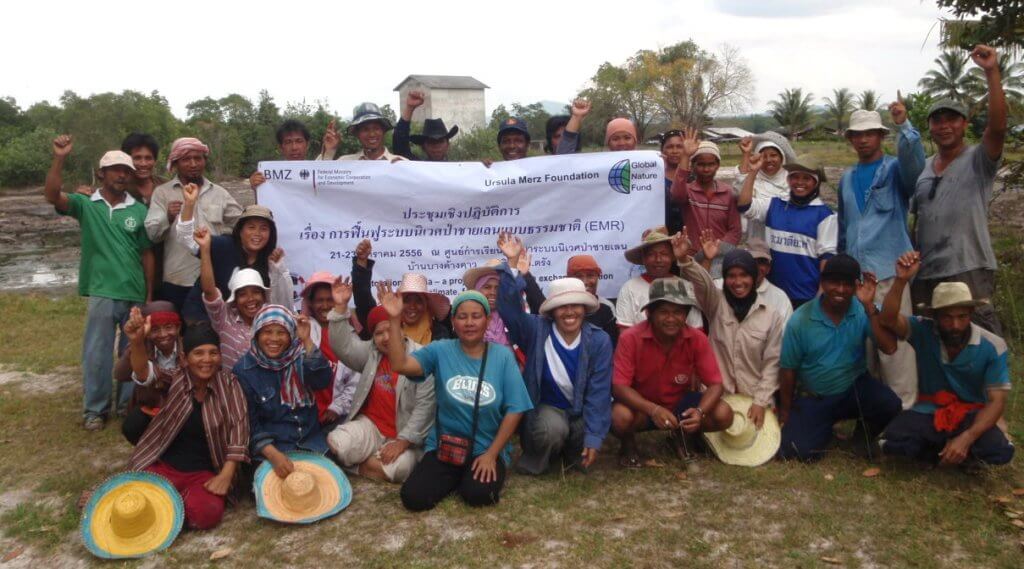
Location: Si Kao, Trang, Thailand Date: January 2013 Goal: Two local communities had a shared goal to convert and restore…
- Read more about Restoring Hope: CBEMR’s Role in Post-Hurricane Recovery
Restoring Hope: CBEMR’s Role in Post-Hurricane Recovery
Location: Bahamas Timeline: April 2022 Goal: The workshop aimed to enhance participants' skills and knowledge in mangrove management and restoration…