
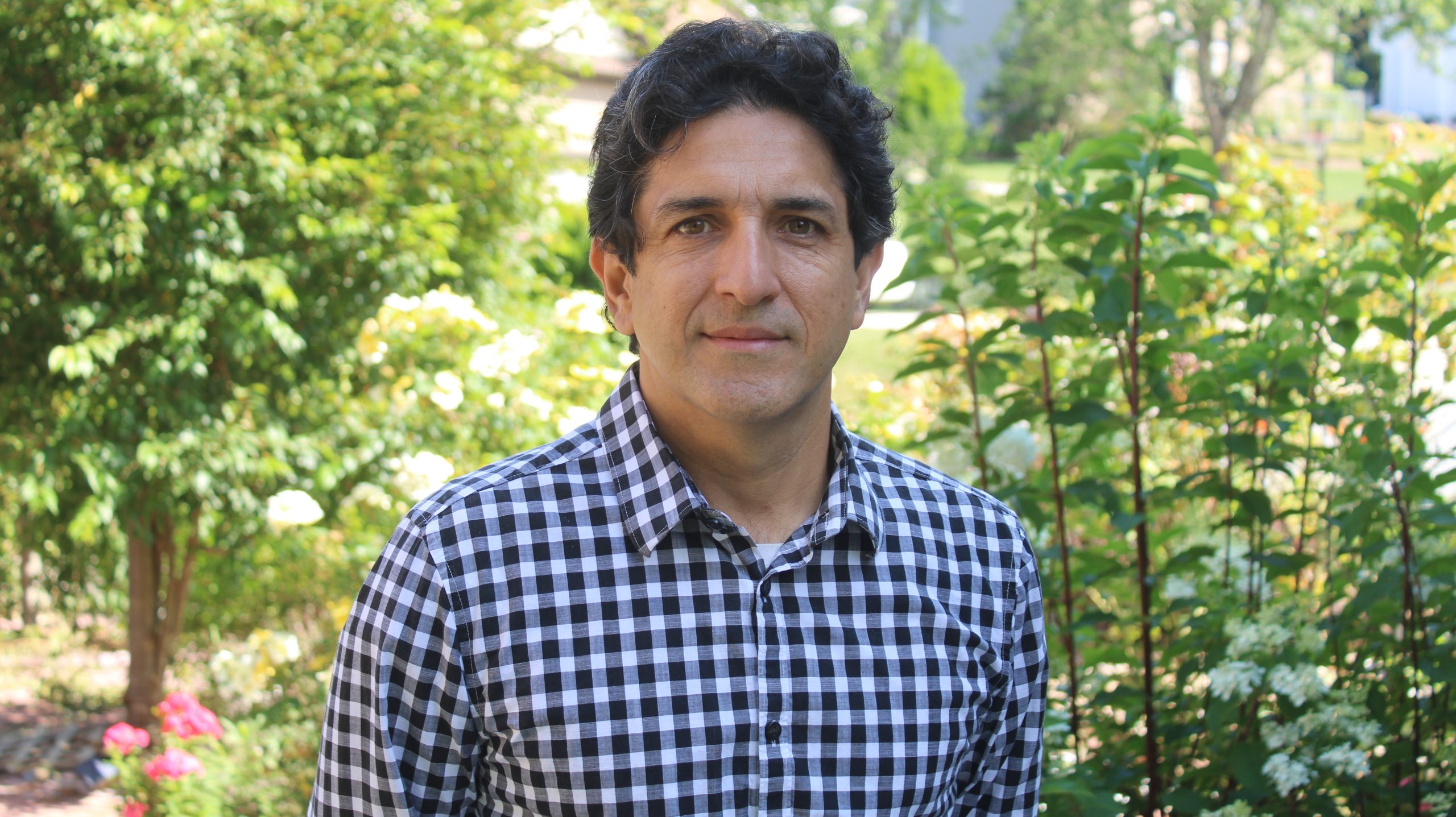
Mangrove Action Project appoints marine scientist Dr. Diego Gil-Agudelo as first CEO to lead its science-driven restoration mission
As the need for mangrove conservation and restoration increases worldwide, MAP names an experienced scientist and conservation professional to scale up meaningful conservation and restoration efforts that last, while continuing to train practitioners and communities in its field-proven CBEMR methodology.
Mangrove Action Project (MAP), the oldest community-led mangrove restoration organization, today announced the appointment of Dr. Diego Gil-Agudelo as its first Chief Executive Officer. A marine biologist and Fulbright Scholar with nearly 30 years of experience, Diego will lead MAP as it embarks on a new, ambitious plan for restoration and conservation at scale.
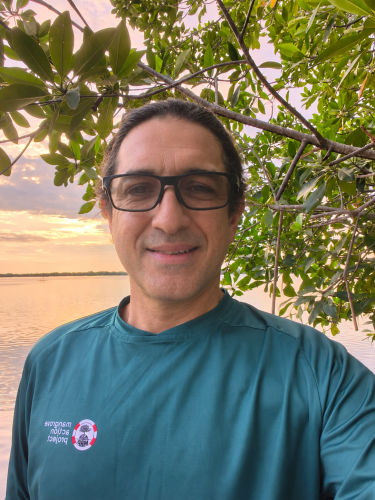
The appointment comes at a turning point for mangroves. Demand for Community-Based Ecological Mangrove Restoration (CBEMR), the science-led methodology at the heart of MAP’s work, has been rapidly growing as local communities and governments are increasingly aware of the ecological services these mangroves provide.
Through the Mangrove Breakthrough, governments, investors and conservation organizations have committed to conserve and restore more than 15 million hectares of mangroves by 2030. Planting alone will not save mangroves. Too often, restoration is measured by the number of seedlings planted rather than the ecosystem and socioeconomic impacts of forest recovery. MAP’s CBEMR methodology restores site condition first, including its hydrology and ecology, and puts communities in the lead. The appointment of a scientist and conservationist leader like Diego is a clear statement that MAP will continue this successful path.
MAP is committed to measuring the economic, societal, and environmental results of its work and sharing them with its worldwide partners, governments, and funders, so that every restoration investment can be evaluated on what it actually delivers for mangroves and the people who depend on them.
Why Diego joined MAP
“I have spent my career working at the intersection of science, coastal communities, and organizational leadership and administration. While working on Colombia’s Pacific coast, I saw the results of community empowerment when they were given the knowledge and tools they needed for the co-management of their natural resources: the forests recover and the benefits last. Unfortunately, I have also witnessed the other end of the spectrum: projects that looked impressive on paper but failed in execution and results because communities were not involved.
MAP has taken that lesson seriously. For more than three decades, it has insisted that restoration starts with the ecology and the active participation of people who live alongside these forests, and it has the record to prove the benefits of this approach. This commitment is rare, and it is exactly what this moment needs.
There is more urgency for the conservation and restoration of these ecosystems than ever, as climate change and the demand for natural resources increase. The question is what the best way is to conserve and recover mangroves while avoiding repeating old mistakes. I took this role because I believe MAP can bring solutions to mangroves worldwide by putting communities at the center of conservation and restoration initiatives, making sure that science leads, and increasing the knowledge and awareness of authorities by putting CBEMR in many more capable hands,” said Dr. Gil-Agudelo.
A scientist with field and leadership experience
A Fulbright Scholar with a PhD in Marine Sciences from the University of South Carolina, Diego led the Conservation Biology program at INVEMAR, Colombia’s national marine research institute, where his work with communities to co-manage the mangroves of Colombia’s Pacific coast earned him the Alejandro Ángel Escobar Award, one of the country’s highest conservation honors. He has since led research and conservation programs at ECOPETROL, Texas A&M University at Galveston, LightHawk, SERVIR (a NASA-USAID partnership), and the Hispanic Access Foundation. He has published dozens of scientific papers and works in English and Spanish.
Looking ahead
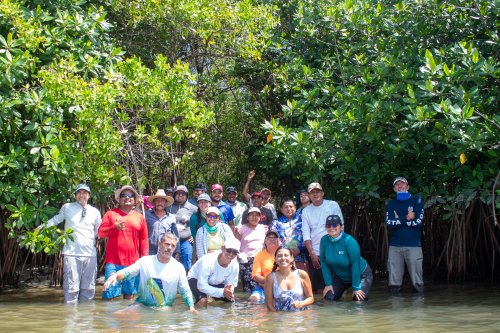
Diego will spend his first months listening and learning, beginning in the field with MAP’s trainers in Mexico, where the team is running a series of community restoration workshops, and then with communities, partners, and funders across MAP’s network. Long-serving Director of Programs Dr. Dominic Wodehouse continues to lead MAP’s training and fieldwork.
Early conversations with the board and team point to several areas of opportunity that Diego will explore as he shapes MAP’s next chapter, including:
- Grow with discipline. Expanding work where it most serves the mission, and measuring success by what it delivers for mangroves and the people who depend on them.
- Keep communities at the center. Deepening support for communities so local priorities and stewardship stay at the heart of both conservation and restoration.
- Increase MAP’s influence on policy and practice. Strengthening relationships with partners, governments and communities so mangroves are shaped by what works.
- Deliver outcomes grounded in science. Turning evidence on best practice into guidance that helps managers, decision-makers and communities.
From the President of MAP’s Board
“Across my career in ocean science, law, and policy, I have watched good intentions outrun good evidence time and again. Mangrove restoration is at real risk of doing the same, in an effort to scale as quickly as possible,” said Dr. Heidi Weiskel, President of MAP’s Board of Directors and a marine ecologist formerly with IUCN’s Global Ocean Team. “MAP has spent more than thirty years showing what works in the field, alongside the coastal communities who depend on these forests, and Diego understands this work firsthand. The Board is delighted by his inclusive and ambitious vision and thrilled that he has come to MAP. Diego is the right leader to make sure that, as restoration grows, the science leads, and MAP will be at the front.”