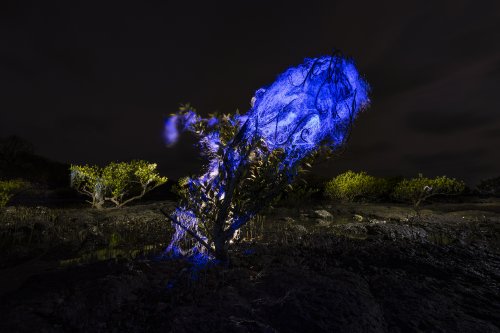
Gaurav Patil’s photograph taken from the shore of Nandgaon village, south of Mumbai, shows a discarded fishing net glowing under ultraviolet light as it lies tangled in the mangrove roots. It is the winner of Mangrove Photographer of the Year 2026 in the 2026 Mangrove Photography Awards.
Known as “ghost gear,” lost or abandoned fishing nets can drift with ocean currents before getting caught in mangroves. These nets turn mangrove forests into hidden collection points for marine waste.
Patil had watched ghost nets become trapped in mangroves for years and wanted to bring attention to the problem in a creative way. His striking photograph reminds us that protecting mangroves means not only restoring damaged forests, but also reducing the threats that put these vital ecosystems at risk.
Where in the World is MAP
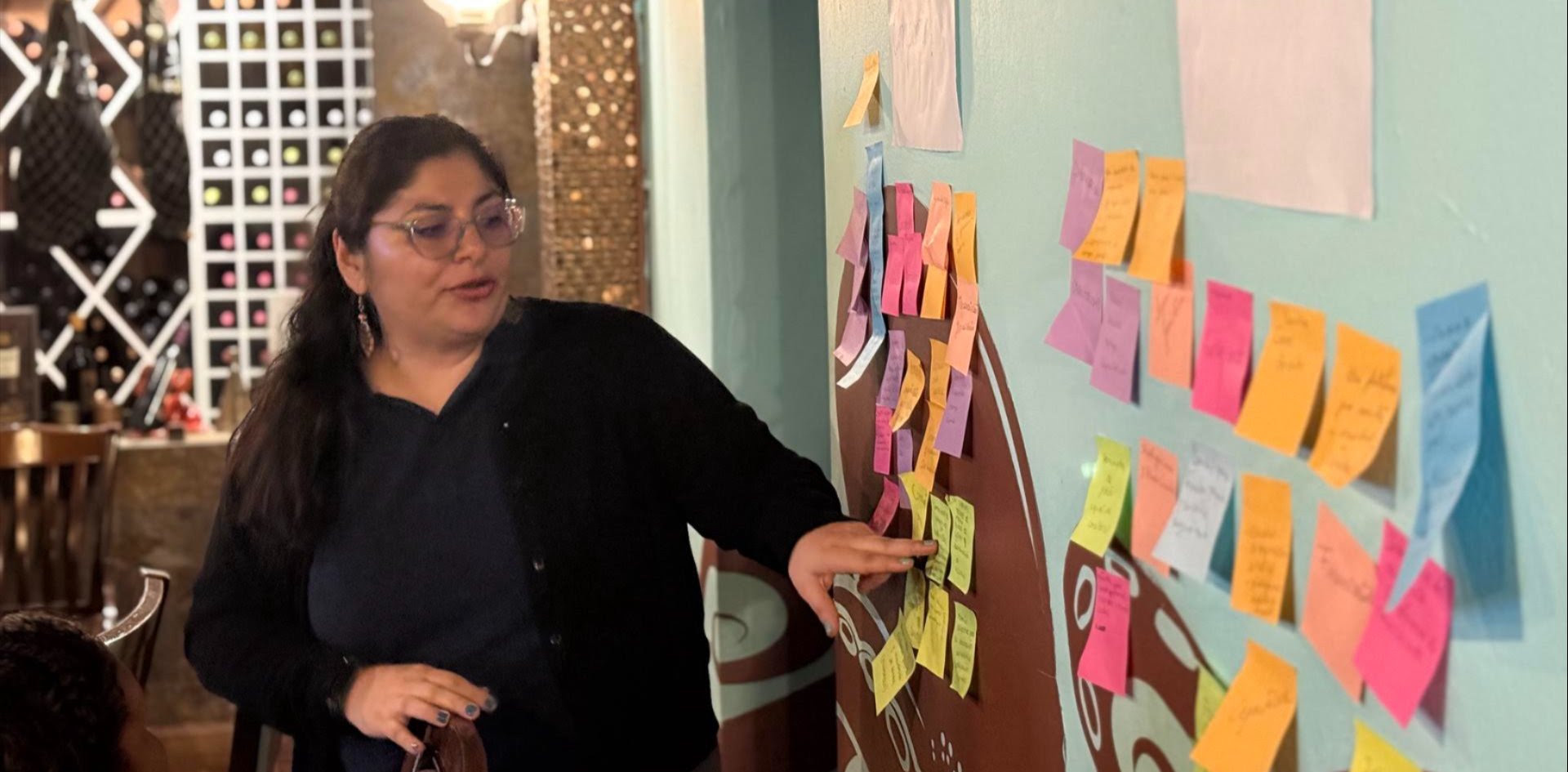
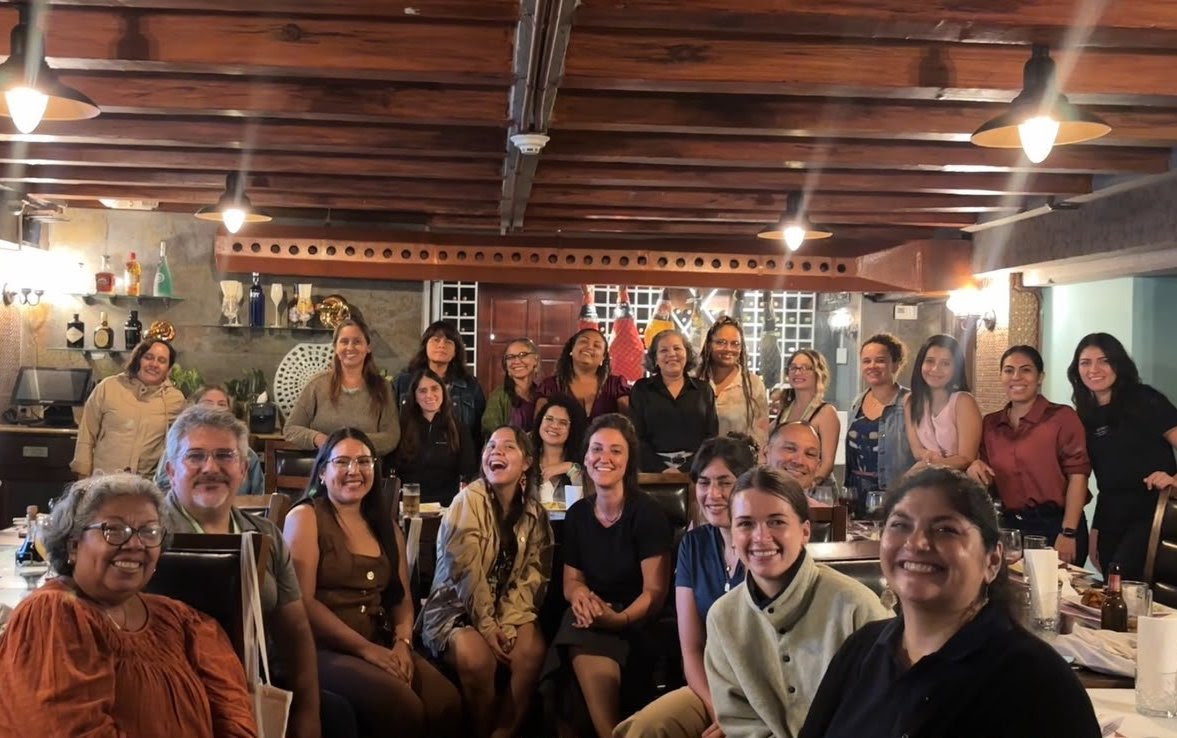
While in Panama for the Congress of Mangroves of the Americas, Diana, Laura, and Ali brought together 28 women from 19 organizations for the first meeting of our new Latin American network, Red de Mujeres Por Los Manglares de Latinoamerica. The gathering gave women working in multiple fields a chance to meet and shape the network’s vision.
Together, participants developed a mission and goals centered on strengthening women’s leadership, sharing knowledge, and connecting women across Latin America. The network also aims to highlight the important role women play in mangrove conservation and restoration, and strengthen their voices.
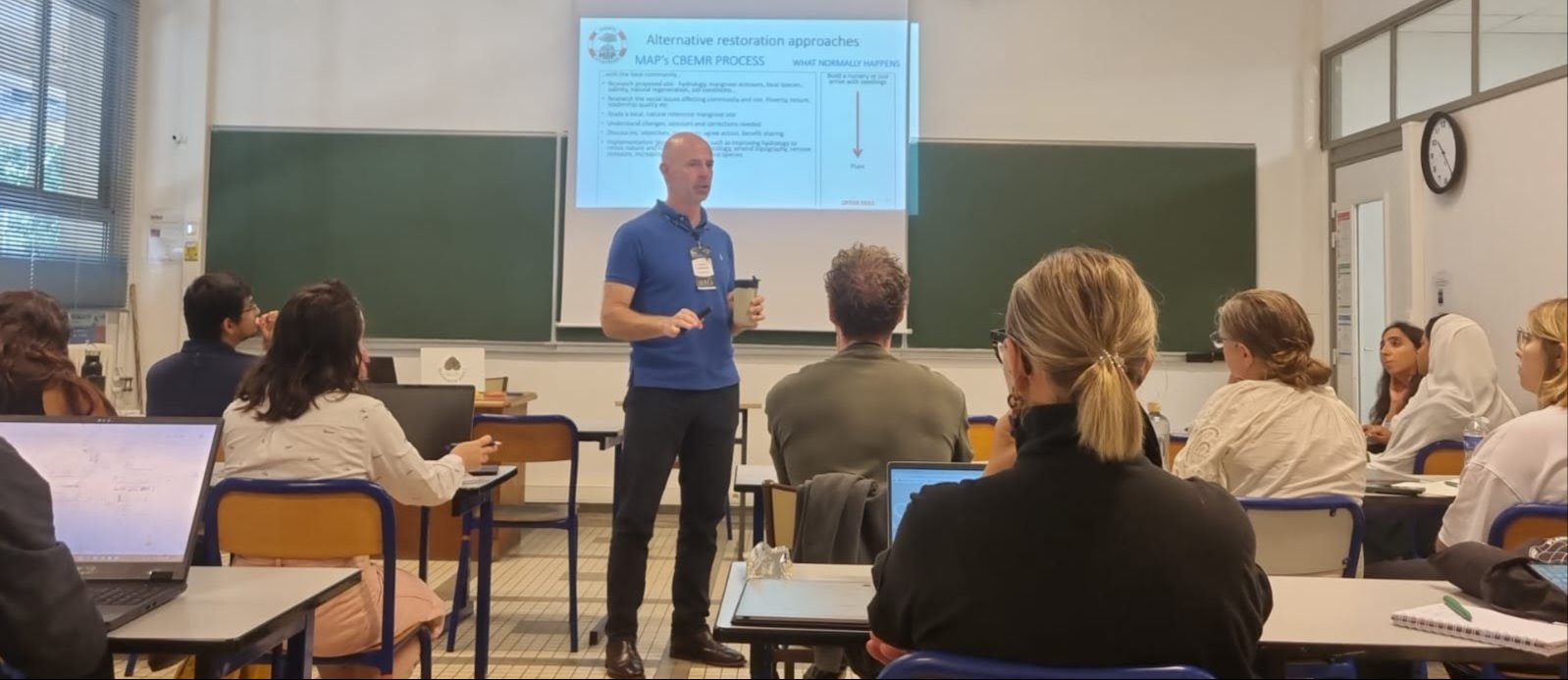
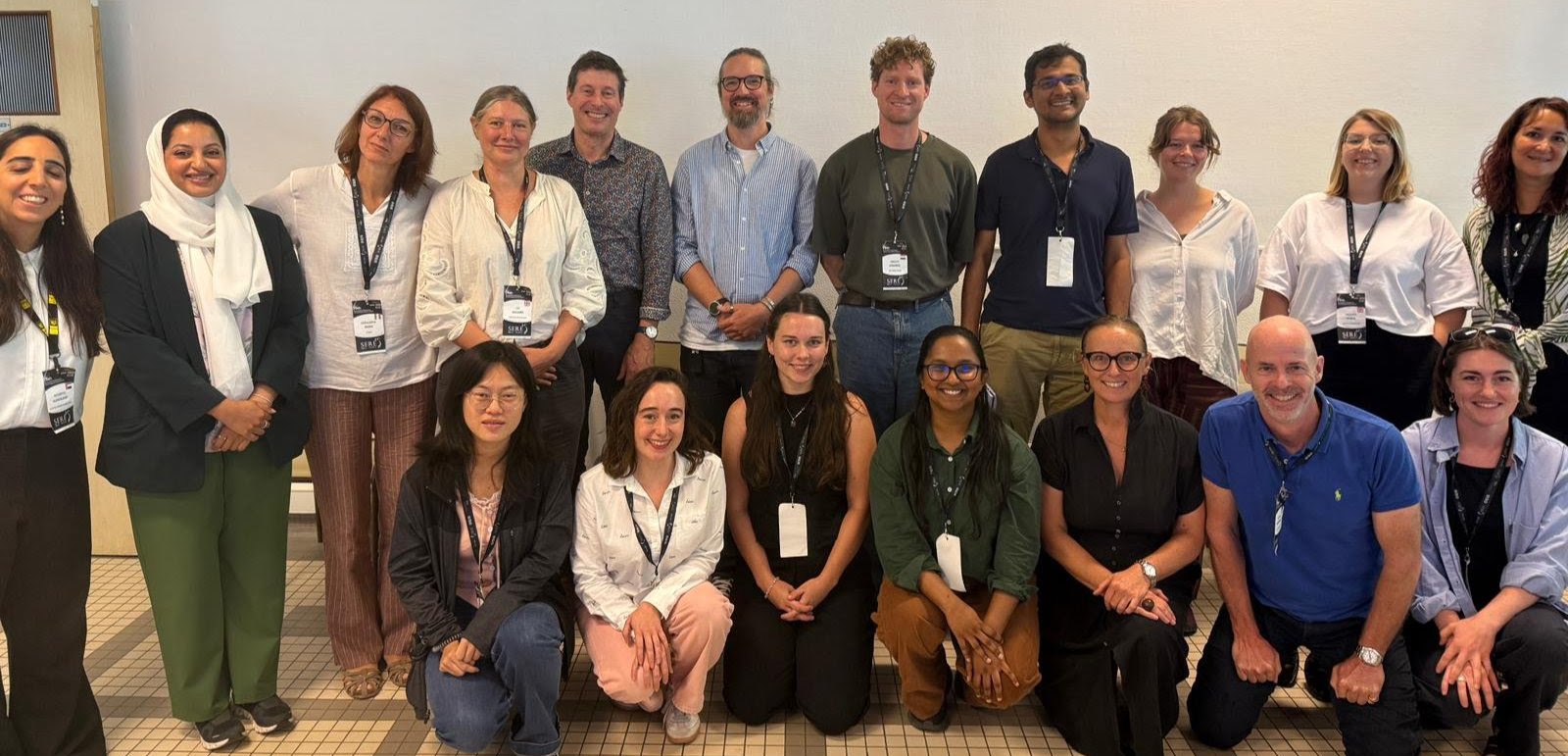
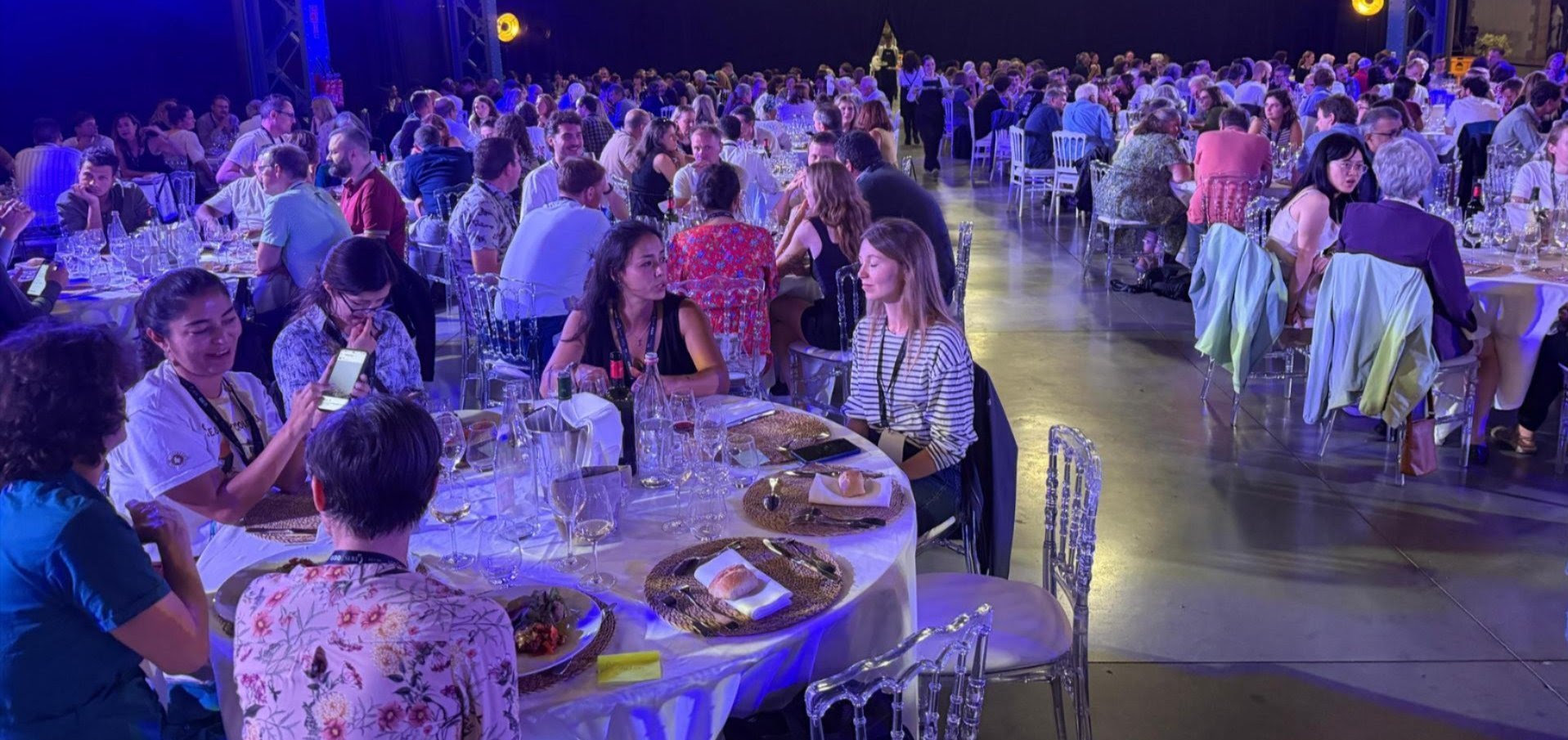
MAP is on the move! Dominic is currently in Brest, France, attending the Society for Ecological Restorationconference, where he is leading a half-day session on Community-Based Ecological Mangrove Restoration.
The Films Are Here!
Last year the MAP team traveled to Indonesia, to partner with Planète Urgence and support professionals working on mangrove restoration in Southeast Asia and Africa. The training focused on practical, science-based approaches to restoration including monitoring, nursery management, and community engagement.
The training has the potential to support restoration across 1,300+ hectares of mangroves, with lessons already being applied across three countries.
Our amazing filmmaker, Leo, joined us on the trip and captured two stories about Community-Based Ecological Mangrove Restoration (CBEMR) and its impact.
We’re excited to finally share these stories with you! Click the links below.
Through CBEMR, MAP helps communities and organizations ask better questions, make better decisions, and achieve lasting results.
Absdullah, an aquaculture pond owner, is rethinking his relationship with mangroves. He’s now applying CBEMR techniques to help mangroves thrive.
Favorite Fuzzy Friend From the Field!
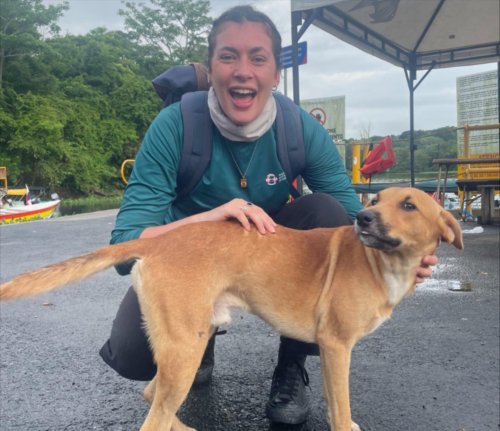
On the MAP team’s final day in Panama, they took a field trip to Barro Colorado, an island in the Panama Canal, and home to the world’s oldest tropical biology research station. They met this extremely friendly dock assistant, who was more than happy to soak up some pets from Laura!
Fun Fact! During our visit to Barro Colorado Island in Panama, our guide shared an amazing piece of mangrove history. Scientists found fossilized mangrove wood more than 20 million years old on the island! The fossil came from a plant closely related to Sonneratia, a type of mangrove that today only grows in Southeast Asia.
This discovery shows that mangroves related to Sonneratia once grew in the Americas. How cool is that? Mangroves have been part of this landscape for millions of years!
Rooting for the Planet This Giving Tuesday!
Mangroves are nature’s superheroes – fighting climate change, protecting coastlines, and supporting communities.
This Giving Tuesday, we’re Rooting for the Planet by restoring vital mangrove forests worldwide.
Join us in making a lasting impact. Your support helps protect wildlife, empower coastal communities, and ensure a sustainable future for generations to come.